NCLT sets up special bench to review Subhash Chandra repayment plan
Source Entity
Latest News: Todays Latest News Headlines from India & World | Hindustan Times | Hindustan Times
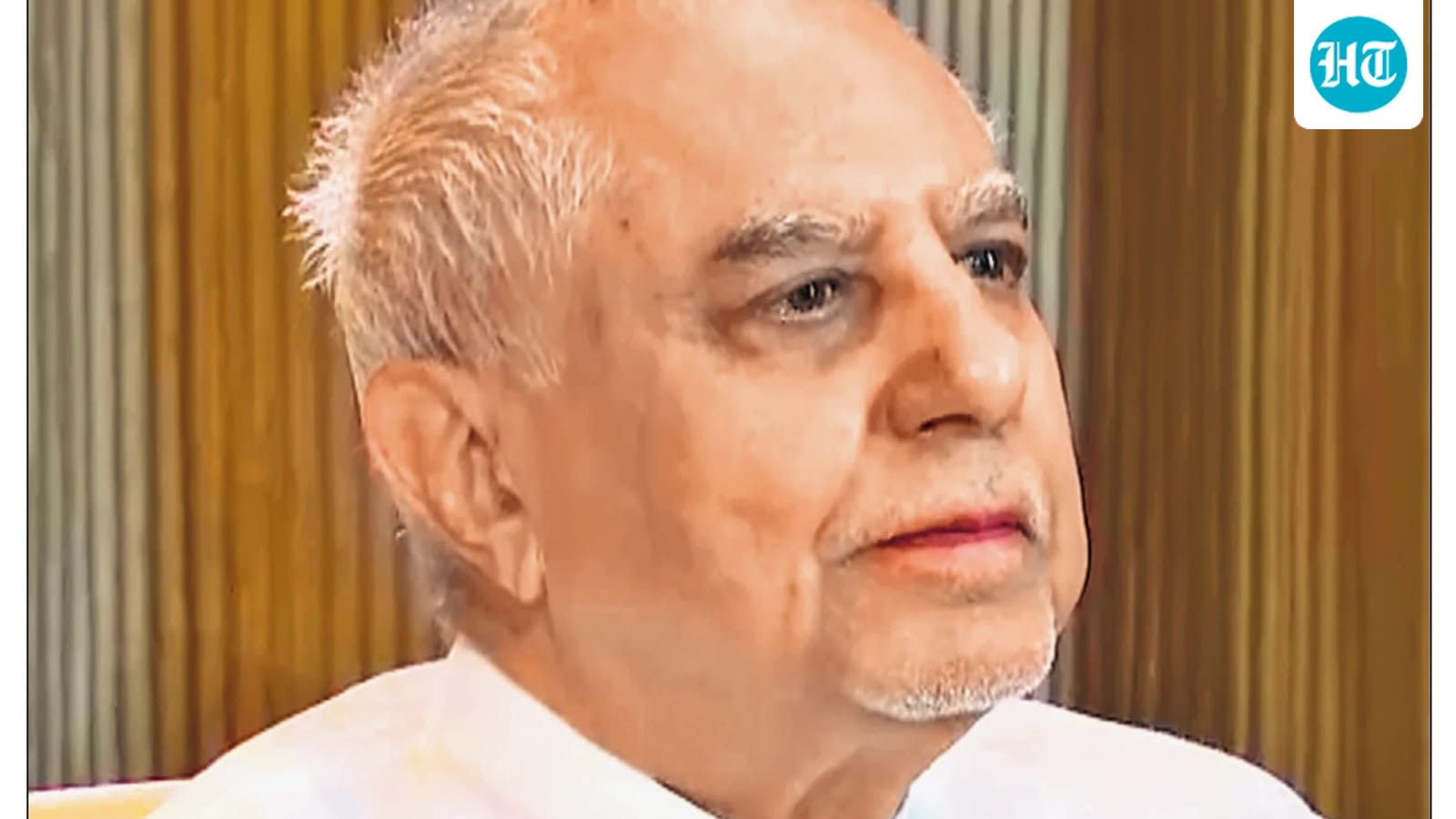
The NCLT has established its first-ever five-member bench to resolve the personal insolvency case of Essel Group founder Subhash Chandra. This unprecedented move follows a deadlock in a previous division bench regarding a ₹6.5 crore repayment offer against total claims exceeding ₹22,000 crore.
Unprecedented Legal Intervention in NCLT
The National Company Law Tribunal (NCLT) has reached a historic inflection point in Indian corporate insolvency law by constituting its first-ever five-member special bench. This extraordinary measure was triggered by a deadlock within a division bench regarding the personal insolvency case of Subhash Chandra, the founder of the Essel Group. The formation of this bench, led by NCLT President Justice Anupinder Singh Grewal, signals the tribunal's intent to break a persistent impasse in a matter involving substantial financial stakes.
The Core Conflict and Financial Scale
At the center of this legal battle is a gargantuan claim exceeding ₹22,000 crore filed by creditors, most notably Indiabulls Housing Finance. The proceedings stem from Subhash Chandra’s role as a personal guarantor for loans availed by various entities linked to the Essel and Zee groups. Chandra has maintained a defense centered on the distinction between corporate liability and personal obligation, arguing that he provided personal guarantees rather than acting as a direct personal borrower. This nuance has become a focal point for the tribunal as it evaluates the viability of his proposed ₹6.5 crore repayment plan.
Procedural Deadlock and Judicial Referral
Before the formation of this special bench, the matter had undergone rigorous scrutiny. A previous division bench, including a referral to a third judge, failed to produce a majority verdict on the adequacy of the proposed repayment. Consequently, under Section 419(5) of the Companies Act, 2013, the matter was referred to the NCLT President for fresh adjudication. The inability of the prior bench to reach a consensus highlights the complex intersection of personal insolvency laws and the rights of creditors in high-value corporate defaults.
Composition of the Special Bench
To ensure a definitive resolution, the newly constituted five-member bench includes a robust mix of judicial and technical expertise. Alongside President Justice Anupinder Singh Grewal, the bench comprises judicial members Bachu Venkat Balaram Das and Mahendra Khandelwal, and technical members Atul Chaturvedi and Ravindra Chaturvedi. This high-level assembly underscores the gravity of the case, as the tribunal seeks to establish a clear precedent for how personal guarantees are treated in massive insolvency scenarios.
Broader Implications for Corporate Governance
This case serves as a litmus test for the effectiveness of India's personal insolvency framework. The vast disparity between the ₹22,000 crore claims and the ₹6.5 crore settlement offer has drawn intense scrutiny from lenders and legal observers alike. The outcome of these proceedings will likely influence how future personal insolvency cases are handled, particularly concerning the transparency and fairness of repayment plans offered by promoters of large business conglomerates.
Future Outlook
As the five-member bench prepares for its inaugural hearing, the eyes of the financial sector remain fixed on the NCLT. Whether the tribunal chooses to accept, reject, or mandate revisions to the repayment plan will set a significant legal benchmark. This case not only tests the resilience of the Insolvency and Bankruptcy Code (IBC) but also defines the boundaries of personal liability for corporate guarantors, potentially reshaping the landscape of corporate credit and risk management in India.
Verification Required?