Ties under strain in Pune: NCP accuses BJP of giving it the cold-shoulder
Source Entity
The Indian Express
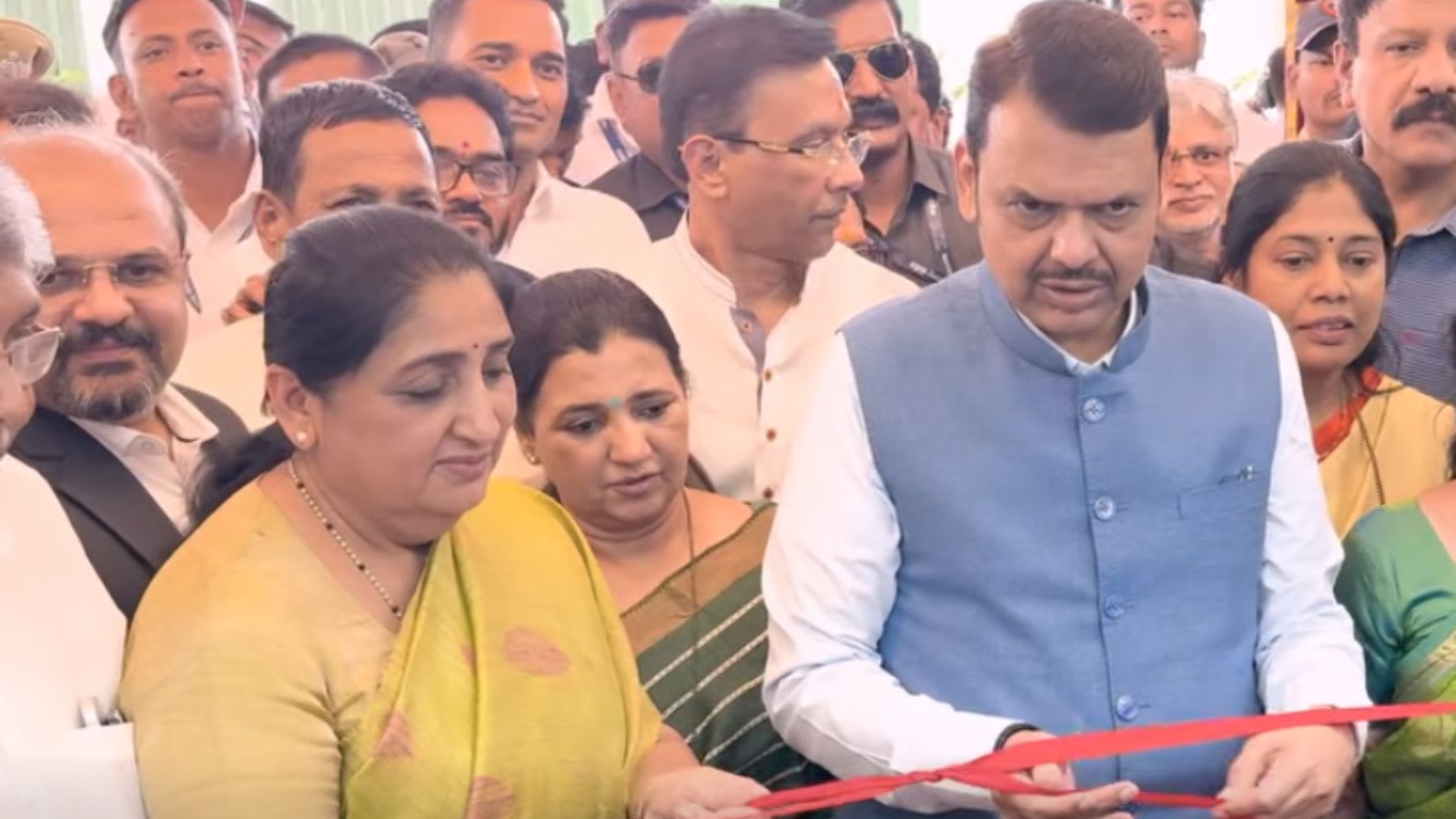
Political tensions have flared in Pune as the Nationalist Congress Party (NCP) accuses the Bharatiya Janata Party (BJP) of marginalizing them at public events, despite their alliance at the state and national levels.
Local Friction in a National Alliance: The NCP-BJP Strain in Pune
The political landscape in Pune is currently witnessing a significant surge in tension between the Nationalist Congress Party (NCP) and the Bharatiya Janata Party (BJP). Despite being strategic partners in an alliance at both the state and national levels, the relationship has frayed locally. The NCP has explicitly accused the BJP of "giving it the cold-shoulder," specifically citing instances where NCP leaders were ignored or sidelined during high-profile public events. This friction highlights a common paradox in coalition politics: while high-level leadership may agree on a broad strategic direction, local cadres often struggle with power-sharing and visibility.
The Symbolic Importance of Public Visibility
In the context of Indian regional politics, public events are not merely ceremonial; they are critical instruments of political communication. For a party like the NCP, being visible on stage alongside BJP leadership serves as a public validation of their status as equal partners in the alliance. When the BJP is perceived as ignoring its partner at these venues, it is interpreted not just as a social slight, but as a calculated political move to diminish the NCP's influence among the local electorate. This "cold-shoulder" approach suggests a struggle for dominance in the Pune region, where both parties are vying for the same urban and semi-urban voter bases.
National Strategy vs. Local Rivalry
This conflict underscores the inherent instability of the current political arrangement in Maharashtra. While the state-level alliance is designed to consolidate votes against a common opponent, the local dynamics in Pune reveal a deeper rivalry. The BJP's perceived marginalization of the NCP suggests a desire to expand its own footprint in the city without relying heavily on its partner. Conversely, the NCP's public grievances indicate a fear of being subsumed by the BJP's larger organizational machinery. This tension creates a precarious environment where local disputes could potentially jeopardize the broader stability of the coalition.
Historical Context of Maharashtra's Volatile Alliances
To understand the gravity of this situation, one must look at the historical volatility of Maharashtra's political scene. The state has a long history of shifting loyalties, splinter groups, and fragile coalitions. The NCP itself has undergone significant internal upheavals and splits in recent years. Given this history, any sign of strain between alliance partners is often viewed as a precursor to a larger realignment. The current friction in Pune is not an isolated incident but a symptom of the ongoing struggle to balance ideological differences with the pragmatic needs of maintaining power.
Broader Implications for Governance and Elections
Beyond the optics of public events, this strain has practical implications for governance in Pune. Effective administration in a coalition-led environment requires seamless coordination between the representatives of different parties. If the NCP feels sidelined, it may lead to a lack of cooperation in municipal projects or legislative initiatives, ultimately hindering the city's development. Furthermore, as future elections approach, these local grievances could lead to disputes over seat-sharing and candidate selection, potentially splitting the alliance's vote share and benefiting opposition parties.
Predicting Future Trends
Moving forward, it is likely that the leadership of both the NCP and BJP will be forced to intervene to implement a more formal "protocol of engagement" for public events in Pune. To prevent a total breakdown of the local alliance, a clear set of guidelines regarding visibility and representation will be necessary. However, if the BJP continues to assert dominance and the NCP continues to feel marginalized, we may see the NCP distancing itself locally while maintaining the alliance nominally at the state level. This "dual-track" strategy would allow the NCP to protect its local base while remaining part of the government.
Conclusion
The current dispute in Pune serves as a cautionary tale regarding the fragility of political alliances. While the NCP and BJP remain partners on paper, the "cold-shoulder" accusations reveal a deep-seated competition for local legitimacy. Unless these grievances are addressed through meaningful dialogue and a fair distribution of public visibility, the strain in Pune could act as a catalyst for wider instability within the state's political framework.