'Merger can't happen without us': CM Fadnavis after NCP leaders meet Sharad Pawar
Source Entity
PRIYANKA JAISWAL
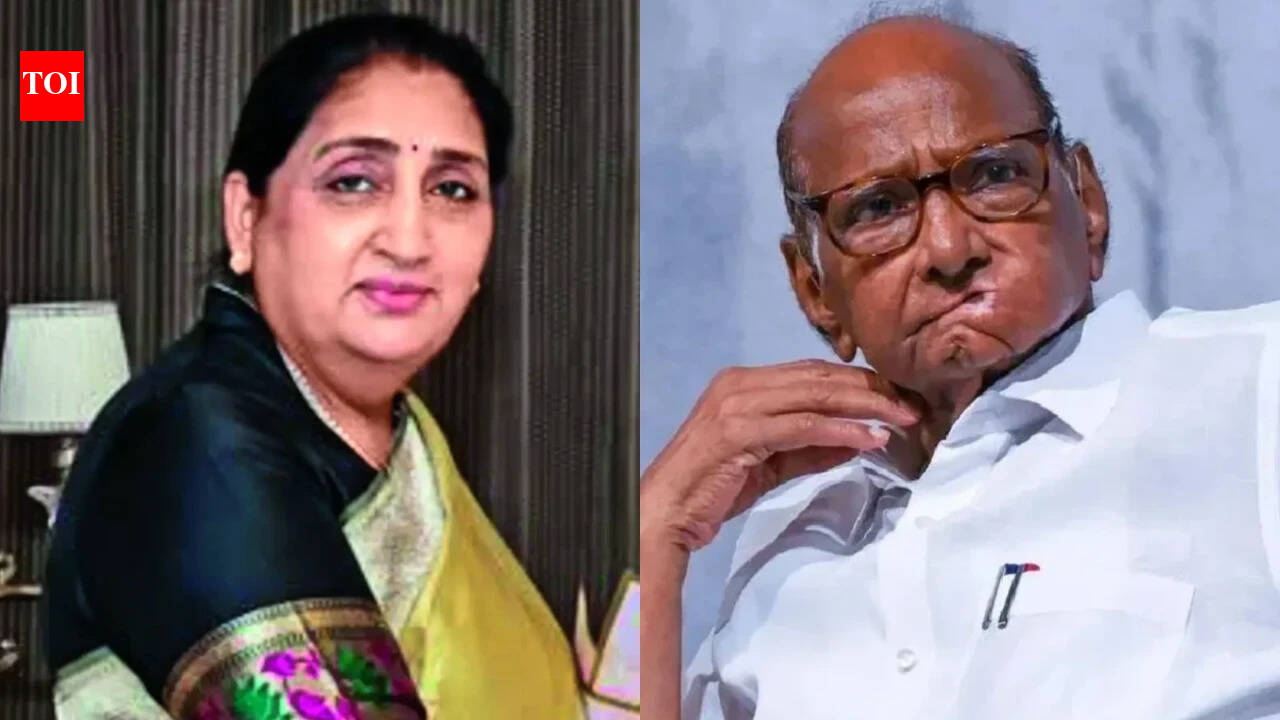
The Nationalist Congress Party faces internal turmoil and uncertainty regarding potential merger talks between its factions. Following the death of Ajit Pawar, discussions have stalled, leaving party members divided and seeking official clarity.
The Uncertain Future of the Nationalist Congress Party
Recent developments within the Nationalist Congress Party (NCP) have plunged the organization into a state of flux, characterized by conflicting reports and deep-seated internal confusion. The core of the issue stems from persistent rumors regarding a potential merger between the party's disparate factions, a topic that has sparked both private speculation and public apprehension among rank-and-file members. While various leaders have acknowledged that merger options were under preliminary exploration, the lack of a cohesive, official communication strategy has left many MLAs feeling sidelined and ill-informed.
The Impact of Recent Tragedies and Stalled Negotiations
The trajectory of these merger discussions underwent a significant shift following the death of Ajit Pawar. This event acted as a catalyst for the current impasse, effectively stalling negotiations that were already fraught with political tension. The vacuum left by this development has exacerbated the existing discontent within the party, as members struggle to reconcile the shifting power dynamics with the original objectives of their respective factions. It is anticipated that a clearer path forward may only emerge following the Diwali festival, when leadership is expected to convene to address the growing unrest.
Divergent Factional Stances
The organizational friction is further highlighted by the contradictory stances taken by different wings of the party. The NCP (Sharad Pawar faction), or NCP (SP), has explicitly maintained that no formal discussions regarding a merger have taken place within their ranks. This firm denial contrasts sharply with the broader political atmosphere, which remains thick with speculation. The insistence on this position by the NCP (SP) suggests a strategic effort to distance itself from the ruling faction, ensuring that their party identity remains distinct amid the ongoing chaos.
The Role of Leadership and External Political Pressure
External political forces continue to weigh in on the situation, with Chief Minister Fadnavis publicly commenting on the potential reunion of the two NCP factions. By asserting that a merger cannot occur without the involvement of his administration, the CM has underscored the degree to which these internal party matters are inextricably linked to the broader coalition government's stability. Such remarks serve to intensify the scrutiny on the NCP, suggesting that the party's internal structural decisions are now high-stakes matters for the state's political landscape.
Generational Shifts and Ideological Resistance
Within this climate of uncertainty, new voices are emerging to challenge the status quo. NCP (SP) MLA Rohit Pawar has become a prominent figure in opposing any reconciliation with the ruling faction. His stance represents a significant pivot, as he attempts to carve out a political identity that extends beyond the traditional constraints of his family's legacy. By taking an active role in resisting the merger, he is signaling a generational divide within the party, where younger leaders may prioritize ideological consistency over the pragmatic, albeit controversial, alliances favored by older party stalwarts.
Conclusion and Future Outlook
The Nationalist Congress Party currently stands at a critical crossroads. The interplay between grief, political ambition, and ideological divergence has created a complex environment where transparency is the primary casualty. As the party moves past the immediate period of mourning and looks toward post-Diwali consultations, the ability of its leadership to reconcile these internal contradictions will determine not only the party’s structural integrity but also its future relevance in the state's political arena. Whether the party chooses to pursue a path of reunification or deepening division, the decision will undoubtedly leave a lasting impact on Maharashtra's political trajectory.
Multiple Citing Sources