Nebraska Senator Deb Fischer's husband Bruce died by suicide, senator's office confirms in new statement
Source Entity
Latest News: Todays Latest News Headlines from India & World | Hindustan Times
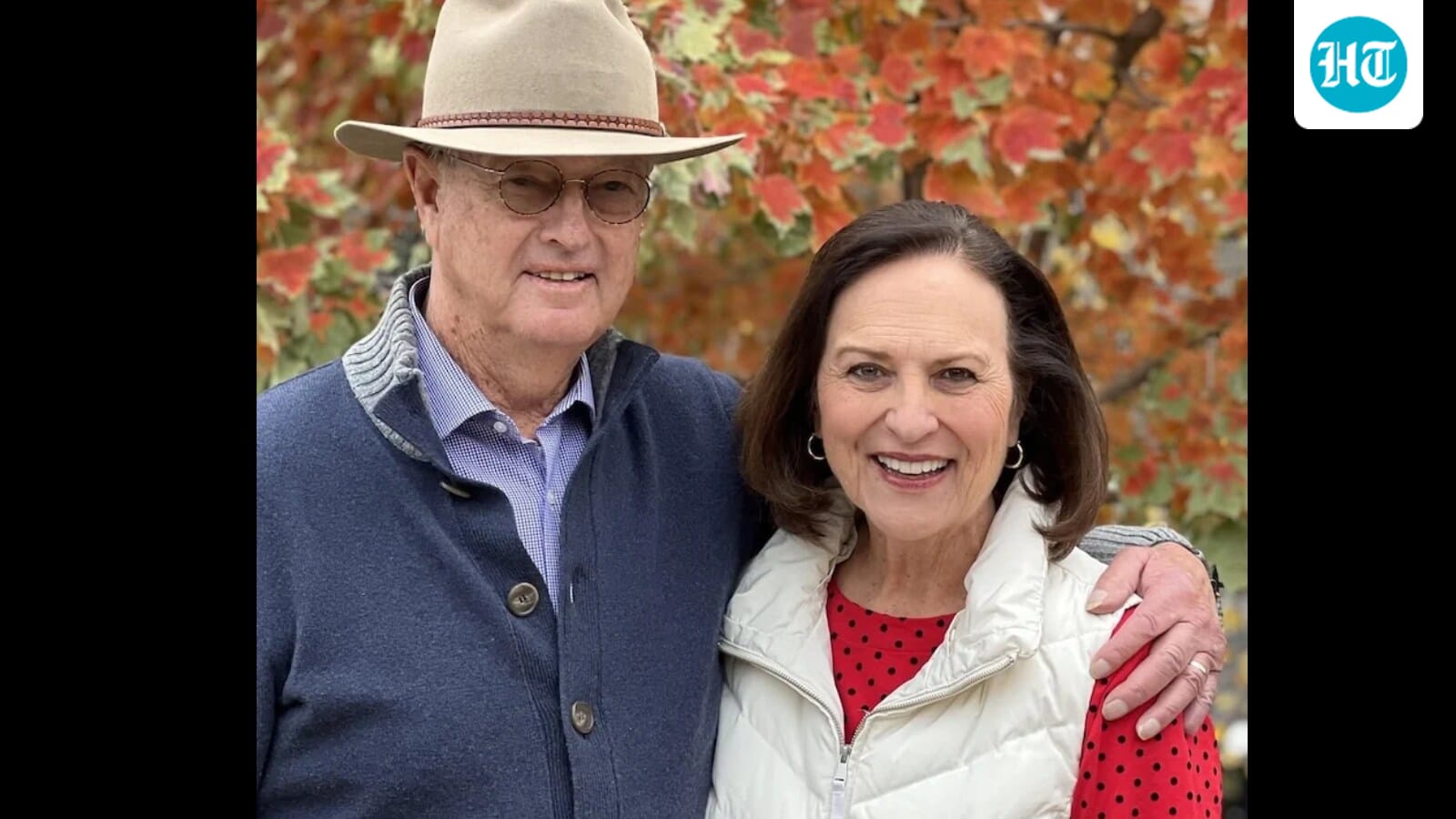
Nebraska Senator Deb Fischer's office has confirmed that her husband, Bruce Fischer, died by suicide at age 76. The update follows an initial announcement that stated he had passed away peacefully while outdoors.
Understanding the Tragic Loss of Bruce Fischer
The office of Nebraska Senator Deb Fischer recently issued a sobering update regarding the passing of her husband, Bruce Fischer, at the age of 76. Initially, the senator’s staff reported that Bruce had died peacefully while engaging in outdoor activities—a statement that reflected the family's desire for privacy and perhaps an attempt to process the suddenness of the event. However, in a subsequent statement issued via the social media platform X, the office clarified that the cause of death was suicide, marking a difficult transition from a private grief to a public acknowledgment.
The Complexity of Public Grief and Transparency
Public figures often face the immense pressure of managing personal tragedies while under the scrutiny of the media and their constituents. The shift in the official narrative regarding Bruce Fischer’s death highlights the inherent difficulty families face when navigating the immediate aftermath of a sudden loss. By correcting the initial statement, Senator Fischer’s office has demonstrated a commitment to transparency, even in the face of profound personal sorrow. This evolution in the narrative is not uncommon in high-profile cases, where initial reports are often based on fragmented information before a more complete picture emerges.
Mental Health Awareness in Public Discourse
The decision to acknowledge the nature of Bruce Fischer’s death serves as a poignant reminder of the pervasive reach of mental health struggles across all demographics, including the families of high-ranking government officials. Suicide remains a significant public health challenge, and the willingness of the senator’s office to share this update may, in the long term, contribute to the broader destigmatization of mental health crises. It underscores the reality that even those in positions of power are not immune to the silent burdens of mental health struggles.
Navigating Personal Loss in the Political Arena
As a Republican senator, Deb Fischer serves a vital role in the legislative landscape of Nebraska. The loss of a spouse is a life-altering event that inevitably impacts a legislator’s capacity to function, yet the political machine often demands a return to business. The outpouring of support from colleagues and constituents alike reflects the human element of politics, where partisan lines are often blurred by the shared understanding of human suffering and the sanctity of family life.
Moving Forward Amidst Tragedy
While the primary focus remains on the grieving process for the Fischer family, this event serves as a somber moment for reflection on the support systems available to those in the public eye. As the senator navigates this period of mourning, the focus of her office and the public will likely shift toward honoring the memory of Bruce Fischer. Ultimately, this tragic update underscores the importance of mental health resources and the necessity of compassionate discourse when discussing sensitive topics like suicide in the public sphere.
Verification Required?