Month after deadly avalanche, Nepal braces for heavy rain, floods again
Source Entity
The Indian Express
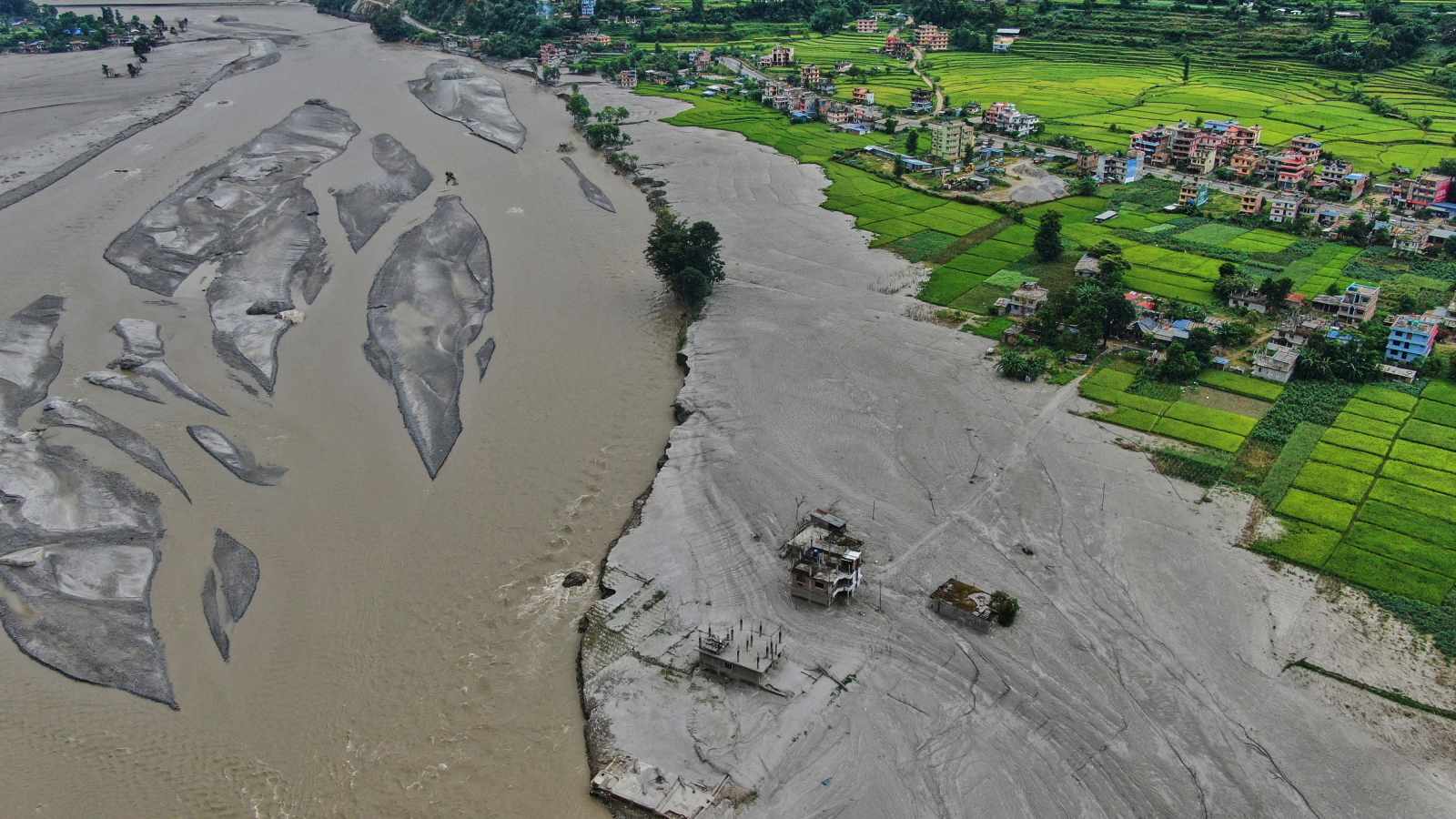
Nepal is currently bracing for a new wave of heavy rainfall and potential flooding following a deadly month that saw over 1,400 fatalities. Meteorological authorities have issued high-risk warnings for 12 districts as a low-pressure system moves across the region.
Nepal Faces Renewed Climate Threat
Just one month after a catastrophic series of flash floods claimed the lives of over 1,400 people and left many missing, Nepal is once again on high alert. The nation, still reeling from the humanitarian and infrastructural devastation of the previous disaster, faces the grim prospect of a new deluge. According to reports from The Kathmandu Post, the intersection of fragile geography and recurring extreme weather events has placed the country in a state of acute vulnerability.
Meteorological Drivers of the Impending Crisis
The current threat is being driven by a low-pressure system originating over the Bay of Bengal. Meteorological expert Rojan Lamichhane has confirmed that the system, which initially moved over Chhattisgarh, is now exerting a direct influence on Nepal’s weather patterns. This atmospheric shift is expected to bring heavy to very heavy rainfall across critical regions, including Koshi, Bagmati, Gandaki, Lumbini, and Karnali, further saturating an already compromised landscape.
Assessing the Risk Zones
The flood forecasting division has identified 12 specific districts as being at high risk for moderate to significant flooding: Gorkha, Lamjung, Kaski, Manang, Mustang, Dang, Banke, Bardiya, Surkhet, Dailekh, Kailali, and Kanchanpur. The geography of these areas, characterized by numerous small rivers and mountainous terrain, makes them exceptionally susceptible to flash flooding when rainfall intensity spikes, as the ground's capacity for water absorption remains diminished from the previous month's events.
Broader Implications of Recurring Disasters
The recurrence of such extreme weather events highlights the deepening climate crisis in the Himalayas. Nepal’s reliance on monsoon patterns makes it a frontline state for climate-related volatility. When consecutive weather events occur within a short window, the cumulative impact on infrastructure—such as roads, bridges, and housing—is exponential, often outstripping the government's capacity for immediate disaster response and recovery.
Future Trends and Resilience
Looking ahead, the frequency of these low-pressure systems and their subsequent impact on Himalayan river basins suggests a challenging future for regional disaster management. The inability to fully recover before the next potential disaster strikes places immense pressure on local authorities to maintain constant vigilance. Future resilience will likely depend on enhanced early-warning systems and more robust, climate-resilient infrastructure design that accounts for the increased probability of such rapid-onset disasters.
Conclusion
As the nation braces for the incoming weather, the memory of the 1,400 lives lost serves as a sobering reminder of the stakes involved. The combination of meteorological data and geological vulnerability underscores a critical period for Nepal. Continuous monitoring of the flood forecasting division's updates will be essential for the safety of the populations in the 12 identified high-risk districts as the storm system progresses.