Pakistan govt puts Islamabad on lockdown as Imran Khan’s party pushes ahead with march
Source Entity
AADRITA HALDER
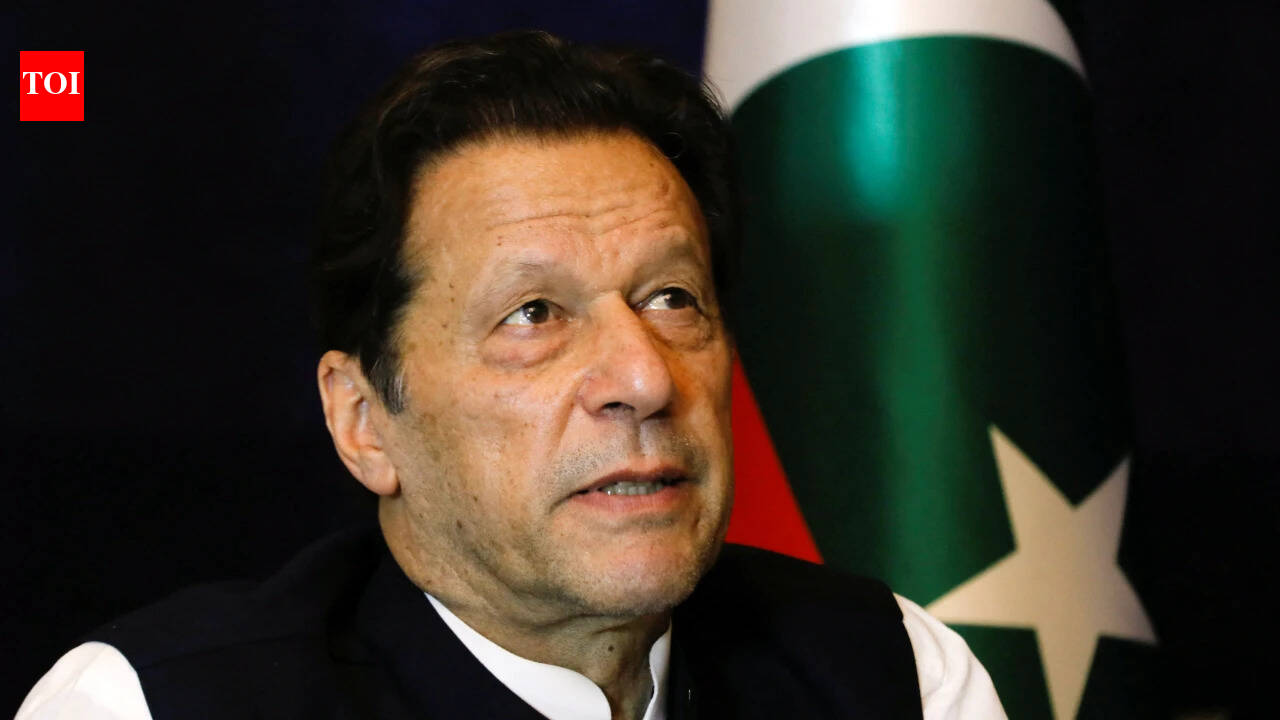
The Pakistani government has placed Islamabad under a strict lockdown to prevent a protest march organized by Imran Khan’s political party. Tensions have escalated as authorities deploy security measures to block the movement of party supporters toward the capital.
Islamabad Under Lockdown: The Political Standoff
The Pakistani government has officially placed the capital, Islamabad, under a stringent lockdown as the political party of former Prime Minister Imran Khan moves forward with its planned protest march. This move signifies a severe escalation in the ongoing political volatility that has characterized the nation since Khan's ouster from power. By restricting movement and fortifying the capital, the administration is attempting to neutralize the influence of the opposition’s street power, which has historically been a potent tool for Khan’s Pakistan Tehreek-e-Insaf (PTI) party.
Security Measures and Public Disruption
The decision to lockdown the capital involves the deployment of heavy security forces, the sealing of major thoroughfares, and the potential suspension of communication services. These measures are designed to prevent PTI supporters from gathering at key government installations. For the residents of Islamabad, this gridlock disrupts daily commerce, education, and transport, reflecting a pattern where political survival often takes precedence over public convenience in the current Pakistani administrative landscape.
The Strategy of Confrontation
Imran Khan’s party has consistently utilized mass mobilization as a strategy to challenge the current government's legitimacy. By pushing ahead with the march despite the government’s preemptive lockdown, the PTI is testing the resolve of state institutions. This cycle of protest and state-enforced containment highlights the deepening polarization within the country, where political discourse has largely shifted from legislative chambers to the streets.
Broader Political Implications
This standoff is not merely a localized event but a reflection of the broader structural tensions within Pakistan's political system. The persistent friction between the ruling coalition and the PTI has created a climate of instability that affects governance and economic policy. As the government prioritizes security to maintain order, the democratic process continues to face stress, with both sides refusing to yield to the other's demands for political realignment or fresh electoral mandates.
Historical Context and Future Trends
Pakistan has a long history of political movements being countered by state lockdowns, a tactic that has rarely led to long-term stability. If the current trend continues, the nation faces a prolonged period of uncertainty where the state’s focus remains on crowd control rather than addressing economic challenges. Future developments will likely depend on whether the government can sustain these restrictive measures without further alienating the public, or if the PTI can leverage these protests to force a change in the status quo.