Nepal’s call for climate justice
Source Entity
Latest News: Todays Latest News Headlines from India & World | Hindustan Times | Hindustan Times
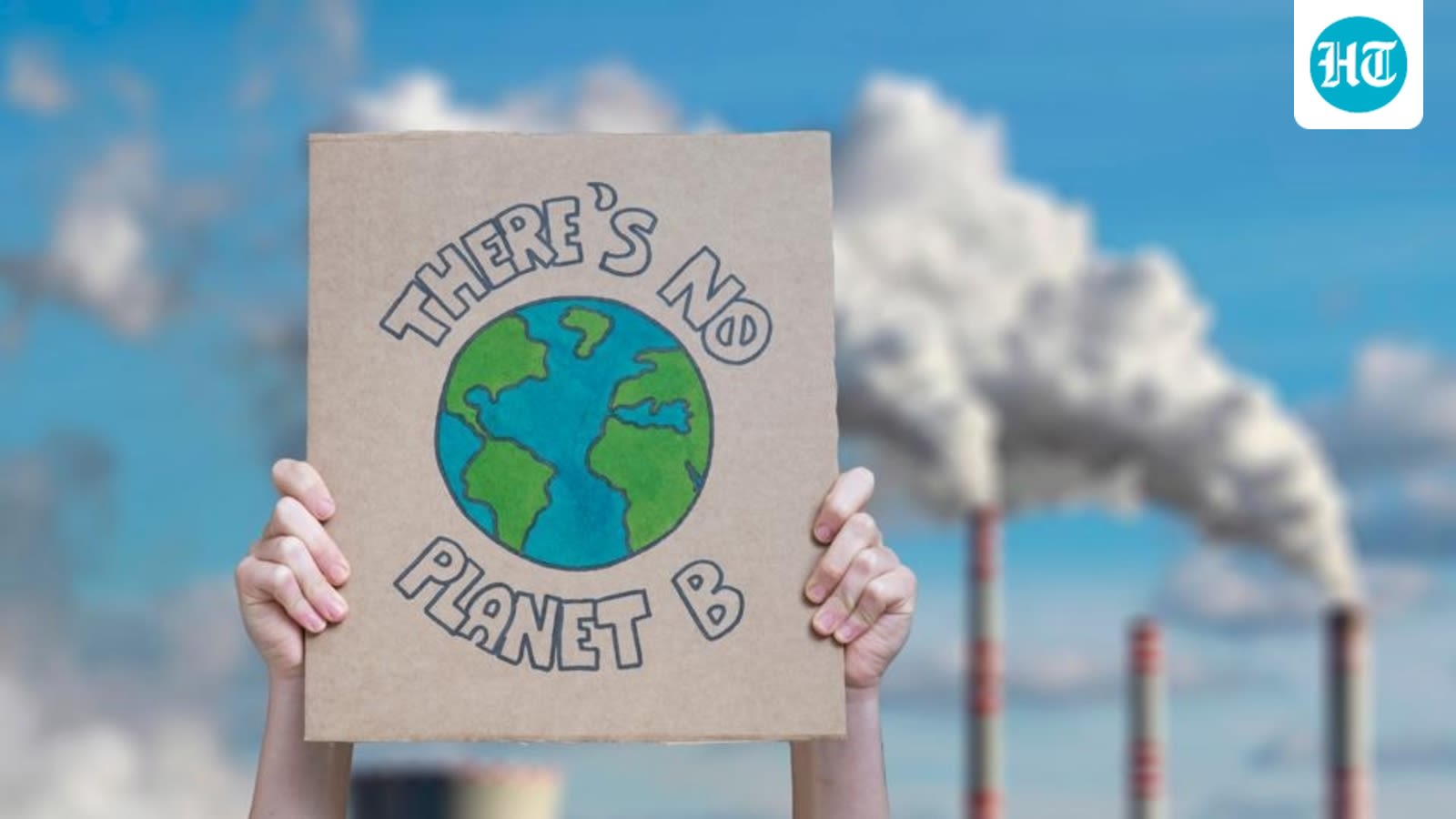
Nepal is facing an escalating climate crisis as glacial melting accelerates, leading to more frequent and deadly floods and landslides. Experts warn that the Himalayan region faces an inevitable increase in such disasters, necessitating urgent international climate justice.
The Escalating Climate Crisis in the Himalayas
Recent catastrophic events in Nepal have brought the urgent issue of climate justice to the forefront of global discourse. Following a month of devastating floods, researcher and journalist Akanshya Shah highlights that the Himalayan nation is grappling with a "new normal" defined by unprecedented environmental instability. This crisis is not merely a series of isolated weather events but a systemic shift in the region's climate patterns that demands immediate attention from the international community.
The Science of Accelerated Glacial Retreat
At the heart of Nepal's vulnerability lies the rapid degradation of its glacial landscape. Data provided by the International Centre for Integrated Mountain Development (ICIMOD) paints a grim picture: the rate of ice melt in the Himalayas has doubled since the turn of the millennium. A pivotal study suggests that glacial ice is currently disappearing 65% faster than in previous decades. This rapid retreat is not just an ecological concern; it is a structural threat that weakens the integrity of the entire Himalayan range, setting the stage for recurring and increasingly severe disasters.
The Inevitability of Future Calamities
Scientists tracking the Himalayan region have reached a sobering consensus: the frequency of extreme weather events is destined to rise. The discourse has shifted from speculative risk assessment to a matter of temporal inevitability—it is no longer a question of if these disasters will occur, but when. The structural weakening of the mountain ranges means that even moderate shifts in weather patterns can trigger catastrophic consequences for communities residing in high-altitude districts.
Human Toll and Regional Vulnerability
The human cost of this environmental degradation has been starkly illustrated by recent data. Just two days prior to reports, landslides and heavy rainfall claimed the lives of 30 individuals across Nepal. The districts of Manang and Mustang, which were previously considered more resilient, have been severely impacted, demonstrating that no part of the country is immune to the changing climate. These losses highlight the urgent need for robust disaster management infrastructure and climate-resilient development strategies.
Toward a Framework for Climate Justice
Nepal’s current situation serves as a primary example of why "climate justice" is a critical policy framework. As a country that contributes minimally to global carbon emissions, Nepal is disproportionately bearing the burden of a crisis driven by global industrial activities. The narratives emerging from the ground—focusing on the past, present, and future—underscore that climate action must prioritize the protection of vulnerable mountain ecosystems. Without international support for adaptation and mitigation, the people of the Himalayas will continue to face the brunt of global inaction.
Conclusion: The Path Forward
The path forward for Nepal requires a dual approach: immediate humanitarian aid to support the victims of recent landslides and long-term investment in scientific monitoring and infrastructure. As the melting rates continue to accelerate, the international community must acknowledge the Himalayan region's role as the 'Third Pole' and recognize that the safety of these mountains is intrinsically linked to global climate stability. Ensuring justice for those living on the frontlines of this crisis is not just a moral imperative, but a necessity for regional and global security.
Verification Required?