Express in Nepal | I tried to hold on to my wife’s hand, but water current was so strong: Survivor recounts horror
Source Entity
Devansh Mittal
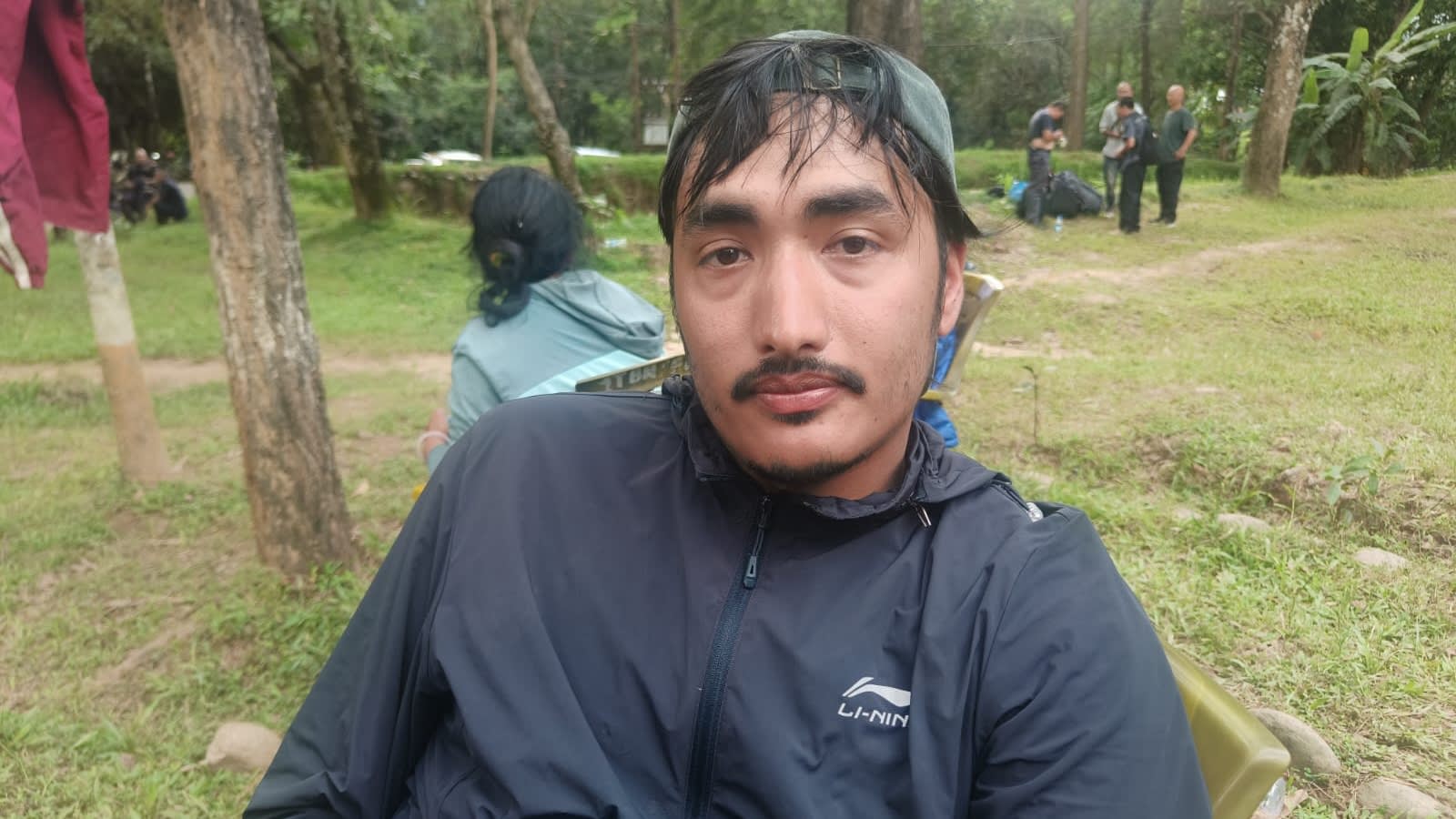
Devastating flash floods in Nepal have left families shattered as they recount harrowing tales of loss and uncertainty. Survivors and relatives of missing pilgrims from India are grappling with the aftermath of the disaster near the Nepal-Tibet border.
The Human Cost of Nepal’s Flash Flood Disaster
The recent flash floods that tore through parts of Nepal have left behind a landscape defined by tragedy, mud, and profound loss. As rescue operations stretch into their third day, the survivors and the families of the missing are forced to grapple with the sudden erasure of both their loved ones and their livelihoods. The disaster, characterized by a violent surge of mud, rock, and water, has turned serene landscapes into sites of mourning, leaving a deep psychological scar on those who managed to escape the torrent.
Tales of Survival and Separation
Among the survivors, the story of Shyam Lal Thapa, a 52-year-old farmer from the Rasuwa district, serves as a harrowing testament to the sheer force of the flood. Describing the moment the deluge hit, he recounted the desperate, failed attempt to hold onto his wife, Gyanu, who was swept away by the overwhelming current. His experience reflects the helplessness felt by many, as natural disasters of this magnitude strip away even the most fundamental human bonds in an instant. With his son still missing and his daughter-in-law in a state of shock, his narrative highlights the ongoing uncertainty that defines the aftermath.
The Plight of Missing Pilgrims
Beyond the local impact, the floods have ensnared travelers and pilgrims from abroad, including a significant number from India. Families in Maharashtra and Bhopal are currently caught in a state of agonizing limbo. For relatives of missing individuals like Aparna and Sameer Joshi, who were on their first trip to Nepal for the Kailash-Mansarovar Yatra, the silence is deafening. The last digital footprints—a photograph and a WhatsApp status from August 26—have become the focal point of their search for clarity, underscoring the role that modern communication plays in documenting the final moments before disaster strikes.
A Final Call for Help
Perhaps the most chilling aspect of this catastrophe is the finality of the last communications received by families. In Bhopal, Devki Adhikari received a brief, frantic phone call from her relatives who were seeking higher ground as the waters rose. The heartbreaking instruction to "take care of the children" as their shelter became partially submerged speaks to the terrifying realization of mortality faced by the victims. This moment of desperate farewell highlights the speed and unpredictability of the flash floods that have ravaged the region near the Nepal-Tibet border.
Broader Implications and Future Risks
This event underscores the extreme vulnerability of communities and travelers in the Himalayan region to sudden, climate-driven geological events. The destruction of paddy fields, which have sustained families for generations in districts like Rasuwa, points to a long-term economic crisis that will follow the immediate search-and-rescue efforts. As debris and mud replace the fertile land, the path to recovery for these families will be arduous and slow.
Conclusion: A Community in Mourning
As rescue efforts, aided by specialized units and sniffer dogs, continue through the damaged regions of Devighat and beyond, the focus remains on locating the missing and supporting the survivors. The collective trauma shared by families in India and the local residents of Nepal highlights the cross-border impact of these environmental disasters. The memory of these events will undoubtedly shape future discussions regarding travel safety, disaster preparedness, and the environmental management of the fragile Himalayan ecosystem.
Multiple Citing Sources