Trump announces deal with Venezuela to secure more than 65 billion barrels of oil reserves
Source Entity
US Top News and Analysis
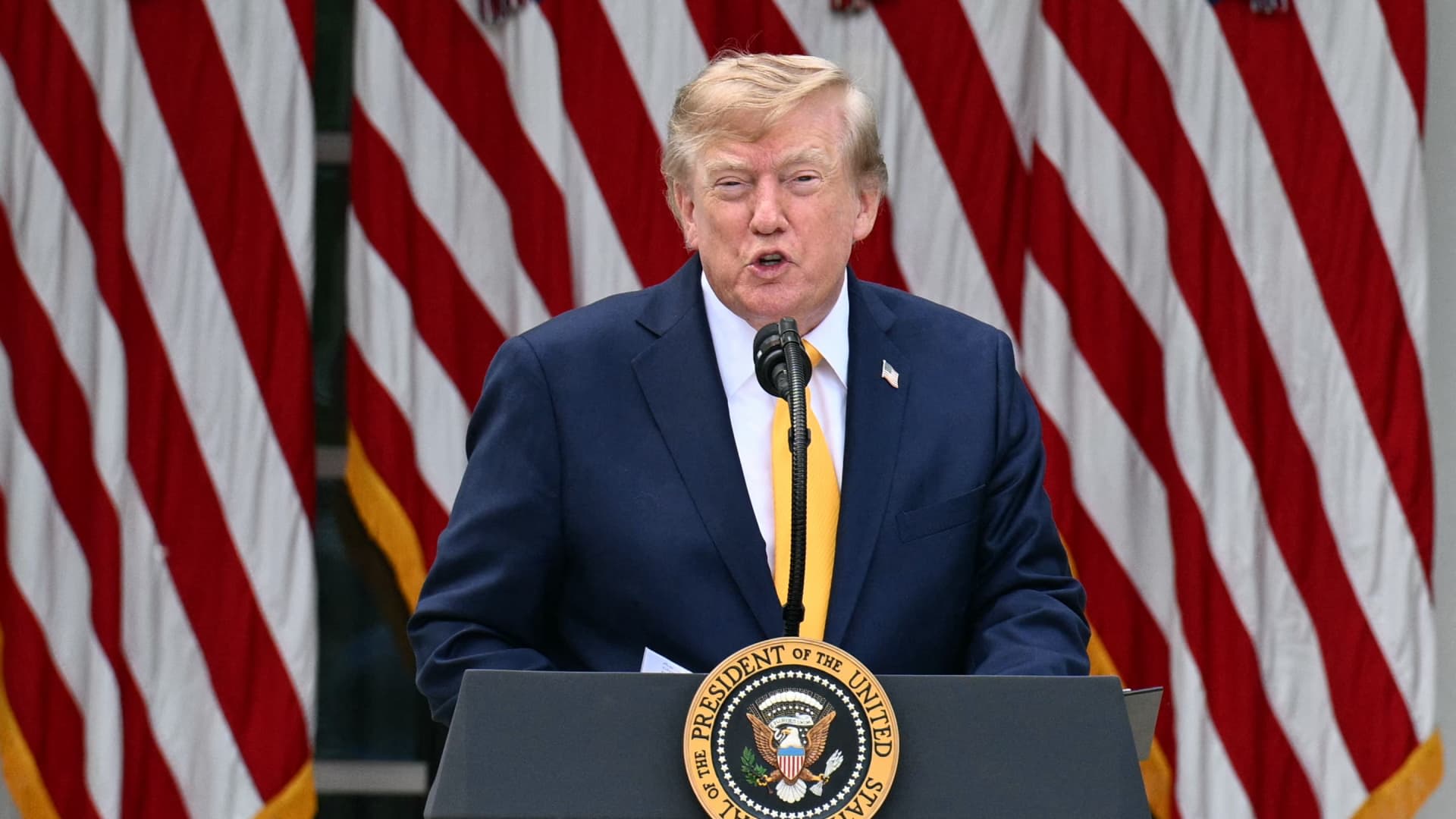
President Donald Trump has announced a major agreement securing U.S. majority control over 65 billion barrels of Venezuelan oil reserves. The deal, negotiated by Secretary of State Marco Rubio and Secretary of War Pete Hegseth, has drawn sharp criticism for being predatory and unconstitutional.
The U.S.-Venezuela Oil Agreement: A Geopolitical Shift
President Donald Trump has officially announced a landmark agreement that secures majority American control over 65 billion barrels of Venezuela's vast oil reserves. This development, which the administration has characterized as the largest oil deal in history, follows a period of extreme volatility in the South American nation, marked by the U.S. intervention in January that saw the removal of Nicolás Maduro. The agreement is being framed by the White House as a strategic move to bolster national energy security at no direct cost to taxpayers.
Strategic Implications of the Reserves
Venezuela possesses the world’s largest proven crude oil reserves, estimated at approximately 303 billion barrels. By securing majority control over a significant portion of these assets, the United States is fundamentally altering the global energy landscape. This move comes at a critical time when the U.S. Strategic Petroleum Reserve has reached its lowest levels since the 1980s, and global supply chains face extreme pressure from ongoing conflicts, particularly the intensified tensions surrounding the Strait of Hormuz and the broader war with Iran.
The Negotiation and Implementation
According to official statements, the deal was finalized through direct negotiations between Secretary of State Marco Rubio, Secretary of War Pete Hegseth, and Venezuela’s interim president, Delcy Rodriguez. The partnership is designed to integrate private industry into the extraction and management of these resources. By bypassing traditional multi-national consortiums in favor of a direct U.S.-led arrangement, the administration seeks to ensure that the influx of energy resources remains under American oversight, thereby hedging against the instability currently plaguing the global crude trade.
Domestic and International Backlash
Despite the administration’s enthusiasm, the deal has ignited a firestorm of controversy. Critics within the international community and domestic political spheres have labeled the arrangement as "predatory" and "unconstitutional." Opponents argue that the methodology used to secure these fields—following the January abduction of Maduro and the subsequent installation of an interim government—violates international sovereignty norms and sets a dangerous precedent for resource-based foreign policy.
Broader Foreign Policy Context
The oil deal is occurring against a backdrop of multiple, overlapping foreign policy crises. From the ongoing uncertainty regarding the Gaza ceasefire to the maritime disputes involving Iran, the U.S. is currently managing a complex web of global priorities. The administration appears to be utilizing the Venezuelan energy sector as a stabilizer for its overall foreign policy, attempting to ensure that domestic energy demands are met even as the U.S. remains engaged in various global conflicts.
Future Trends and Outlook
Looking ahead, this agreement is likely to define the next phase of U.S.-Latin American relations. If the administration successfully integrates these 65 billion barrels into the global market, it may alleviate some of the inflationary pressures caused by energy shortages. However, the legal and ethical challenges surrounding the deal’s inception suggest that long-term stability in the region remains precarious. The success of this policy will depend heavily on whether the interim administration in Venezuela can maintain control over its infrastructure while navigating the intense domestic and international scrutiny that currently surrounds the project.