288 Indians Missing After Nepal Floods, 21 Rescued, Says Centre
Source Entity
NDTV News Search Records Found 1000
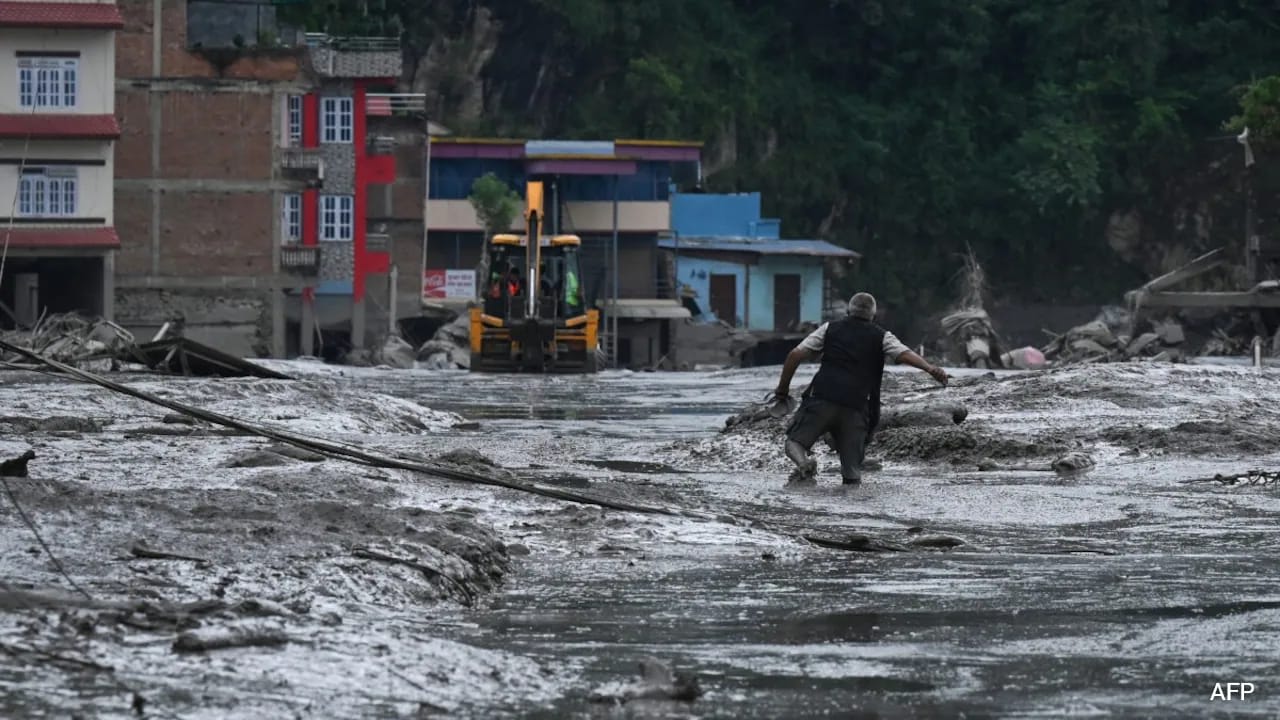
Nepal faces a severe flash flood crisis impacting border regions in India, while a separate incident of vandalism against a Dr. B.R. Ambedkar statue has sparked local tensions in Rae Bareli. Authorities in both instances are actively working to manage the disaster response and maintain civil order.
Crisis and Unrest: A Dual Challenge for Uttar Pradesh and Bihar
Recent reports indicate a dual challenge for regional authorities in northern India, involving both a natural disaster unfolding across the border and a localized social disturbance. The situation is characterized by the need for urgent disaster management and the maintenance of communal harmony in the face of provocative acts.
The Transboundary Flood Threat
Heavy rainfall in Nepal has triggered flash floods approximately 200 km north of the Indian border, leading to a high-alert status for districts in Uttar Pradesh, Bihar, and Uttarakhand. The situation is exacerbated by the opening of barrage gates, which threatens to significantly raise water levels in the Ghaghara, Rapti, Kosi, and Gandak rivers. The interconnected nature of these river systems, particularly the flow of the Trishuli and Bhote Koshi rivers into the Gandak, creates a complex hydrological challenge for downstream Indian states.
Humanitarian Concerns and Disaster Response
The human cost of the Nepal flash floods is significant, with reports of dozens of fatalities and hundreds of missing persons, including 105 Indian tourists. The potential for further flooding in the Gandak and Narayani rivers necessitates immediate coordination between Indian border authorities and their Nepalese counterparts. This event underscores the vulnerability of the Himalayan foothills to extreme weather and the importance of cross-border data sharing to mitigate flood risks for populations residing in the river basins.
Tensions in Rae Bareli
Concurrently, social stability in Baburiha village, located in the Rae Bareli district of Uttar Pradesh, has been tested by an act of vandalism. On August 25, 2026, unknown individuals smeared mud and soot on a statue of Dr. B.R. Ambedkar. This incident has caused widespread anger among local residents who view the statue as a symbol of social justice and a tribute to the architect of the Indian Constitution.
Official Intervention and Community Management
In response to the vandalism, the local administration, led by the Additional Superintendent of Police and the Circle Officer of Unchahar, intervened to prevent the situation from escalating. By deploying police as a precautionary measure and promising a swift, fair investigation, the authorities have managed to stabilize the environment. The focus remains on identifying the culprits to provide closure to the affected community and restore local order.
Future Outlook and Conclusion
Both the environmental and social issues presented require ongoing vigilance. As the monsoon season continues, the threat of rising river levels will remain a primary concern for residents near the Nepal border. Simultaneously, the incident in Rae Bareli highlights the fragility of social cohesion, requiring continued community engagement and proactive policing. Effective crisis communication and rapid administrative response remain the most vital tools in navigating these multifaceted challenges.
Multiple Citing Sources
Verification Required?