Nepal flash floods: Why the avalanche resembles Chamoli, but with greater impact
Source Entity
Amitabh Sinha
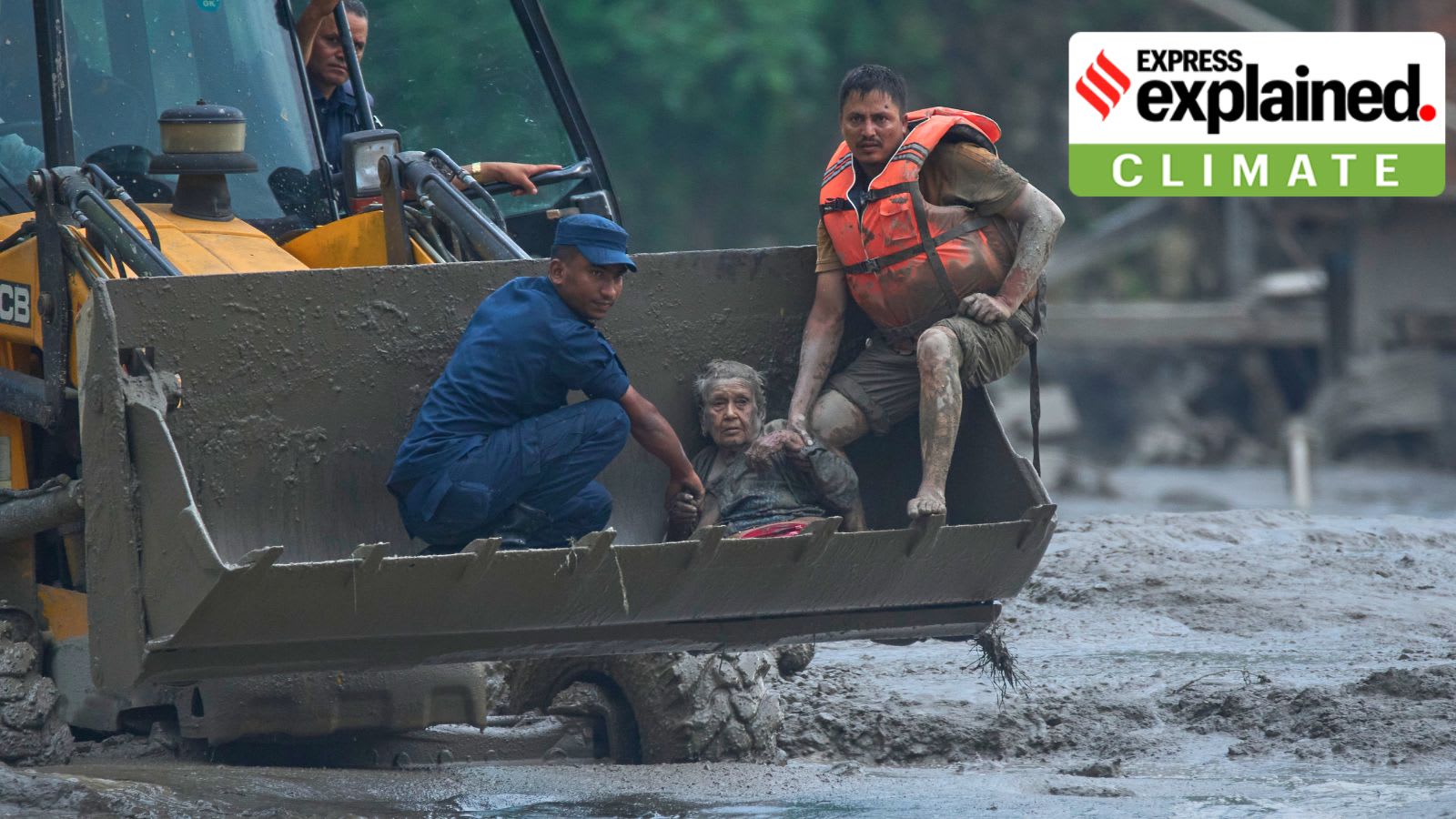
Authorities in northern India are on high alert following devastating flash floods in Nepal that threaten river systems in Uttar Pradesh and Bihar. Simultaneously, police in Rae Bareli are investigating a desecration incident involving a Dr. B.R. Ambedkar statue that sparked local unrest.
Regional Crisis: Nepal Floods and North Indian Preparedness
The recent flash floods occurring approximately 200 km north of the Indian border in Nepal have triggered significant concern across the Indian states of Uttar Pradesh, Bihar, and Uttarakhand. The disaster, which has already claimed dozens of lives and left nearly 400 tourists—including 105 Indian nationals—missing, underscores the fragile ecological connectivity between the Himalayan region and the Indo-Gangetic plains.
Hydrological Implications for Indian River Systems
The primary concern for Indian authorities is the downstream impact of the surging water levels. Heavy rainfall in Nepal, coupled with the necessary opening of barrage gates, directly threatens the Ghaghara, Rapti, Gandak, and Kosi river systems. Specifically, the Trishuli river, which feeds into the Gandak, is seeing increased flow, posing a direct flooding risk to north Bihar and parts of Uttar Pradesh. The management of these transboundary water systems remains a critical challenge for disaster mitigation efforts.
Societal Tensions in Rae Bareli
While disaster management teams focus on the northern borders, local law enforcement in Uttar Pradesh is managing a separate but volatile situation in Baburiha village, Rae Bareli. On August 25, 2026, the discovery of mud and soot smeared on a statue of Dr. B.R. Ambedkar triggered significant public anger. Such acts of vandalism against symbols of social justice figures often serve as flashpoints for community discord, necessitating immediate police intervention to prevent the escalation of local unrest.
The Role of Law Enforcement and Community Stability
The response to the Rae Bareli incident highlights the importance of proactive policing in maintaining communal harmony. Senior officials, including the Additional Superintendent of Police and the Circle Officer of Unchahar, arrived on-site to conduct investigations and reassure the local population. By deploying police forces as a precautionary measure, authorities have successfully brought the immediate situation under control, focusing on the identification and prosecution of the culprits to assuage the grievances of local residents.
Comparative Analysis of Regional Stability
Both the environmental crisis in the north and the social friction in Rae Bareli demand high-level administrative attention. While the flood situation is a matter of transboundary environmental management and human safety, the statue desecration represents a challenge to social cohesion. In both scenarios, the efficacy of the state’s response—ranging from flood-gate monitoring to swift criminal investigations—remains the primary determinant in preventing further instability.
Future Trends and Outlook
Looking ahead, regional stability in Uttar Pradesh and Bihar will depend on enhanced early-warning systems for transboundary river management and rigorous legal enforcement regarding public order. As climate patterns become more erratic, the frequency of flash floods originating from Nepal may increase, requiring more robust coordination between Indian and Nepalese authorities. Concurrently, protecting historical and cultural icons remains essential to maintaining the social fabric and preventing localized civil unrest.
Multiple Citing Sources