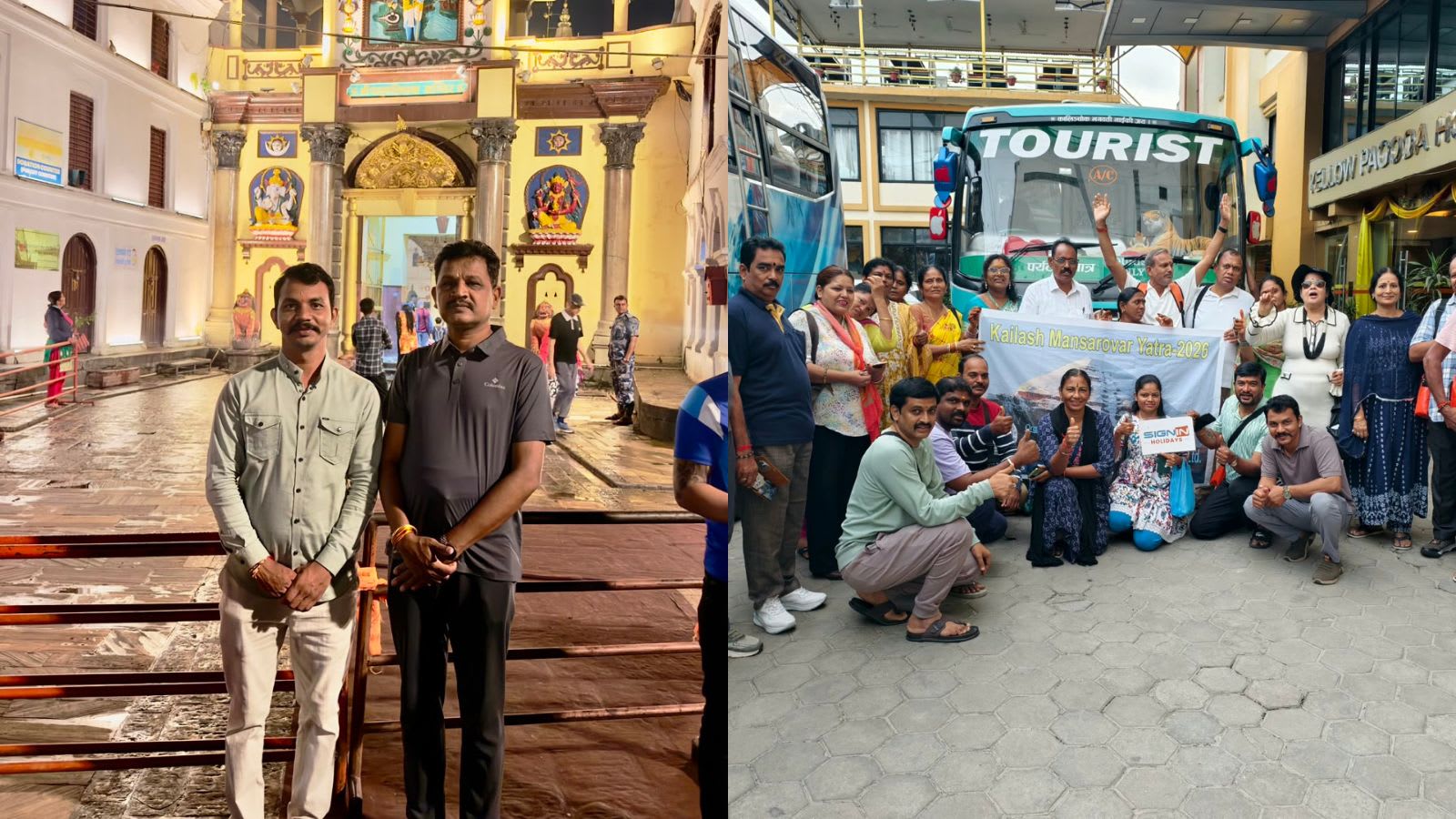
‘Two buses ahead were swept away’: Karnataka man recounts lucky escape in Nepal floods
Source Entity
Kiran Parashar
Authorities in North India are on high alert following deadly flash floods in Nepal that threaten river basins in UP and Bihar. Meanwhile, tensions have flared in Rae Bareli after an act of vandalism targeting a statue of Dr. B.R. Ambedkar.
Crisis Management: Floods and Social Unrest in North India
Nepal Flash Floods and Cross-Border Water Risks
Recent catastrophic flash floods in Nepal have sent shockwaves across the border into India, placing the states of Uttar Pradesh, Bihar, and Uttarakhand on high alert. The disaster, which occurred approximately 200 kilometers north of the Indian border, has resulted in significant casualties and left nearly 400 tourists—including 105 Indian nationals—missing. This tragedy highlights the vulnerability of mountain valley regions to sudden climate-induced events and the intricate hydrological links between the Himalayan nations and the Indo-Gangetic plains.
Hydrological Impact on Indian Rivers
The primary concern for Indian authorities is the inevitable rise in water levels for key river systems, including the Ghaghara, Rapti, Gandak, and Kosi. The situation is exacerbated by the opening of barrage gates in Nepal, which serves as a necessary safety measure for the dams but creates a surge of water downstream. Specifically, the Trishuli river, which integrates flow from the Bhote Koshi originating in Tibet, acts as a primary feeder for the Gandak. As this massive volume of water moves southward, the potential for inundation in northern Bihar and parts of Uttar Pradesh remains a critical concern for disaster management agencies.
Social Instability in Rae Bareli
While disaster management teams focus on the northern borders, administrative forces in Rae Bareli are grappling with localized social unrest. In Baburiha village, under the Gadganj police station, the discovery of mud and soot smeared on a statue of Dr. B.R. Ambedkar on August 25, 2026, has ignited significant public anger. The statue, a symbol of immense cultural and political significance, was targeted under the cover of darkness, prompting immediate communal tension and calls for justice from local residents and followers of Dr. Ambedkar.
Law Enforcement and Community Response
The response to the Rae Bareli incident has been swift, characterized by a heavy police deployment to maintain order and prevent the escalation of violence. High-ranking officials, including the Additional Superintendent of Police (ASP) and the Circle Officer (CO) of Unchahar, were dispatched to the scene to engage with the community. By offering assurances of a thorough investigation and strict legal action against the perpetrators, the administration has managed to keep the situation under control, though the underlying sentiment remains fragile.
Broader Implications and Future Trends
The intersection of natural disasters and localized social disturbances presents a complex challenge for regional governance in India. The flooding situation necessitates long-term bilateral cooperation on water management and early warning systems between Nepal and India to mitigate future loss of life. Simultaneously, the protection of public icons and the maintenance of social harmony require proactive community policing and a commitment to upholding the rule of law. As the administration balances these crises, the focus remains on stabilization, recovery, and the prevention of further escalation in both the affected river basins and the social fabric of rural districts.
Multiple Citing Sources