Nepali students in Delhi worry for kin after devastating flash floods: ‘Situation is uncertain’
Source Entity
Latest News: Todays Latest News Headlines from India & World | Hindustan Times | Hindustan Times
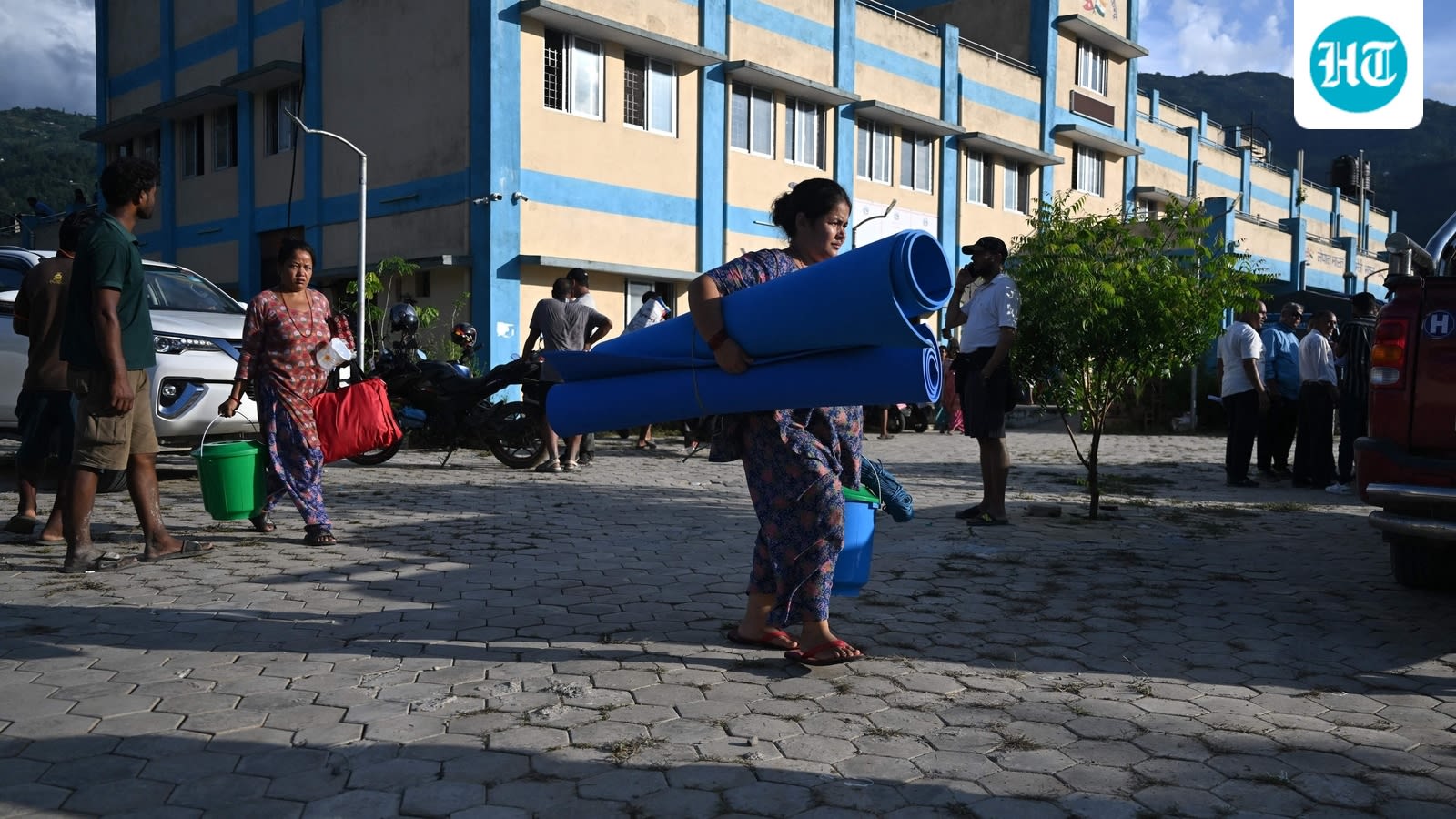
Authorities in North India are on high alert following devastating flash floods in Nepal that threaten river systems in Uttar Pradesh and Bihar. Simultaneously, police in Rae Bareli are investigating a provocative act of vandalism targeting a statue of Dr. B.R. Ambedkar.
Regional Crisis: Transboundary Floods and Domestic Unrest
Nepal Flash Floods and Downstream Risks
Recent catastrophic flash floods in Nepal, occurring approximately 200 kilometers north of the Indian border, have triggered a high-alert status across several Indian states. The surge, which has resulted in dozens of fatalities and left nearly 400 tourists—including 105 Indian nationals—missing, poses a significant secondary threat to the hydrological stability of northern India. The opening of barrage gates in Nepal, combined with heavy rainfall, is expected to cause a dangerous rise in water levels in key rivers, specifically the Ghaghara, Rapti, and Kosi.
Hydrological Implications for Bihar and Uttar Pradesh
The influx of water originating from the Trishuli and Bhote Koshi river systems directly impacts the Gandak and Narayani rivers. As these waterways flow from the Himalayan regions into the plains of Uttar Pradesh and Bihar, the sudden increase in volume necessitates urgent disaster management protocols. The interconnected nature of these river systems means that meteorological events in the mountainous regions of Nepal have immediate and severe consequences for Indian border districts, requiring constant monitoring by local authorities to prevent large-scale displacement and infrastructure damage.
Vandalism in Rae Bareli: A Social Flashpoint
Concurrent with the environmental crisis, the district of Rae Bareli in Uttar Pradesh has faced internal social volatility. In Baburiha village, located within the Gadganj police station jurisdiction, the desecration of a statue of Dr. B.R. Ambedkar by unknown miscreants has sparked localized unrest. The act, involving the smearing of mud and soot, occurred during the night of August 25, 2026, and prompted immediate outrage from local residents and followers of Dr. Ambedkar who view the statue as a symbol of social justice.
Security Response and Community Relations
The local administration, led by the Additional Superintendent of Police and the Circle Officer of Unchahar, moved swiftly to mitigate the potential for escalating violence. By establishing a security presence in the village and promising a transparent, rigorous investigation, the police have aimed to restore order. The assurance of legal action serves as a crucial mechanism to de-escalate communal tensions and address the grievances of the villagers who feel targeted by this act of vandalism.
Broader Context and Future Trends
These events highlight the multifaceted challenges facing administrative authorities in India. While the transboundary flood risk requires sophisticated climate and hydrological cooperation between India and Nepal, the incident in Rae Bareli underscores the ongoing necessity for local law enforcement to remain vigilant against acts that threaten social harmony. Moving forward, authorities must balance climate-resilience infrastructure with proactive community policing to ensure the safety and stability of the region during times of both environmental and social stress.
Multiple Citing Sources
Verification Required?