Entrepreneur explains why he prefers Gurugram over Delhi despite civic issues: 'It will improve one day for sure'
Source Entity
Latest News: Todays Latest News Headlines from India & World | Hindustan Times | Hindustan Times
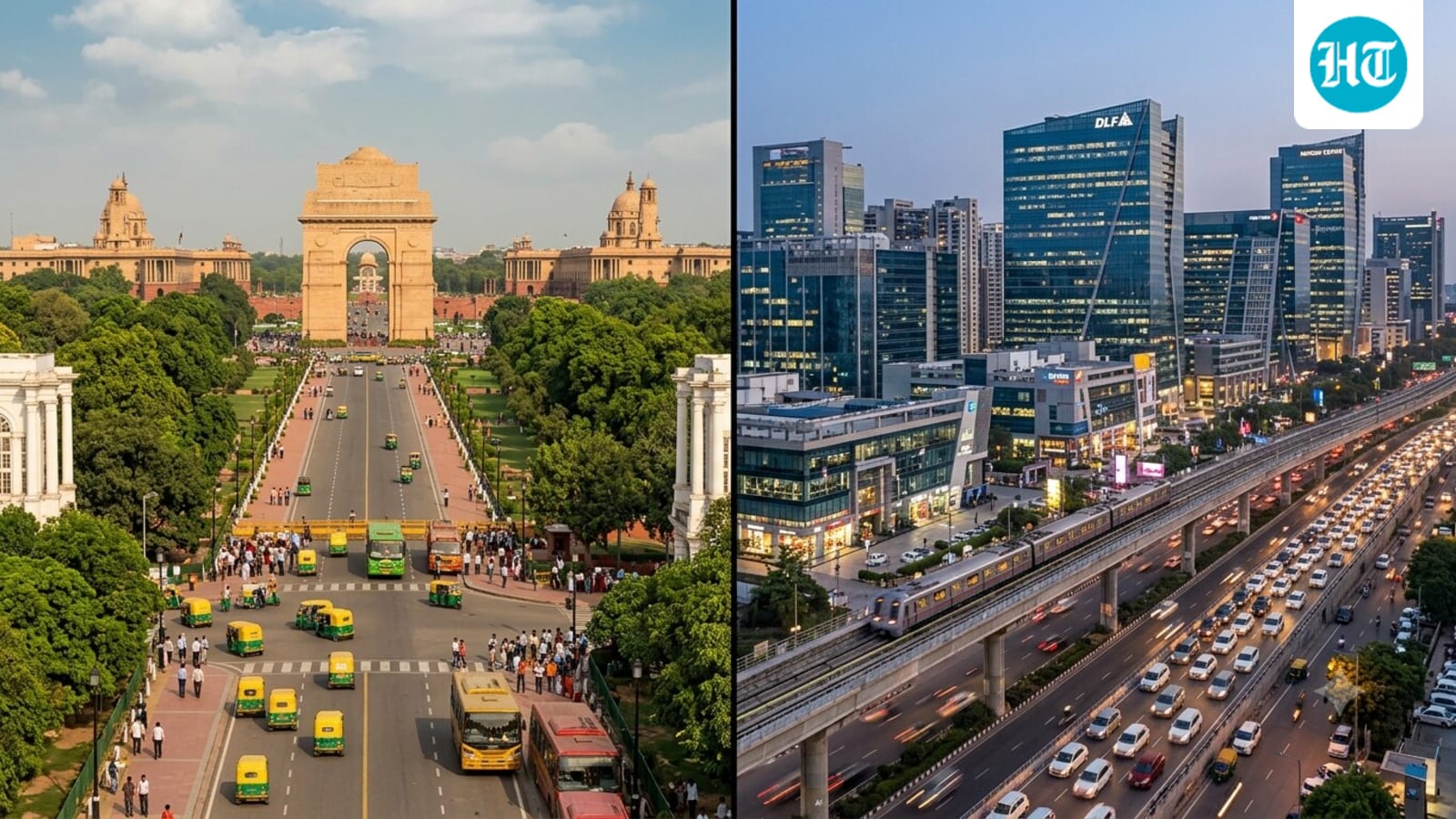
An entrepreneur recently shared why he prefers living in Gurugram over Delhi despite acknowledging persistent civic challenges. He highlights superior career prospects, infrastructure, and modern service availability as key drivers for his decision.
The Great Urban Debate: Choosing Gurugram Over Delhi
In a recent social media discourse, an entrepreneur highlighted a growing trend among professionals: the preference for Gurugram over the national capital, Delhi. Despite the city's well-documented civic shortcomings, this perspective underscores a shift in how modern professionals prioritize their living environments. While Delhi remains the political and historical heart of India, Gurugram has rapidly evolved into a corporate powerhouse that appeals to those seeking a specific lifestyle.
The Allure of Corporate Infrastructure
The entrepreneur’s preference is rooted in the distinct corporate ecosystem that Gurugram offers. Unlike the more traditional and congested layout of Delhi, Gurugram’s development—particularly in the DLF-managed sectors—provides a modern, planned environment. The presence of expansive malls, high-end restaurants, and a concentration of multinational corporations creates a 'work-play' balance that is highly attractive to the modern workforce. This planned urbanism, despite its flaws, is viewed by many as more conducive to professional growth than the fragmented nature of Delhi's residential areas.
Access to Modern Service Ecosystems
One of the most compelling arguments made is the availability of on-demand services. The entrepreneur specifically noted the prevalence of instant commerce and service platforms like Blinkit ambulances and Urban Company. These services have become synonymous with the 'Gurugram lifestyle,' where gated communities act as hubs for high-speed, tech-enabled convenience. In many parts of Delhi, the legacy infrastructure often makes the deployment of such rapid-response services more complex, giving Gurugram a functional edge in the eyes of its residents.
Addressing the Civic Paradox
It is impossible to discuss Gurugram without acknowledging the 'pathetic' state of its civic administration, as the entrepreneur candidly admitted. The city frequently faces criticism regarding water logging, road maintenance, and waste management. However, the narrative suggests a form of 'optimistic investment'—a belief that the city's current trajectory, fueled by its economic importance, will eventually force the Haryana government and local administration to resolve these systemic issues. This is a common sentiment among residents who view the city as a 'work in progress' rather than a finished product.
Connectivity and Geographic Strategic Advantage
Beyond internal amenities, the entrepreneur pointed to road connectivity as a major differentiator. Gurugram’s position provides a strategic gateway to Rajasthan and other parts of Haryana, facilitating easier logistics for travel and commerce. This connectivity, combined with the city's relative proximity to the Indira Gandhi International Airport, provides a logistical convenience that is increasingly difficult to match in the dense, traffic-heavy landscape of central and south Delhi.
Future Trends in Urban Migration
The shift of high-earning professionals to Gurugram signals a broader trend in Indian urbanization where private-sector-led development often outweighs the benefits of traditional city centers. As long as Gurugram continues to act as a magnet for career opportunities, the demand for high-quality, gated living will likely persist. Future trends suggest that if the local government can bridge the gap between private infrastructure and public utility, Gurugram will continue to cement its reputation as the preferred hub for India’s corporate elite.
Verification Required?