From E coli to amenity gaps: What CAG found beyond the railway makeover
Source Entity
ABHISHEK MISHRA
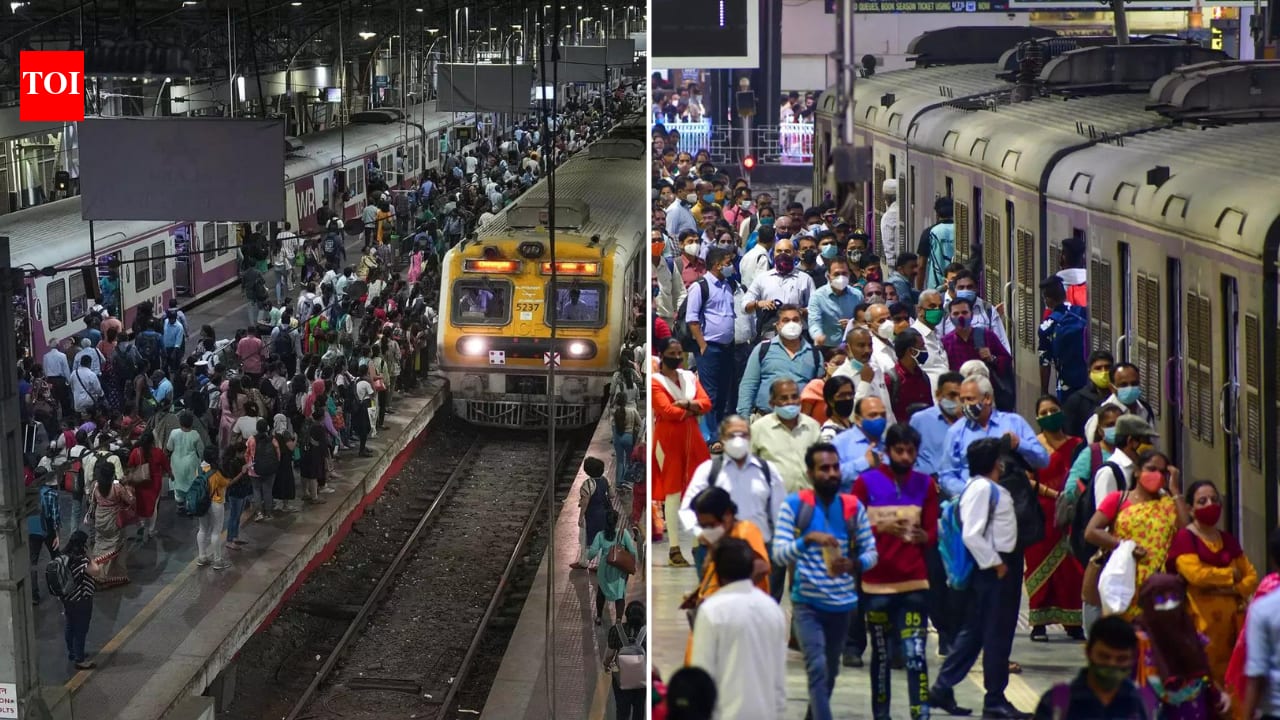
A recent CAG report highlights significant gaps in Indian Railways' infrastructure despite record capital expenditure. The findings point to critical issues in water quality, passenger amenities, and financial performance, overshadowing the focus on high-profile projects.
The Disconnect Between Infrastructure Ambition and Operational Reality
The Comptroller and Auditor General (CAG) of India has recently cast a critical eye on the Indian Railways’ ambitious modernization drive, revealing a stark dichotomy between the high-profile rollout of projects like the Vande Bharat Express and the deteriorating state of basic passenger amenities. While the government has aggressively pursued a narrative of transformation, the audit findings suggest that the veneer of progress is being undermined by systemic failures in fundamental service delivery.
The Crisis of Basic Amenities
At the heart of the CAG’s findings is a troubling decline in the quality of essential services provided to passengers. Chief among these concerns is water quality, which has emerged as a major point of contention. Despite the heavy investment in station makeovers, the audit indicates that the basic requirement of clean, potable water remains unfulfilled at various junctions. This discrepancy highlights a failure in the maintenance cycle, where the focus on aesthetic upgrades often ignores the underlying health and hygiene standards required for mass transit operations.
Financial Performance vs. Expenditure
The report notes a record-breaking capital expenditure (capex) strategy supported by substantial government backing, aimed at accelerating the modernization process. However, this spending spree is contrasted by an operating ratio of 98.4%, suggesting that the operational efficiency of the Railways is under immense strain. The financial reality is further complicated by the fact that passenger revenue targets have been missed, while freight performance has also seen a decline, raising questions about the long-term sustainability of the current financial model.
The 'Makeover' Paradox
There is a growing concern that the current strategy prioritizes high-visibility projects—often referred to as 'showcase projects'—at the expense of the everyday reliability of the network. The CAG report suggests that the real work of a 'makeover' must begin after the inauguration of these trains and stations, specifically regarding the sustained maintenance of infrastructure. When high-speed connectivity is prioritized over basic cleanliness and functional utility, the overall passenger experience remains fragmented.
Future Implications and Policy Shifts
Moving forward, the findings necessitate a pivot from mere capital injection to operational accountability. If the Indian Railways intends to sustain its growth trajectory, it must reconcile the gap between its record spending and the actual delivery of services. The emphasis must shift from building new assets to ensuring that existing infrastructure meets the safety, hygiene, and efficiency standards that the public expects. Without addressing these foundational gaps, the 'makeover' risks becoming a superficial exercise rather than a systemic transformation.
Conclusion
The CAG report serves as a vital reality check for the Indian Railways. While the ambition to modernize is clear and supported by significant fiscal resources, the audit underscores that true modernization cannot be achieved through flashy launches alone. Long-term success will depend on the Railways' ability to integrate high-speed aspirations with the rigorous maintenance of basic passenger amenities and sound financial management.