4 Tamil Nadu Ministers Head To Delhi To Coordinate Nepal Rescue Work
Source Entity
NDTV News Search Records Found 1000
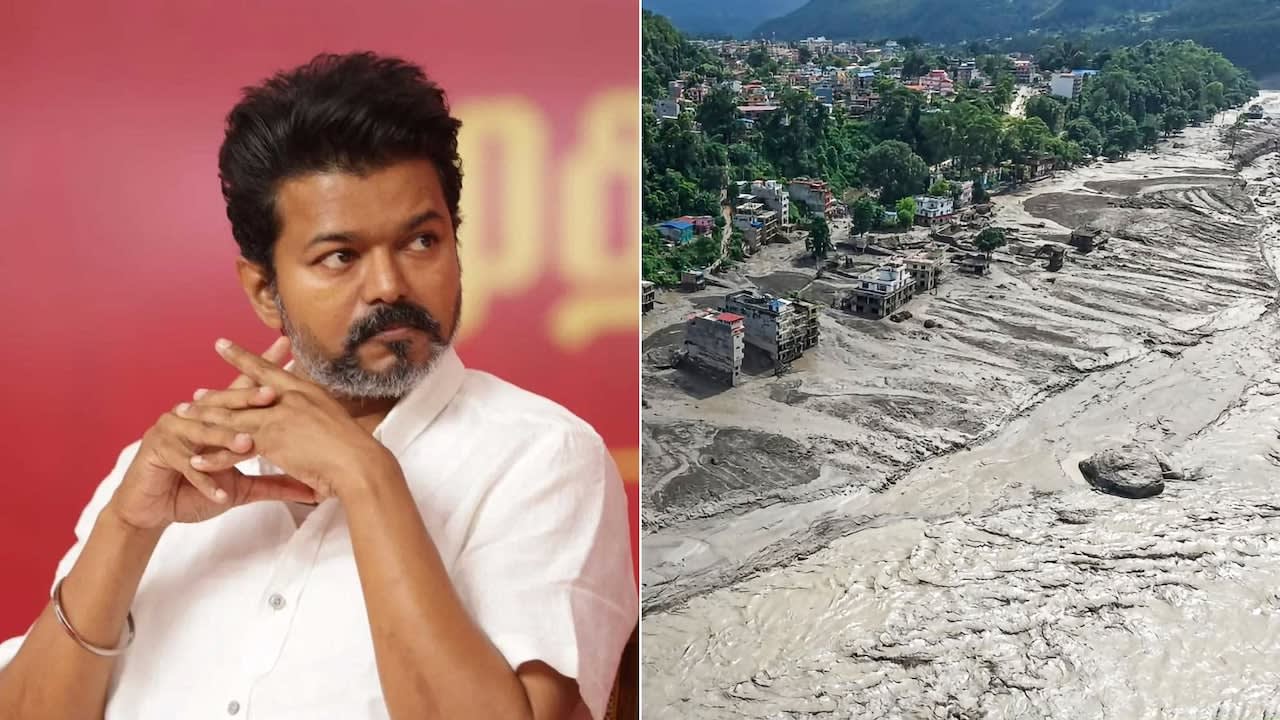
Nepal flash floods have triggered high-alert warnings for Indian border states due to surging river levels. Meanwhile, tensions have escalated in Raebareli, Uttar Pradesh, following the desecration of a Dr. B.R. Ambedkar statue.
Regional Crisis: Flooding Risks and Social Tensions in Uttar Pradesh
Cross-Border Hydrological Threats
Northern India faces a dual challenge as catastrophic weather events in Nepal threaten to exacerbate flooding in the Indo-Gangetic plains. The recent flash floods, occurring approximately 200 kilometers north of the Indian border, have caused significant devastation in Nepal’s mountain valleys. With the opening of barrage gates and heavy rainfall, critical river systems—specifically the Ghaghara, Rapti, Gandak, and Kosi—are under intense scrutiny. The influx of water from the Trishuli and Bhote Koshi rivers into the Gandak system creates an urgent hydrological risk for Uttar Pradesh and Bihar, necessitating high-level alerts across these states.
Humanitarian Implications of the Nepal Floods
Beyond the infrastructure concerns, the human cost of the Nepal flash floods is alarming. Reports indicate dozens of fatalities and a significant number of missing persons, including 105 Indian tourists. This tragic situation underscores the vulnerability of cross-border regions to extreme weather, which is often intensified by the challenging topography of the Himalayas. The disappearance of hundreds of tourists highlights the immediate need for coordinated search and rescue operations between Indian and Nepalese authorities.
Social Unrest in Raebareli
Simultaneously, the state of Uttar Pradesh is managing a sensitive social situation in Baburiha village, Raebareli. On August 25, 2026, the desecration of a statue of Dr. B.R. Ambedkar—a figure of profound national significance—by unknown miscreants triggered local outrage. The act of smearing mud and soot on the statue has been perceived as a targeted provocation, leading to immediate public demonstrations demanding accountability.
Law Enforcement Response and Stability
In response to the tension in Baburiha, law enforcement acted swiftly. The presence of the Additional Superintendent of Police and the Circle Officer of Unchahar was crucial in de-escalating the situation. By engaging directly with the villagers and promising a rigorous investigation into the identity of the culprits, authorities have managed to stabilize the immediate environment. However, the deployment of police as a precautionary measure remains necessary to prevent further unrest.
Future Trends and Conclusion
The confluence of natural disasters and localized social tensions presents a complex governance challenge for regional authorities. As climate patterns become increasingly unpredictable, the reliance on robust, real-time flood warning systems between India and Nepal will become even more critical to save lives. Concurrently, protecting historical and cultural symbols of national unity remains essential for maintaining social cohesion. Addressing these issues requires a balanced approach: technical readiness for environmental threats and proactive, transparent policing to maintain communal harmony.
Multiple Citing Sources
Verification Required?