Flash floods in Nepal again: Warning bells for Himalaya, lessons for India
Source Entity
Vidheesha Kuntamalla
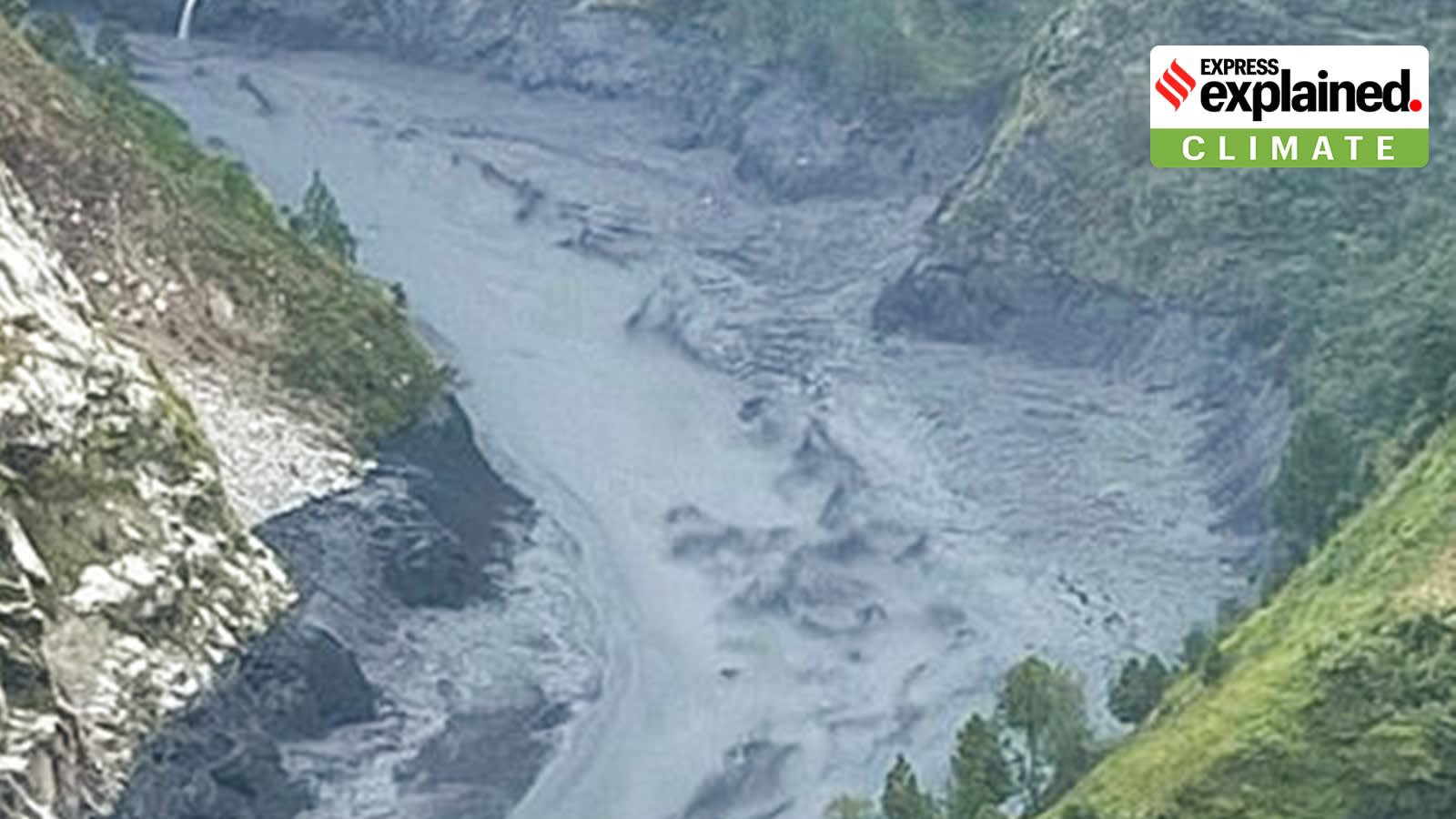
A devastating pre-dawn flash flood in Nepal's Manaslu region has destroyed critical infrastructure and left over 150 tourists stranded. The disaster, triggered by landslide-induced river blockages, underscores the growing instability of the Himalayan ecosystem.
The Himalayan Crisis: Analyzing the Gorkha Flash Floods
On October 11, the Manaslu trekking region in Nepal faced a catastrophic event as a pre-dawn flash flood roared through settlements along the Budhi Gandaki river. This surge, characterized by a violent mixture of mud, boulders, and debris, resulted in the destruction of nearly 40 houses, six bridges, and vital hydropower infrastructure. The event highlights the extreme vulnerability of Himalayan communities to sudden, geologically triggered disasters.
The Mechanism of Destruction
Preliminary investigations by authorities suggest that the immediate trigger for this surge was a landslide that blocked the Chumke Khola stream. When such natural dams fail, they release a sudden, high-velocity wall of water and sediment downstream. Experts suspect that a temporary blockage near Chekampar may have reached a breaking point, compounding the impact of the landslide above Siuribas. This phenomenon, known as a landslide dam outburst flood, is a recurring threat in steep, unstable mountainous terrains.
Humanitarian Impact and Response
The toll of this disaster is significant, with reports indicating up to 10 people missing and over 150 foreign tourists stranded in the remote trekking region. The timing of the flood—occurring in the early morning hours—could have led to a much higher death toll; however, early SMS warning systems proved critical, allowing many residents to flee to higher ground. The Nepal Army's rapid mobilization, which resulted in the rescue of 49 individuals, remains a bright spot in an otherwise devastating narrative.
A Pattern of Regional Instability
This latest tragedy occurs just 45 days after catastrophic floods along the Bhote Koshi-Trishuli river system, which resulted in over 1,450 deaths and thousands of missing persons. The repeated nature of these events in the Budhi Gandaki basin, a key tributary of the Trishuli, signals a worrying trend for the entire Himalayan range. The combination of retreating glaciers, increasingly unstable mountain slopes, and large volumes of loose sediment creates a precarious environment where even minor geological shifts can lead to massive downstream destruction.
Implications for India and the Himalaya
For neighboring India, the situation in Nepal serves as a stark warning. The shared geology of the Himalayas means that the same factors—unpredictable weather patterns, seismic vulnerability, and fragile slopes—threaten Indian mountain states. The need for cross-border cooperation in early warning systems, geological monitoring, and infrastructure design is more urgent than ever. As climate change accelerates glacial retreat, the frequency of these 'mountain tsunamis' is likely to increase, demanding a shift from reactive disaster management to proactive, data-driven resilience strategies.
Conclusion
The disaster in Gorkha is a sobering reminder of the fragile balance between human development and the volatile Himalayan landscape. While emergency response teams continue to manage the aftermath, the long-term challenge lies in understanding the complex interactions between sediment transport, landslide susceptibility, and extreme weather. Without robust mitigation and regional coordination, the communities and visitors within these high-altitude regions will remain at the mercy of an increasingly unpredictable environment.