Nepali founder wants to introduce Indians to delicious Himalayan food beyond momos: 'Sold 3 million thalis in Nepal'
Source Entity
Latest News: Todays Latest News Headlines from India & World | Hindustan Times | Hindustan Times
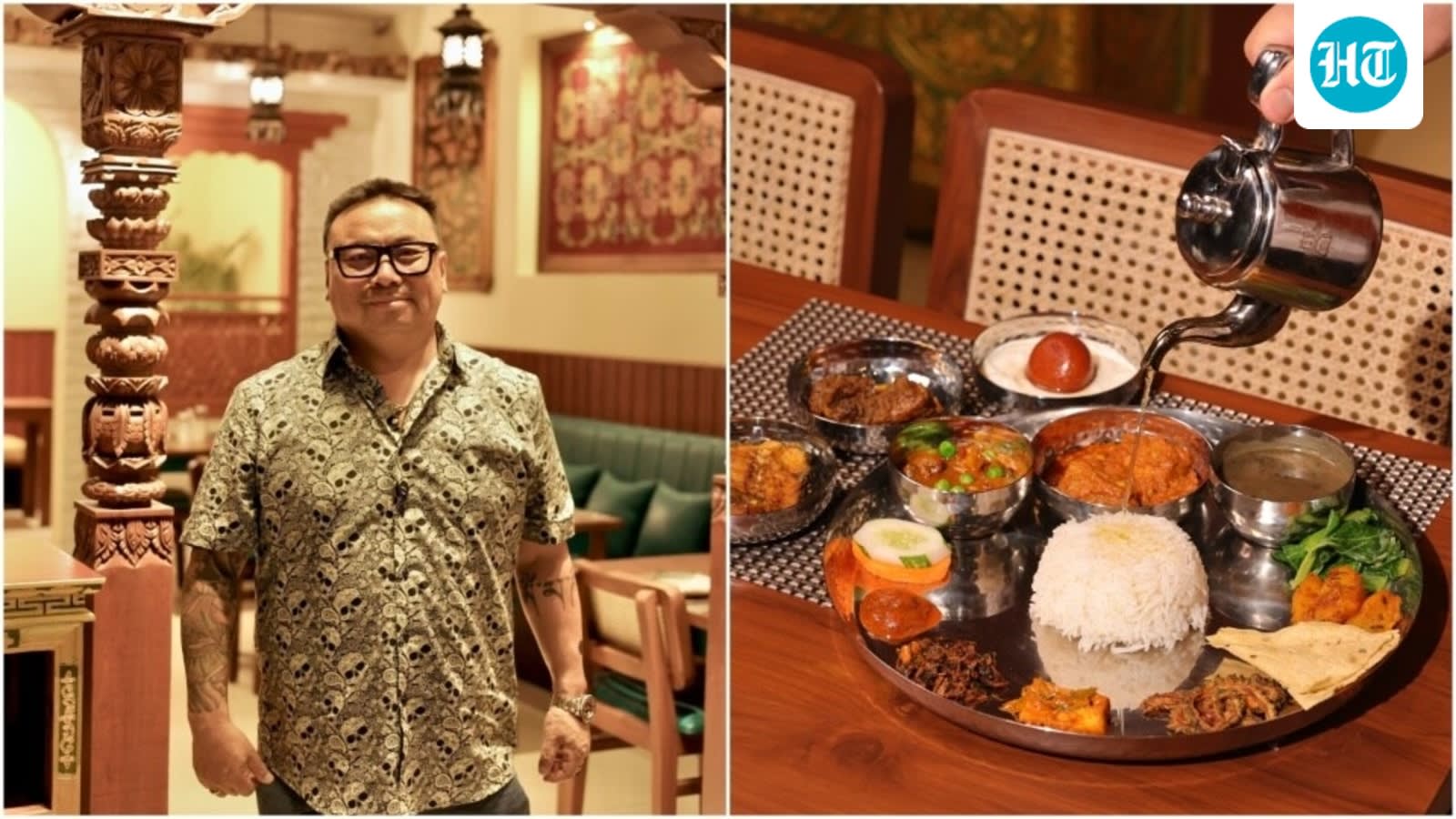
Nepali restaurant chain Jimbu Thakali has expanded into Gurugram, India, aiming to diversify the perception of Nepali cuisine beyond momos. Founder Vivek Man Sherchan plans to introduce Indian diners to authentic regional Thakali thalis and traditional mountain ingredients.
Redefining Nepali Gastronomy in India
For years, the culinary representation of Nepal in India has been largely synonymous with the momo—a beloved dumpling that has become a staple of Indian street food culture. However, this narrow focus obscures the complex, nutrient-dense, and deeply rooted culinary traditions of the Himalayan regions. The entry of Jimbu Thakali into the Indian market, specifically in the corporate hub of Gurugram, marks a significant shift in how regional Himalayan food is presented to an international audience.
The Vision of Vivek Man Sherchan
Vivek Man Sherchan, the founder and CEO of Jimbu Thakali, brings a proven track record to this expansion. Having successfully served over 3 million thalis in Nepal, Sherchan is leveraging his experience to test the appetite of the Indian consumer for more traditional fare. His strategy is not merely to open another restaurant, but to pivot the narrative of Nepali cuisine from a 'snack-based' identity to one defined by wholesome, provenance-led dining experiences.
Understanding the Thakali Culinary Heritage
At the heart of this expansion is the Thakali cuisine, originating from the Thak Khola region in the Mustang district of Nepal. Unlike the fast-food nature of momos, Thakali cooking is characterized by a balanced interplay of seasonal vegetables, high-altitude grains like buckwheat, and the distinct, aromatic herb known as 'jimbu'—a member of the onion family that gives the cuisine its signature flavor profile. By introducing items like buckwheat fries and elaborate thalis, the brand aims to educate diners on the agricultural heritage of the Himalayas.
Strategic Market Placement in Gurugram
Choosing Gurugram as the inaugural location is a calculated business decision. As a melting pot of corporate professionals and food enthusiasts with diverse palates, Gurugram provides the ideal demographic for a restaurant seeking to introduce 'niche' or 'authentic' regional cuisines. The move reflects a growing trend in the Indian food and beverage sector, where consumers are increasingly seeking 'story-driven' dining experiences that provide cultural context alongside sustenance.
Challenges and Future Outlook
While the market for momos is well-established, transitioning to a thali-based model requires a change in consumer perception regarding both price points and dining habits. The success of Jimbu Thakali will likely depend on their ability to maintain the authenticity of their ingredients while navigating the complexities of supply chains across the border. If successful, this venture could pave the way for a broader appreciation of Himalayan gastronomy across Indian metropolitan centers, potentially shifting the culinary landscape permanently.
Conclusion
The arrival of Jimbu Thakali in India is more than just a business expansion; it is a cultural bridge. By moving beyond the familiarity of the momo, Vivek Man Sherchan is inviting Indian diners to explore the rich, diverse, and historically significant culinary landscape of the Thakali people, signaling a sophisticated evolution in cross-border gastronomic exchange.
Verification Required?