BS-VI Cars Up To 6 Years Old Get 3-Year Pollution Certificate: New Rules Explained
Source Entity
NDTV News Search Records Found 1000
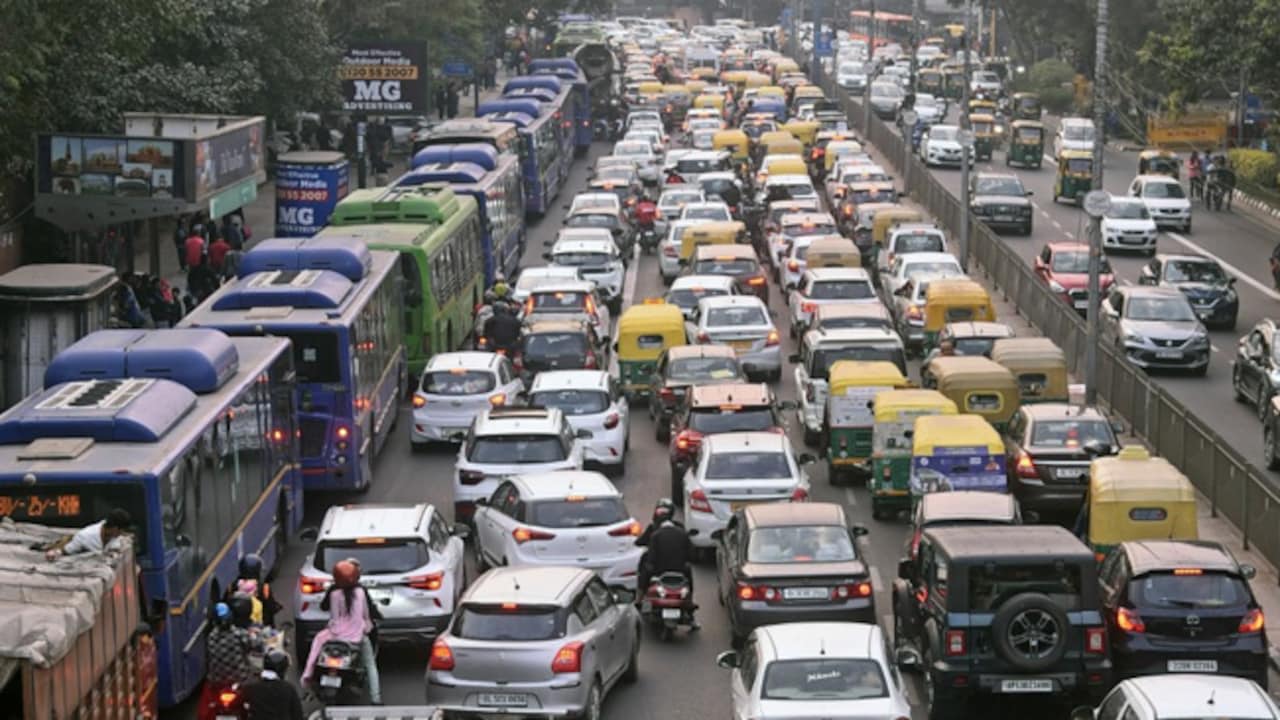
The Ministry of Road Transport and Highways has updated PUC certificate validity rules, favoring newer BS-VI vehicles with longer renewal intervals. Conversely, older vehicles and those exceeding 10 years of age face more frequent mandatory emission testing to ensure environmental compliance.
Evolution of Emission Compliance: Understanding the New PUC Regulations
The Ministry of Road Transport and Highways (MoRTH) has officially notified a significant overhaul of the Pollution Under Control (PUC) certificate framework. By recalibrating the validity periods for emission testing, the government aims to modernize the regulatory landscape for vehicular pollution. This shift reflects a strategic move to acknowledge the superior environmental performance of newer BS-VI-compliant vehicles while simultaneously tightening oversight on aging fleets that contribute disproportionately to urban air quality degradation.
Impact on BS-VI Private Vehicles
For owners of modern BS-VI private vehicles, the new regulations offer a welcome reduction in administrative burden. Vehicles up to six years old now enjoy a triennial (three-year) validity period, a substantial increase from the previous 12-month requirement. This policy recognizes the advanced emission control technologies integrated into newer models, which maintain lower emission profiles for longer durations, thereby reducing the need for frequent testing cycles for relatively new assets.
Stricter Oversight for Aging Fleets
While newer vehicles benefit from extended intervals, the government has adopted a more rigorous approach for older vehicles. The mandate for private BS-VI vehicles aged over 10 years requires renewal every six months, a sharp reduction from the prior annual standard. This tiered approach ensures that as a vehicle ages and its mechanical efficiency potentially declines, the frequency of emission monitoring increases, serving as a proactive measure to curb excess pollutants on the road.
Standardizing National Emission Protocols
Beyond specific age-based adjustments, the notification seeks to create a uniform standard for PUC validity across India. By standardizing these periods, the Ministry is removing regional discrepancies that previously complicated compliance for vehicle owners traveling across state lines. This uniformity is expected to streamline enforcement for traffic authorities and promote a more consistent national strategy toward vehicular emission management.
Broader Environmental and Economic Implications
These changes are symptomatic of a broader national push to improve air quality in major urban centers. By incentivizing the use of newer, cleaner vehicles through reduced compliance friction, the government is subtly steering the market toward greener alternatives. Conversely, the increased testing frequency for older vehicles acts as a fiscal and regulatory signal that maintenance of older internal combustion engines is becoming more demanding, likely encouraging owners to consider fleet renewal sooner.
Future Trends in Vehicle Regulation
Looking ahead, this regulatory framework suggests a future where emission monitoring becomes increasingly data-driven and dynamic. By linking certificate validity directly to vehicle age and technological standards, the Ministry is building a flexible system that can adapt to changing vehicle demographics. As India continues to transition toward stricter emission norms, we can expect further refinements in how transport authorities monitor the environmental impact of the millions of vehicles operating on public roads.
Multiple Citing Sources
Verification Required?