Ron Johnson’s Social Security gaffe buried important news
Source Entity
Brett Arends
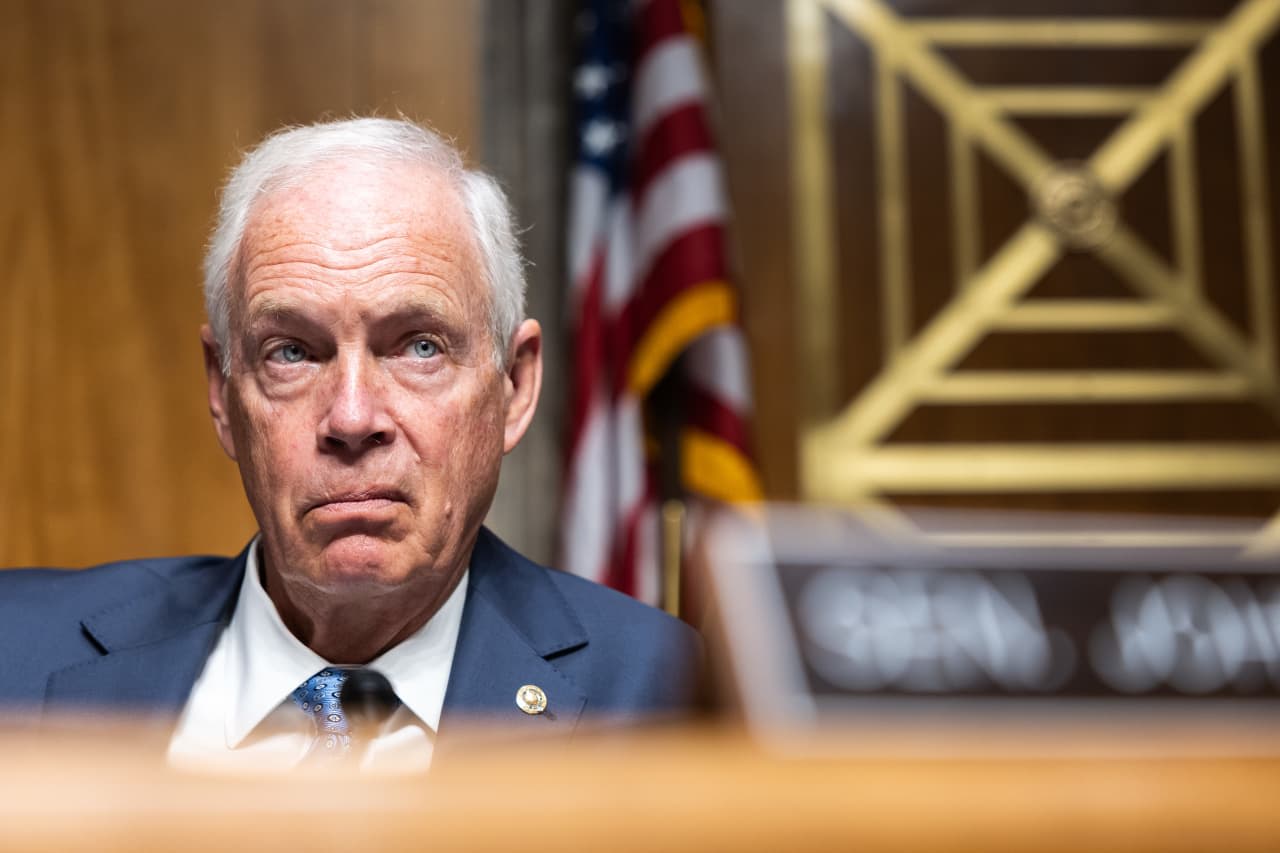
Senator Ron Johnson's controversial remarks during a Senate committee hearing derailed a productive discussion on Social Security reform. His comments diverted public attention away from the substantive policy debate intended for the session.
The Eclipse of Policy by Rhetoric
The recent Senate committee hearing concerning the future of Social Security was intended to serve as a platform for bipartisan deliberation on one of the most pressing fiscal challenges facing the United States. However, the proceedings were significantly overshadowed by controversial remarks made by Senator Ron Johnson of Wisconsin. Instead of focusing on the structural solvency of the Social Security trust funds, the national discourse quickly pivoted toward the political fallout of the Senator’s comments, highlighting a recurring pattern in modern governance where inflammatory rhetoric often supersedes substantive policy debate.
The Mechanics of the Distraction
The core issue at hand involves the diversion of legislative focus. By making statements that invited intense criticism and media scrutiny, Senator Johnson effectively pulled the oxygen out of the room. When a high-profile lawmaker makes remarks that diverge from the expected decorum of a committee hearing, the media cycle inevitably shifts to the controversy itself. This phenomenon leaves the actual work of the committee—discussing long-term economic stability and potential reforms for entitlement programs—buried beneath layers of political spin and partisan reaction.
Why Social Security Reform Remains Stalled
Social Security is a critical pillar of American retirement security, yet it faces looming insolvency that requires careful, bipartisan adjustment. Historical attempts to reform the system, such as those seen in the 1983 amendments, required significant cooperation and the ability to set aside partisan maneuvering. The recent incident in the Senate committee illustrates why such consensus is increasingly difficult to achieve. When the legislative process is disrupted by gaffes or strategic provocations, the public loses trust in the ability of elected officials to address complex, actuarial problems through reasoned dialogue.
The Impact on Legislative Productivity
Beyond the immediate news cycle, such distractions have long-term implications for the legislative agenda. Committees are meant to be the laboratories of policy, where experts and lawmakers vet ideas that eventually become law. When these sessions are derailed, the schedule for essential oversight is compromised. The loss of a 'useful' hearing is not merely a momentary setback; it represents a missed opportunity to educate the public on the necessity of reform and to build the political consensus required to prevent future benefit cuts or tax increases.
Future Trends in Political Communication
Looking forward, this event underscores the growing tension between political performance and legislative governance. As social media and 24-hour news cycles demand high-engagement content, lawmakers face increasing pressure to provide 'viral' moments. Unfortunately, these moments are often incompatible with the patient, tedious work required to reform complex systems like Social Security. Unless there is a shift toward prioritizing substantive deliberation over performative politics, the gap between the nation’s fiscal needs and the government's ability to act on them will likely continue to widen.
Conclusion
The incident involving Senator Ron Johnson serves as a cautionary tale regarding the fragility of the legislative process in a polarized environment. While the hearing was designed to address the vital task of stabilizing a foundational social program, it instead became a case study in how political narratives can obstruct essential governance. To ensure the long-term viability of Social Security, policymakers must find a way to insulate serious policy discussions from the disruptive influences of political theater.
Verification Required?