HT Picks; New Reads
Source Entity
Latest News: Todays Latest News Headlines from India & World | Hindustan Times | Hindustan Times
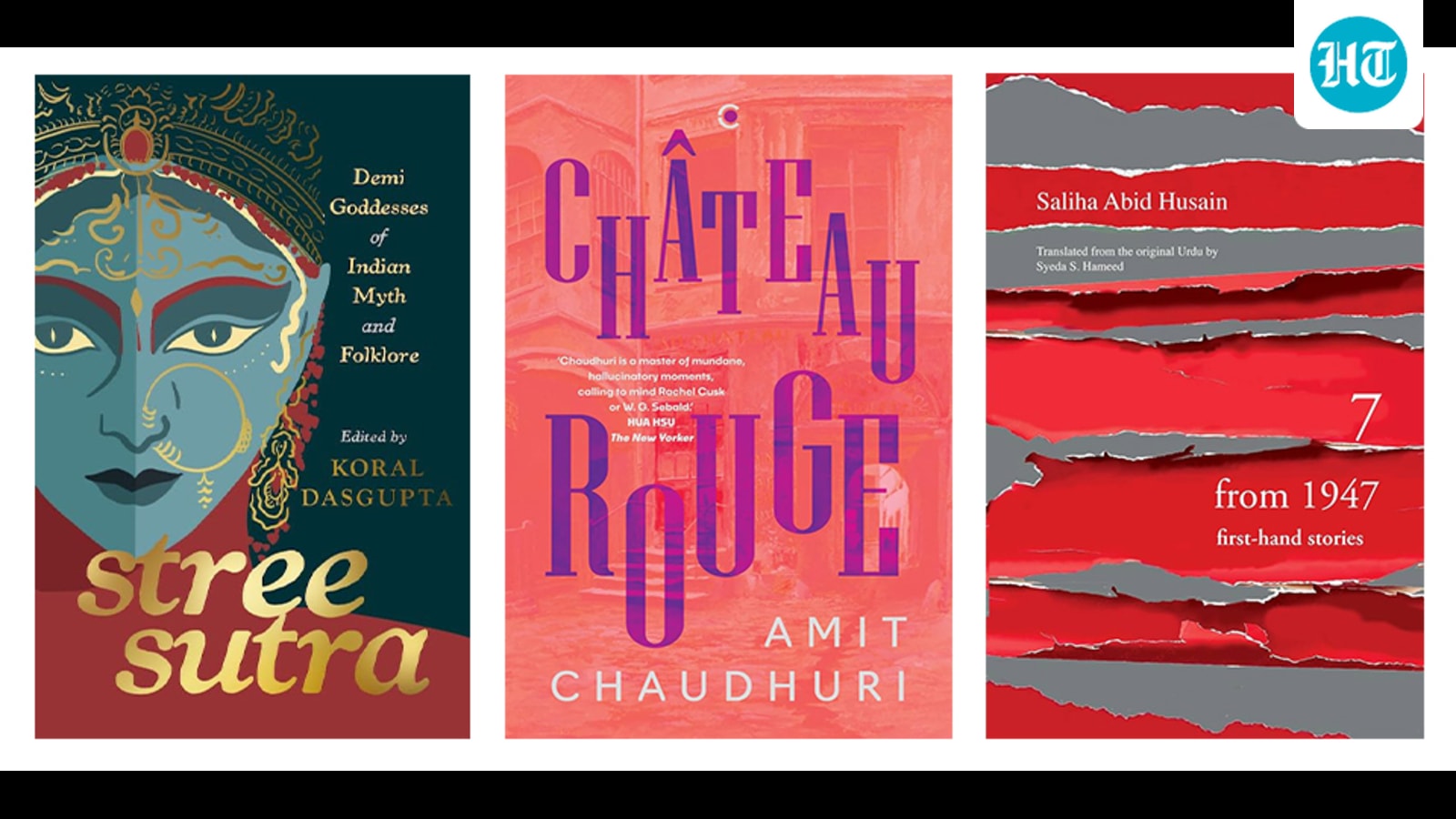
The latest literary releases feature a diverse anthology exploring the multifaceted nature of the Devi through myth and folklore. These selections highlight cultural narratives surrounding celestial figures and historical accounts of the Delhi Partition.
Exploring the Divine and the Historical: A Literary Overview
This week’s curated reading list offers a profound intersection of mythology, cultural identity, and historical documentation. By spotlighting an anthology dedicated to the various manifestations of the Devi, alongside narratives concerning the Partition in Delhi and themes of travel, these works invite readers to engage with the complex tapestry of the human experience. The inclusion of these specific titles underscores a growing literary interest in reclaiming folklore and revisiting pivotal historical moments that shaped modern regional consciousness.
The Pantheon of Celestial Women
At the forefront of these picks is an anthology that meticulously catalogs the diverse forms of the Devi. By drawing from a vast reservoir of myths, legends, and local folktales, the work features 22 distinct voices, including noted authors like Anand Neelakantan, K Hari Kumar, and Shinie Antony. This collaborative effort serves as a vital repository for stories of Apsaras, Yakshinis, Gandharvis, Nagas, and Yoginis—figures that have long existed in the periphery of mainstream epic retellings but are now being centered as powerful, autonomous guardians.
Ecological and Spiritual Guardianship
What distinguishes this anthology is its portrayal of the Devi not merely as a transcendental deity, but as a protector deeply integrated into the natural world. These celestial women are depicted as the spirits of forests, mountains, and river valleys, effectively bridging the gap between the divine and the environmental. This narrative choice reflects a broader trend in contemporary literature to interpret ancient beliefs as early forms of ecological stewardship, where the presence of the divine is inseparable from the soil and spirit of the land.
Historical Resonance and the Delhi Partition
The inclusion of an early record of the Partition as experienced in Delhi provides a stark, necessary contrast to the mythological themes. By documenting the lived reality of this traumatic historical juncture, the text serves as a witness to the shifting demographics and social fabric of the capital during a time of immense upheaval. When read alongside the anthology, these works suggest a dual focus: one that seeks to preserve the ancient, mythic past, and another that confronts the painful, formative realities of the recent past.
Thematic Depth: Travel and Otherness
Finally, the addition of a meditative novel exploring 'travel and otherness' rounds out the selection, offering a philosophical lens through which to view the other titles. This theme of 'otherness' creates a thematic bridge between the mythological beings who inhabit the margins of traditional epics and the displaced individuals who navigated the trauma of the Partition. It prompts the reader to consider the concept of the 'outsider' in both spiritual and societal contexts.
Conclusion: A Diverse Literary Landscape
In summary, the current reading recommendations represent a sophisticated effort to synthesize cultural heritage with historical inquiry. By providing a platform for 22 diverse voices to breathe life into lesser-known figures, the anthology ensures that these myths remain relevant to a modern audience. Combined with the historical weight of the Delhi Partition record, these books offer a comprehensive look at the forces—both divine and human—that define our collective history and identity.
Verification Required?