Review: Persian Nights by Alaka Rajan Skinner
Source Entity
Latest News: Todays Latest News Headlines from India & World | Hindustan Times | Hindustan Times
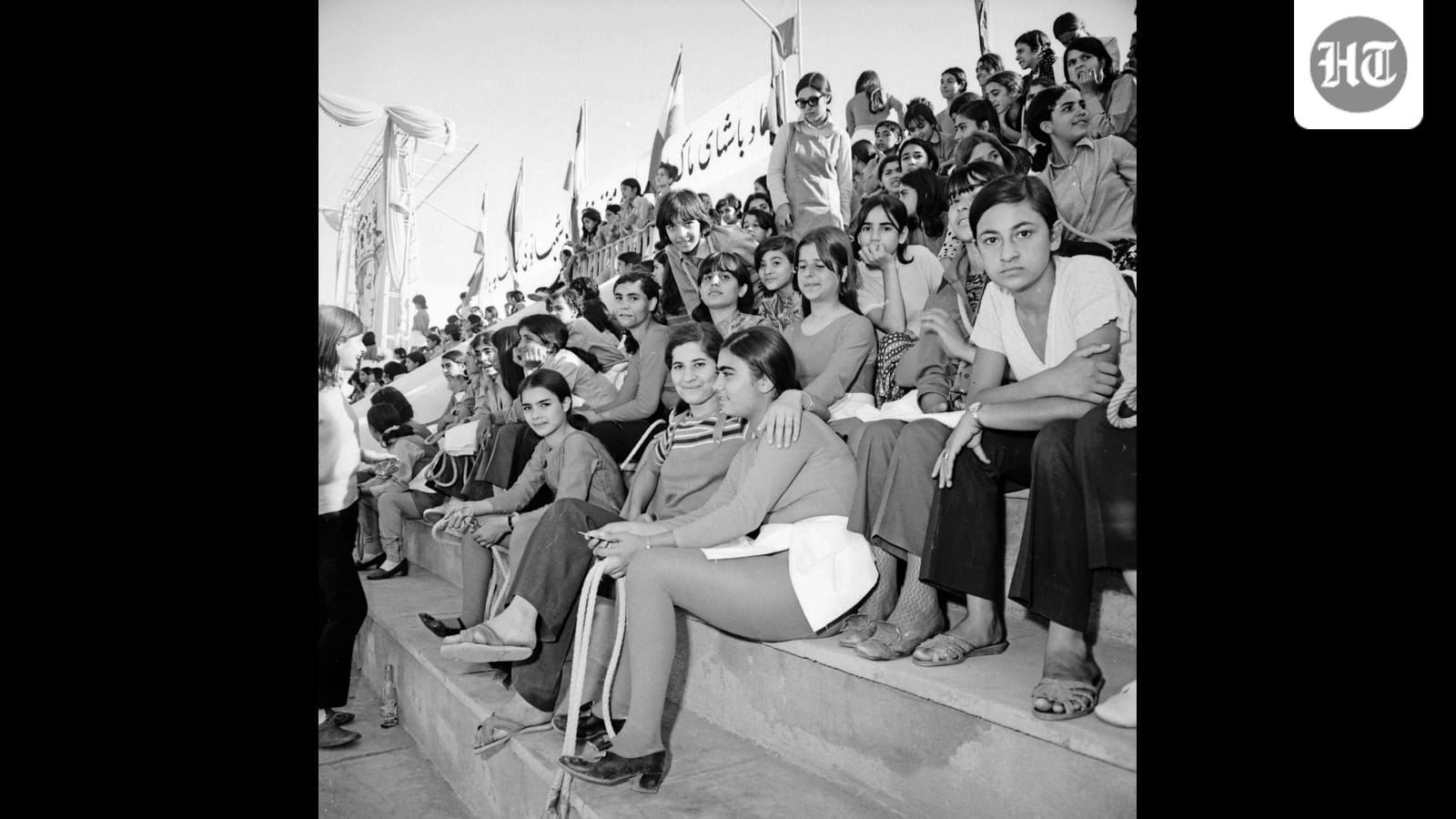
Alaka Rajan Skinner’s graphic novel, 'Persian Nights: An Indian Child in Iran', offers a poignant memoir of her childhood in 1970s Iran. The work highlights the cultural intersections between India and Iran, particularly through shared culinary traditions during a period of significant historical transition.
A Cultural Tapestry: Reviewing 'Persian Nights'
Alaka Rajan Skinner’s graphic novel, Persian Nights: An Indian Child in Iran, serves as a unique historical document that captures the lived experience of an Indian expatriate family residing in Tehran during the 1970s. By centering the narrative on her father’s tenure as a professor at Tehran University, Skinner provides a rare, grounded perspective on a decade that would ultimately culminate in the Iranian Revolution. The memoir functions as both a personal reflection and an ethnographic observation of a nation poised on the brink of profound transformation.
The Intersection of Culinary Heritage
One of the most compelling aspects of the graphic novel is its detailed exploration of the culinary parallels between India and Iran. Skinner observes the striking overlap in the use of aromatic spices—such as saffron, turmeric, cardamom, and cumin—which form the backbone of both nations' traditional cuisines. This synthesis of flavor profiles illustrates a deep-seated historical and cultural connection between the two regions, bridged further by the shared availability of nuts and dried fruits like pistachios and dates in the Iranian landscape.
Life Before the Turning Point
Set against the backdrop of the 1970s, the narrative captures a decade of cultural richness and relative stability before the political upheaval that defined the end of the era. For a young child, these years represented a period of formative discovery. Skinner’s memoir highlights how the daily rhythms of life, such as the preparation of meals and the adaptation to a foreign environment, became the primary lens through which she understood her own identity as an Indian child growing up abroad.
The Graphic Novel as Historical Narrative
Utilizing the graphic novel medium allows Skinner to visually reconstruct the atmosphere of Tehran during this specific historical window. This artistic choice is particularly effective for memoirs, as it preserves the sensory details of the author's childhood memories—the colors of the markets, the architecture of the city, and the warmth of the family home. By documenting these personal vignettes, the author preserves a humanized version of history that often gets lost in broader political analyses.
Broader Implications and Legacy
Persian Nights contributes to a growing body of literature that explores the 'expatriate experience' in the Middle East. It reminds the reader that history is not merely a collection of political events but a mosaic of individual lives, family migrations, and cultural exchanges. As the author notes, Iran was an 'extremely important part' of her upbringing, and by sharing this story, she invites the reader to look past contemporary headlines to see the enduring beauty and heritage of a country that served as a home to many.
Conclusion
Ultimately, Alaka Rajan Skinner’s work is a testament to the resilience of cultural memory. By mapping her personal journey onto the timeline of 1970s Iran, she provides a bridge between her Indian heritage and the Iranian environment she inhabited. The book stands as a significant contribution to graphic literature, demonstrating the power of visual storytelling to evoke empathy and bridge the gaps between disparate cultures.
Verification Required?