HT Picks; New Reads
Source Entity
Latest News: Todays Latest News Headlines from India & World | Hindustan Times | Hindustan Times
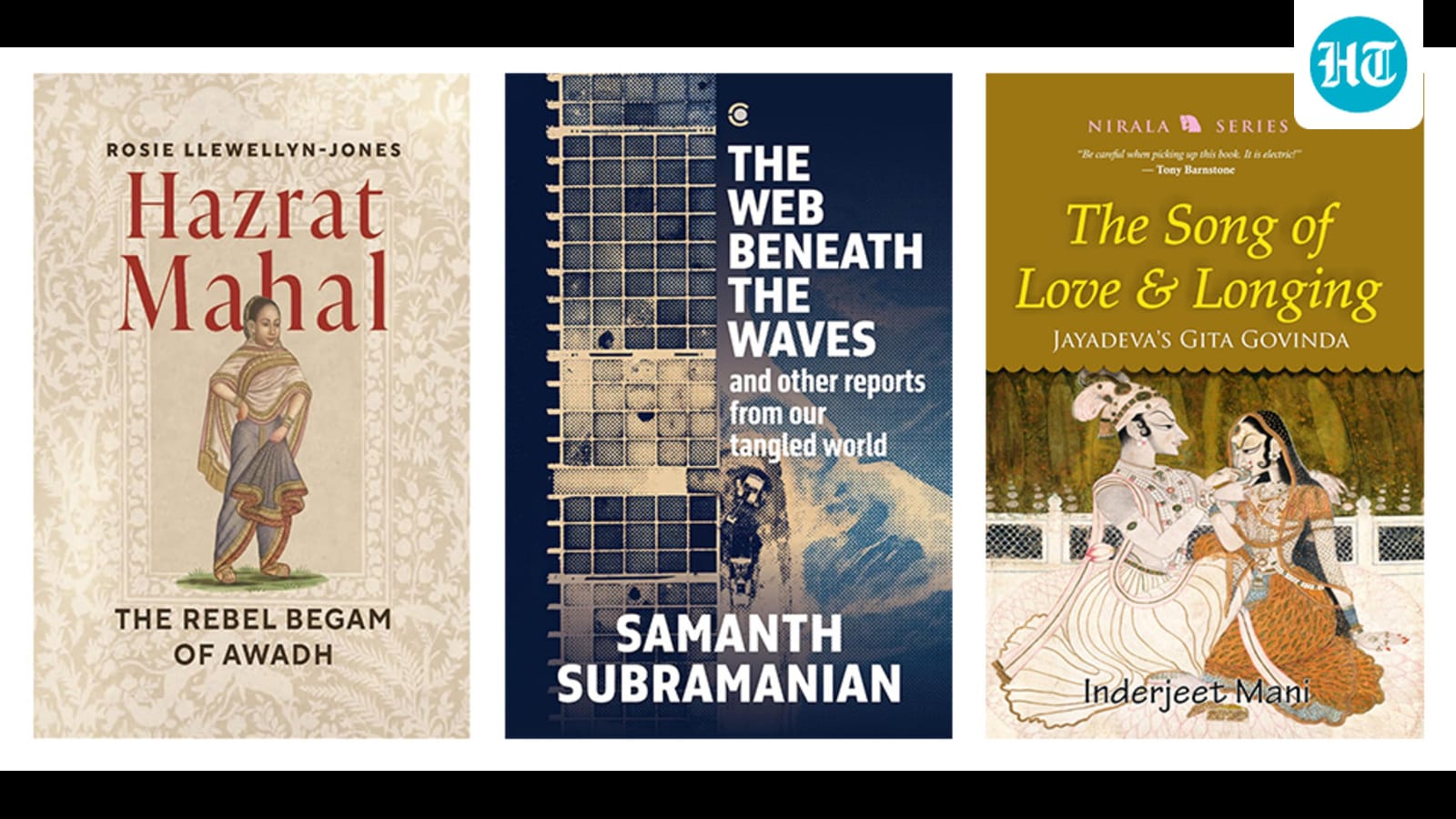
Recent literary releases highlight historical narratives, including the life of Begam Hazrat Mahal during the 1857 uprising. These works explore India's complex past and the modern digital landscape.
Unveiling Historical and Literary Perspectives
This week’s curated reading list offers a profound intersection between historical biography, classical literature, and modern technological infrastructure. By highlighting the life of Begam Hazrat Mahal, a contemporary translation of the Gita Govinda, and an investigation into the Internet's physical architecture, these works provide a multidimensional view of both the forces that shaped India and the systems that define our current reality.
The Elusive Legacy of Begam Hazrat Mahal
The most compelling entry focuses on the life of Begam Hazrat Mahal (1820–1879), a figure who occupies a significant yet often misunderstood space in Indian history. Born to a domestic servant and a mother of likely African ancestry, her early life remains shrouded in ambiguity. Her trajectory from a member of the Pari Khana—the royal harem—to a central figure in the First War of Independence illustrates the social fluidity and volatility of the mid-19th century in Awadh.
The Impact of the 1856 Annexation
The annexation of Awadh by the East India Company in 1856 serves as the crucible for Hazrat Mahal’s political awakening. Following the deposition of Wajid Ali Shah, the sudden and brutal nature of the takeover created a vacuum of power and a surge of public resentment. This historical juncture is critical, as it directly set the stage for the widespread resistance that would characterize the events of 1857, positioning Hazrat Mahal as a key leader attempting to unite disparate factions against colonial rule.
Literary and Digital Evolution
Beyond historical biography, the inclusion of a modern translation of the Gita Govinda highlights the enduring relevance of classical Sanskrit poetry in contemporary discourse. By bridging the gap between ancient devotional literature and modern readers, such translations ensure that the cultural heritage of the subcontinent remains accessible. Simultaneously, the focus on the 'unseen circulatory system' of the Internet provides a necessary counterpoint, grounding our digital existence in the physical cables and infrastructure that sustain global connectivity.
Synthesis and Broader Implications
These selections collectively underscore the importance of re-examining the 'unseen' aspects of history and technology. Whether it is the marginalized voice of a woman who challenged the British Empire or the physical pathways that power our digital world, these works demand a more nuanced engagement with the structures of power. Understanding the origins of resistance and the mechanisms of modern communication allows for a more comprehensive grasp of how history continues to exert influence on contemporary India.
Concluding Reflections
Ultimately, these picks serve as an intellectual roadmap for those seeking to understand the complexities of the past and the underpinnings of the present. By weaving together the personal struggles of a 19th-century royal, the timeless verses of the Gita Govinda, and the intricacies of the digital age, this collection encourages a holistic approach to historical and technological literacy.
Verification Required?