New York becomes first state to impose one-year pause on new AI datacenters
Source Entity
Sanya Mansoor
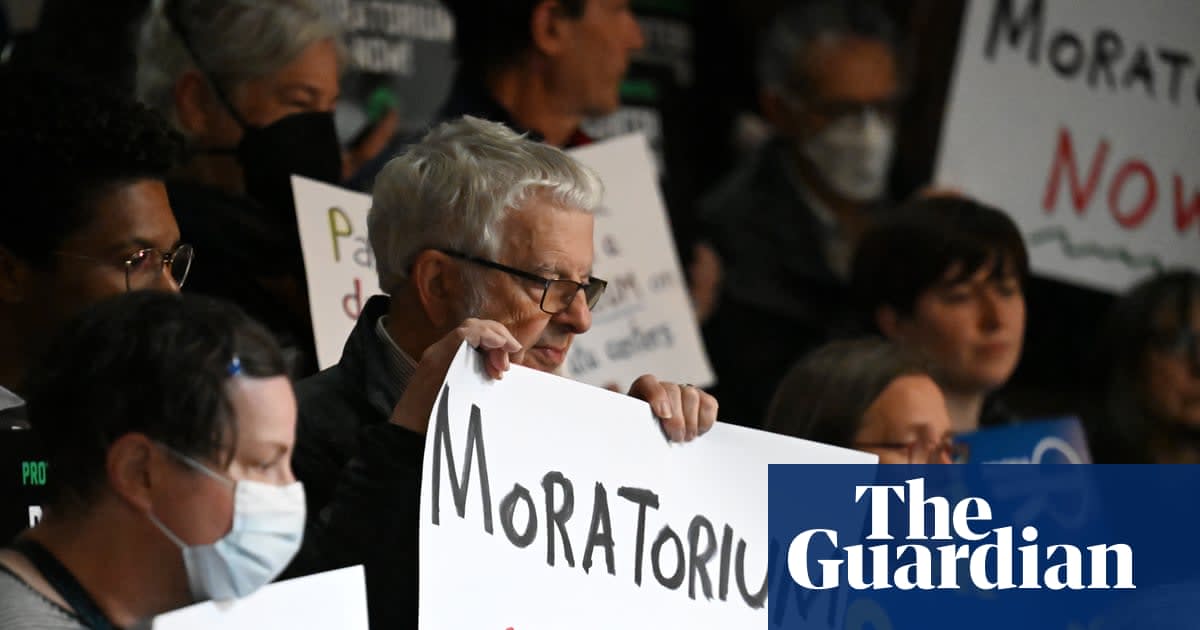
New York Governor Kathy Hochul has issued an executive order implementing a one-year statewide moratorium on the construction of new, large-scale AI datacenters, making New York the first US state to pause these resource-intensive facilities.
New York's Strategic Pause: Analyzing the AI Datacenter Moratorium
In a landmark decision that signals a shift in the intersection of technological ambition and environmental sustainability, Governor Kathy Hochul has issued an executive order mandating a one-year moratorium on the construction of new, large-scale AI datacenters across New York State. This unprecedented move makes New York the first state in the U.S. to formally halt the expansion of the physical infrastructure required to power the generative AI revolution. The moratorium targets 'resource-intensive' facilities, specifically those designed to house the massive GPU clusters necessary for training and deploying large language models (LLMs).
The Resource Crisis: Power and Water
The primary driver behind this executive order is the staggering resource demand associated with modern AI infrastructure. Unlike traditional cloud computing, AI datacenters require exponentially more electricity to power high-performance chips and massive quantities of water for thermal cooling. As New York strives to meet its ambitious climate goals and transition to a green economy, the sudden surge in energy demand from AI facilities threatens to strain the existing electrical grid. By implementing this pause, the state is effectively acknowledging that the pace of AI hardware deployment has outstripped the pace of utility infrastructure upgrades, creating a potential risk for grid stability and energy price inflation for residents.
Economic Friction and the Tech Industry
This moratorium is likely to create significant friction between the state government and the "Big Tech" giants—such as Microsoft, Google, and Amazon—who are currently in a global arms race to build more compute capacity. For these companies, a one-year delay is not merely a scheduling inconvenience but a strategic setback in the race for AI supremacy. However, Governor Hochul's move suggests a new regulatory philosophy: that the 'move fast and break things' ethos of the tech industry cannot be applied to critical public utilities and environmental resources. This creates a precarious balance where New York must weigh the economic benefits of being an AI hub against the long-term costs of environmental degradation and infrastructure failure.
The Strategic Utility of a One-Year Pause
Rather than a permanent ban, the one-year timeframe suggests that this is a 'cooling-off' period intended for rigorous planning. During this window, the state is expected to develop more stringent zoning laws, environmental impact assessment protocols, and energy-efficiency requirements for any future facilities. This period allows the state to determine where datacenters can be placed without compromising local water tables or overloading regional power substations. It essentially forces developers to pivot toward "Green AI"—investing in more efficient cooling technologies or integrating on-site renewable energy sources before they are permitted to break ground.
A Potential Blueprint for Other States
New York's decision is likely to serve as a bellwether for other tech-heavy states. Regions like Virginia (the data center capital of the world) and California are facing similar pressures regarding energy consumption and water scarcity. If New York successfully navigates this moratorium without suffering a massive flight of capital or talent, other state governors may adopt similar frameworks to regain control over their industrial landscapes. This could lead to a fragmented regulatory environment across the U.S., where AI development is steered not just by venture capital, but by state-level environmental and utility mandates.
Conclusion: The Future of Sustainable Compute
Ultimately, Governor Hochul's executive order highlights a critical turning point in the AI era: the realization that virtual intelligence relies on a very physical, and very limited, set of resources. While the moratorium may temporarily slow the physical expansion of AI in New York, it pushes the industry toward a more sustainable model of growth. The coming year will be a litmus test to see if the tech industry can innovate its way out of its resource dependency or if the physical limits of the earth will become the primary bottleneck for the evolution of artificial intelligence.