Tyeb, Bawa, Raza: NGMA Mumbai wants to display priceless ‘seized artwork’, writes to CBI
Source Entity
Nirbhay Thakur
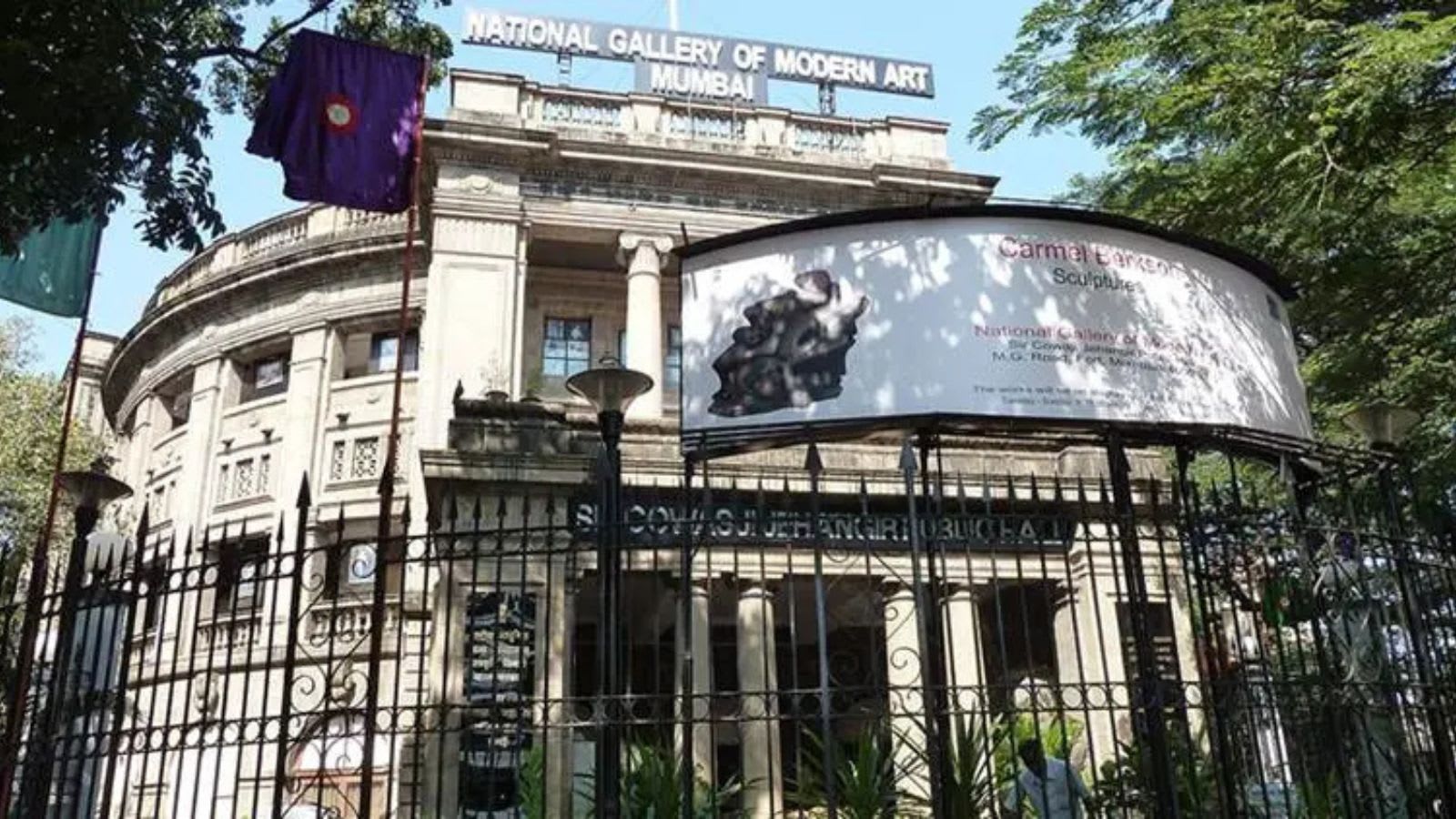
The National Gallery of Modern Art (NGMA) in Mumbai has requested permission from the CBI to display 65 seized artworks linked to the DHFL fraud case. These high-value paintings by artists like Tyeb Mehta and Manjit Bawa are currently held in storage while legal proceedings continue.
The Intersection of Law and Art: The DHFL Seized Collection
The National Gallery of Modern Art (NGMA) in Mumbai has initiated a formal process to bring 65 high-value artworks into the public eye. These pieces, which include significant works by renowned Indian masters such as Tyeb Mehta and Manjit Bawa, are currently held by the institution but remain inaccessible to the public. The barrier to exhibition is legal in nature; these paintings were seized as part of the massive investigation into the Rs 34,000-crore Dewan Housing Finance Limited (DHFL) financial fraud case.
The Legal Impasse
At the heart of this request is the status of 'case property.' Under Indian law, assets seized during criminal investigations, particularly those involved in large-scale financial crimes, are often held in secure storage to preserve their evidentiary value. Because these artworks are tied to individuals facing trial, the NGMA cannot independently decide to display them. Nidhi Choudhari, the Director of NGMA Mumbai, has officially petitioned the Central Bureau of Investigation (CBI) to allow these works to be integrated into curated exhibitions, marking a significant attempt to repurpose seized assets for cultural benefit.
Artistic Valuation and Cultural Significance
The collection in question represents a significant segment of modern Indian art history. A single painting by Tyeb Mehta, valued at approximately Rs 27 crore, and a piece by Manjit Bawa, valued at over Rs 7.7 crore, underscore the immense financial and cultural weight of these items. By seeking to display these works, the NGMA is effectively arguing that the public should not be deprived of access to national treasures simply because they were involved in a criminal financial scandal.
Procedural Developments
Following the request from the NGMA, the CBI has taken the necessary procedural steps to address the query. The agency has filed an application before Special Judge Sanjeev Kumar Malhotra at the Rouse Avenue Court in Delhi. This move signals a collaborative effort between law enforcement and cultural institutions to navigate the complex legalities of holding 'seized' property that also serves as a public heritage asset.
Future Implications for Seized Assets
The outcome of this court application could set a precedent for how the state manages high-value luxury assets seized during white-collar crime investigations. If the court permits the display, it may create a framework where cultural institutions can serve as custodians for seized art, ensuring that the works are maintained in climate-controlled, professional environments rather than standard police warehouses. This would preserve the integrity of the art while simultaneously enriching the public sphere, provided that the legal chain of custody remains strictly monitored throughout the exhibition process.