Twenty women had breasts removed unnecessarily during cancer treatment, NHS trust admits
Source Entity
BBC News
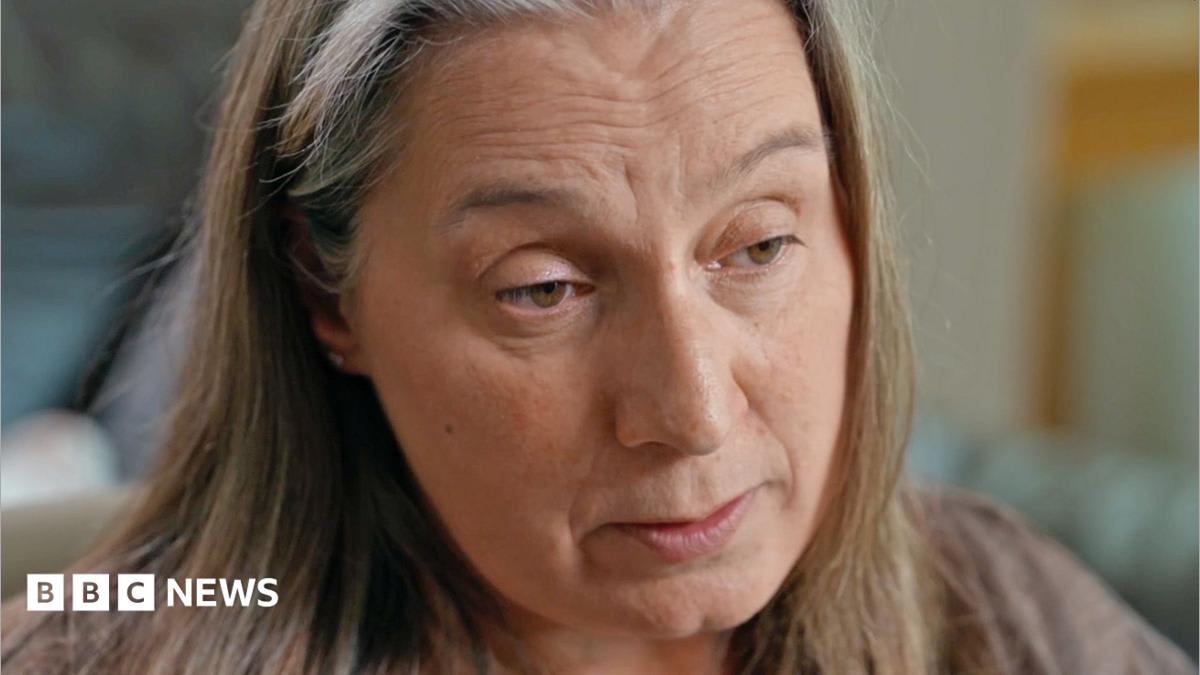
The County Durham and Darlington Foundation Trust has admitted that twenty women underwent unnecessary mastectomies due to serious clinical failures. Hundreds of patients were harmed at the unit, prompting an unreserved apology from the trust's new chief executive.
Medical Scandal at County Durham and Darlington Foundation Trust
A Devastating Admission of Clinical Failure
In a harrowing development for the National Health Service (NHS), the County Durham and Darlington Foundation Trust (CDDFT) has formally admitted that twenty women were subjected to unnecessary mastectomies. This clinical failure, occurring within the trust’s breast unit, represents a profound breach of medical trust and patient safety. These women were part of a much larger cohort, with the trust acknowledging that hundreds of patients suffered harm due to substandard treatment protocols and systemic failures within the department.
Context and Historical Scope
This admission follows extensive scrutiny and reporting by the BBC, which first brought the serious failures within the CDDFT breast unit to public attention last year. The revelation that patients were undergoing invasive, life-altering surgeries without medical justification indicates a long-standing breakdown in diagnostic or clinical governance. The scale of the harm—affecting hundreds of individuals—suggests that these were not isolated errors but rather symptoms of a deeper institutional failure that persisted over a significant period.
The Human Cost of Negligence
Among those directly impacted is Denise Howarth, whose testimony highlights the profound psychological and physical trauma inflicted by these unnecessary procedures. For a patient, a mastectomy is a life-changing event involving permanent physical alteration and significant emotional recovery. Learning that such a procedure was clinically unwarranted adds a layer of profound betrayal to the patient’s health journey, underscoring the irreversible nature of the harm caused by the trust’s negligence.
Institutional Accountability and Apology
Steve Russell, the newly appointed chief executive of CDDFT, has issued an unreserved apology for the harm caused. Describing the events as "utterly unacceptable," Russell’s statement serves as an attempt to pivot the trust toward transparency and accountability. However, the apology, while necessary, highlights the urgency of the situation: the trust must now reconcile the internal failures that allowed such errors to occur on a mass scale, and ensure that the victims receive the support and recognition they deserve.
Broader Implications for Healthcare Governance
This case serves as a stark reminder of the critical importance of robust clinical oversight within the NHS. When diagnostic pathways fail, the results are catastrophic for patients. The situation at CDDFT will likely trigger wider investigations into how such failures remained hidden for so long and what systemic safeguards must be implemented to prevent recurrence. As the trust navigates this crisis, the focus must remain on the long-term rehabilitation of the affected women and a thorough reform of the breast unit's operational standards to restore public confidence in the regional health service.