NIA drops UAPA against American, 6 Ukrainians held in 'terror link' case
Source Entity
KOUSHIKI SAHA
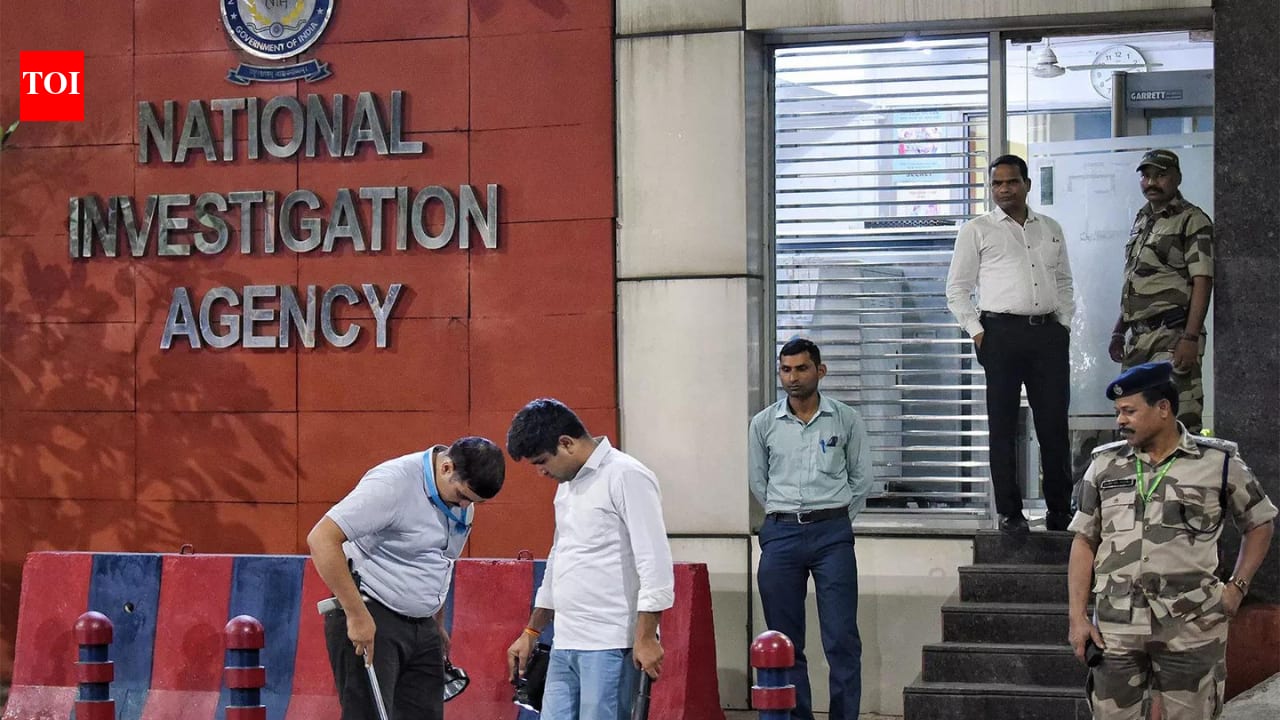
The NIA has chargesheeted seven foreign nationals, including a US citizen, for illegal entry and movement in India without mandatory permits. While the case originated under anti-terror suspicion, the agency has currently opted for Immigration Act charges rather than the UAPA, with further investigation pending.
NIA Legal Strategy in Foreign National Case
Shift in Legal Approach
The National Investigation Agency (NIA) has officially filed a chargesheet against seven foreign nationals—a US citizen, Matthew Aaron Van Dyke, and six Ukrainians—for their involvement in an alleged conspiracy related to training anti-India forces. Notably, while the case was originally registered under the stringent Unlawful Activities (Prevention) Act (UAPA) in April, the current chargesheet does not invoke these anti-terror provisions. Instead, the NIA has leveled charges under sections 21 and 23 of the Immigration and Foreigners Act, 2025.
The Charges: Immigration Violations
The primary accusation detailed in the chargesheet pertains to the unauthorized movement of these individuals. Although the accused held valid travel documents, they failed to obtain the mandatory Protected Area Permit (PAP) required for entry into Mizoram. This administrative failure has become the focal point of the current legal proceedings, as the group was intercepted across multiple airports, highlighting a lapse in compliance with India's border and regional security protocols.
Contextualizing the Investigation
The initial registration of the case under the UAPA suggests that the NIA had significant intelligence or suspicion regarding the group's activities, specifically their alleged links with ethnic armed groups and the training of anti-India forces. The decision to move forward with immigration charges rather than terror charges indicates a bifurcated legal strategy. By addressing the clear-cut violations of the Foreigners Act first, the agency secures a legal foothold while simultaneously buying time for a more complex probe.
Future Legal Implications
The NIA has explicitly stated that its investigation into the UAPA-related aspects of the case remains ongoing. This signifies that the current chargesheet may not be the final word on the matter. Should the agency gather sufficient evidence to establish a link to terror-related activities or anti-state subversion, a supplementary chargesheet invoking the UAPA could be filed at a later date. This tiered approach allows the prosecution to maintain pressure on the accused while conducting a deep-dive forensic analysis of the group’s digital and physical interactions.
Broader Security Considerations
This case underscores the heightened sensitivity surrounding India’s border regions, particularly in states like Mizoram that fall under the Protected Area Permit regime. The government mandates these permits to monitor the movement of foreign nationals in sensitive zones, a policy designed to mitigate risks posed by external actors. The interception of this group at multiple airports serves as a case study in the efficacy of India's integrated intelligence and border control monitoring systems.
Conclusion
In summary, the NIA's decision to pivot toward the Immigration and Foreigners Act marks a tactical shift in handling foreign nationals suspected of security breaches. While the immediate charges focus on permit violations, the potential for future escalation remains high as the NIA continues its probe into the alleged training of anti-India forces. The outcome of this case will likely set a precedent for how foreign entities operating in sensitive Indian territories are held accountable under both administrative and national security laws.