Night walk at Sarkhej Roza: How 15th century monument re-lit story of Ahmedabad’s origins
Source Entity
The Indian Express
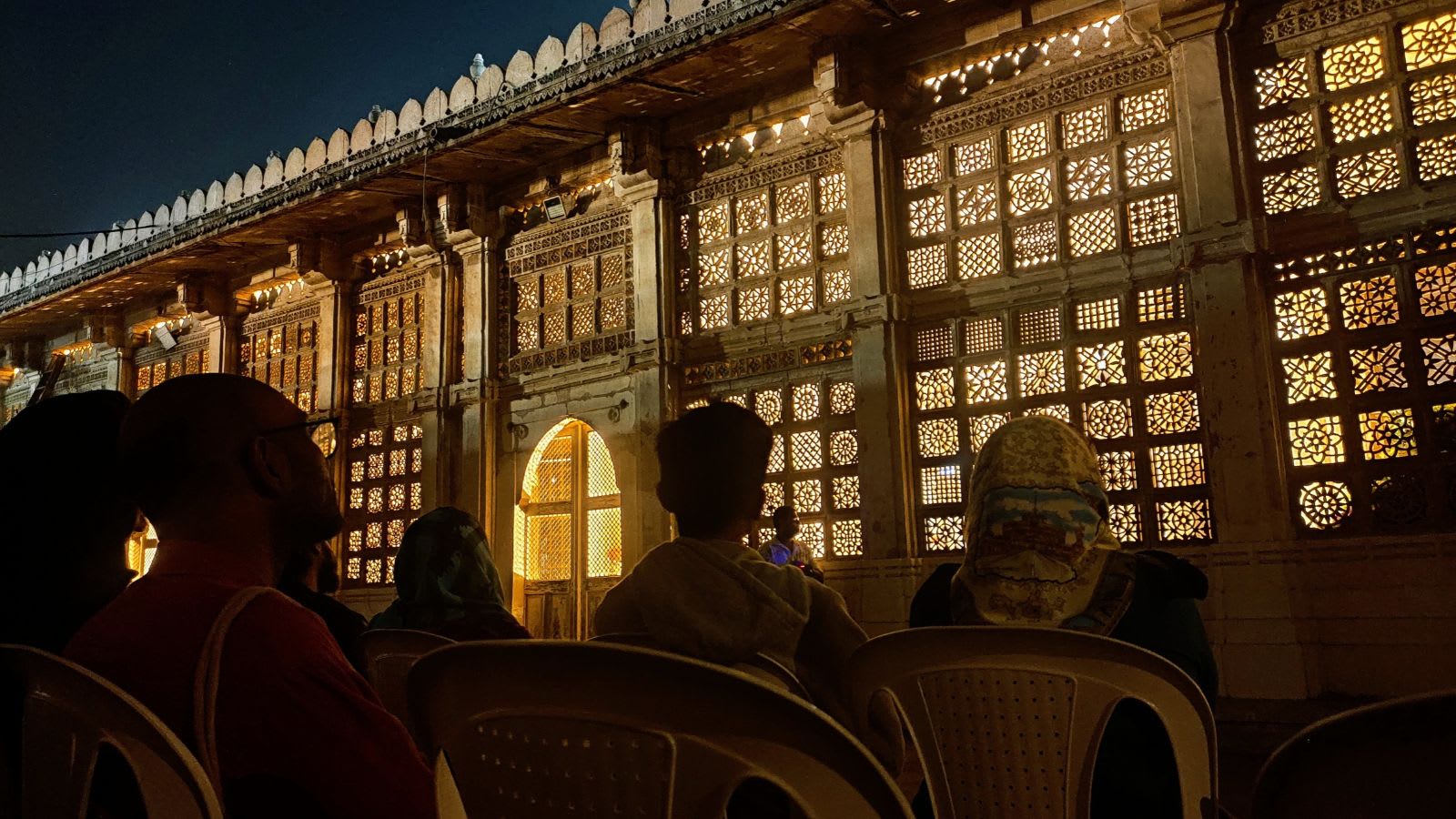
A night-time exploration of the 15th-century Sarkhej Roza in Ahmedabad offered a new perspective on its architectural mastery. Architect Keshav Akkitham noted how the monument's intricate stone lattice work creates unique light and shadow patterns under nocturnal illumination.
Rediscovering Ahmedabad: The Nocturnal Allure of Sarkhej Roza
Sarkhej Roza, a sprawling 15th-century architectural complex in Ahmedabad, has long been a subject of fascination for historians and architects alike. Recently, the monument served as the backdrop for a unique exploration led by local architect Keshav Akkitham, who sought to experience the site after dusk. While typically appreciated for its daytime play of light, the monument reveals a different, more somber aesthetic when illuminated under the night sky.
The Architecture of Light and Shadow
At the heart of the experience is the sophisticated use of jaalis, or stone lattice work, which is a hallmark of the Indo-Saracenic style prevalent in Gujarat. Akkitham’s observation highlights the intentionality of the medieval architects; by manipulating light, they turned static stone walls into dynamic canvases. The interaction between the nocturnal illumination and the geometric perforations creates intricate shadows that transform the spatial perception of the courtyard and prayer halls.
Historical Significance of the Site
Sarkhej Roza is more than just a monument; it is a vital piece of Ahmedabad’s origin story. Constructed during the reign of Sultan Ahmed Shah, the site serves as a testament to the cultural synthesis of the era. The architectural language utilized here—combining indigenous construction techniques with Islamic design sensibilities—laid the groundwork for the city's later development. Experiencing the site at night allows visitors to appreciate the structural integrity and the deliberate void spaces that define the complex.
Architectural Perspectives on Heritage
For modern professionals like Akkitham, the site serves as a masterclass in environmental design. The ability of the structure to remain 'calming' and visually striking even without the harsh intensity of direct sunlight speaks to the genius of 15th-century planning. This nocturnal perspective emphasizes the importance of lighting design in heritage conservation, proving that how we illuminate our past can fundamentally change our connection to it.
Future Trends in Heritage Tourism
As cultural tourism evolves, there is a growing trend toward 'immersive heritage' experiences. Moving beyond traditional guided day tours, initiatives that allow for night-time access to monuments like Sarkhej Roza provide a more intimate, reflective engagement with history. This approach not only enhances the visitor experience but also encourages a deeper appreciation for the preservation of architectural nuances that might be missed during the bustle of the day.
Conclusion
The exploration of Sarkhej Roza at night underscores the enduring relevance of Ahmedabad’s historical landmarks. By stripping away the distractions of the day, the monument’s core design principles—rhythm, light, and symmetry—are brought to the fore. Such experiences are essential for maintaining the cultural heartbeat of the city, ensuring that the legacy of the 15th century continues to inspire contemporary design and historical discourse.