India’s reigning star Noor Jehan built Pakistan’s film industry, earned 5x more than peers
Source Entity
Sampada Sharma
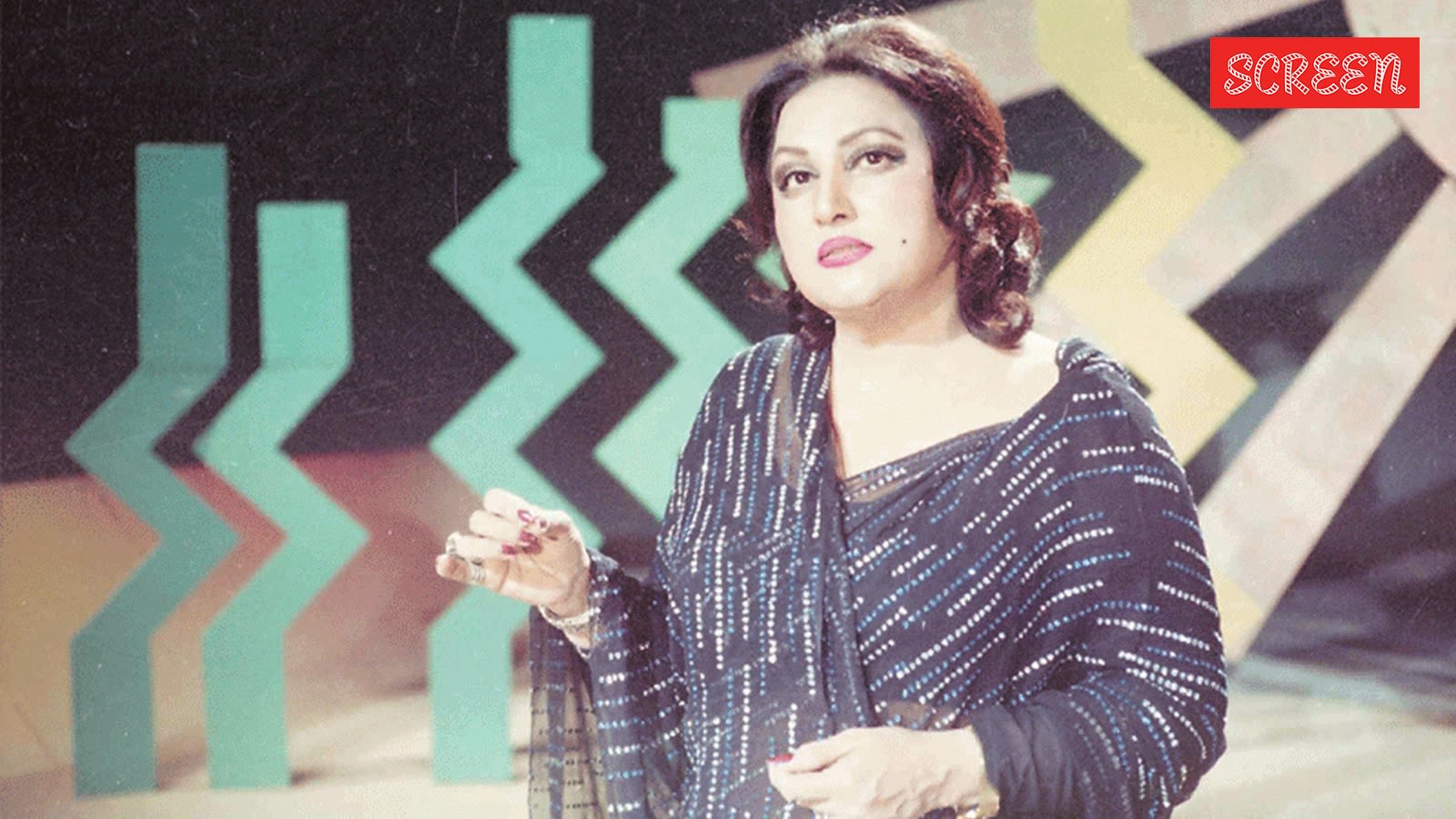
Noor Jehan, known as the 'Queen of Melody', was a pivotal figure in the film industries of both pre-partition India and post-partition Pakistan. Her legendary status is cemented by mutual respect between her and Lata Mangeshkar, who identified Jehan as her childhood role model.
The Unrivaled Legacy of Malika-e-Tarannum
Noor Jehan, revered as the Malika-e-Tarannum or 'Queen of Melody,' stands as a monumental figure in the cultural history of the Indian subcontinent. Her career, which spanned decades, began in the vibrant film industry of 1930s Bombay. As a performer who navigated the turbulent waters of the 1947 Partition, she successfully transitioned her artistic influence to Pakistan, where she became the foundational pillar of the nation's nascent film industry. Her ability to transcend geopolitical borders remains a testament to the unifying power of music.
Artistic Evolution and Cultural Impact
Jehan’s repertoire is defined by iconic renditions such as 'Sanu Nehr Vale Pul' and her evocative interpretations of Faiz Ahmed Faiz’s poetry, notably 'Mujhse Pehli Si Mohabbat.' These works did more than entertain; they anchored the emotional landscape of millions. While often referred to in India as the 'Pakistan’s Lata Mangeshkar,' this comparison serves primarily to highlight the immense scale of her influence. Her vocal prowess set a standard for playback singing that defined an era of cinema, influencing generations of artists who followed in her footsteps.
The Mutual Respect of Legends
Perhaps the most compelling aspect of Noor Jehan’s legacy is the profound professional admiration shared between her and the legendary Lata Mangeshkar. Despite the political divisions that often separated their respective homelands, Mangeshkar openly acknowledged Jehan as a foundational influence on her own musical journey. In interviews following Jehan’s passing, Mangeshkar candidly admitted that she viewed Noor Jehan as her primary role model, noting that she and her contemporaries grew up internalizing Jehan’s melodic nuances and vocal techniques.
Economic and Professional Stature
Beyond her artistic brilliance, Noor Jehan commanded an unprecedented economic status within the industry. Reports indicate that at the height of her career, she earned significantly more—often cited as five times the remuneration—than her professional peers. This disparity was not merely a reflection of her popularity but a recognition of her indispensability as the star who essentially built the Pakistani film industry from the ground up, providing it with the gravitas and commercial viability it required to thrive.
Historical Context and Future Significance
The story of Noor Jehan is inextricably linked to the history of the subcontinent. Moving from Bombay to Pakistan during the Partition, she carried the cultural heritage of the pre-independence era into a new national context. Her life serves as a bridge for historians and musicologists to study the continuity of Hindustani music traditions across borders. As archival technology improves and her recordings are remastered for digital platforms, her influence is poised to remain a vital subject of study for future generations of South Asian musicians.
Conclusion
Ultimately, Noor Jehan’s legacy is defined by her role as a pioneer who defied the limitations of her time. From her early days in Bombay to her status as a cultural icon in Pakistan, her artistic contributions remain timeless. By shaping the careers of icons like Lata Mangeshkar and building the infrastructure of an entire film industry, she secured a place in history that transcends the borders of the nations she once called home.