Kim Jong UN shakes up North Korea’s military, dismisses defence minister
Source Entity
TRISHA MAHAJAN
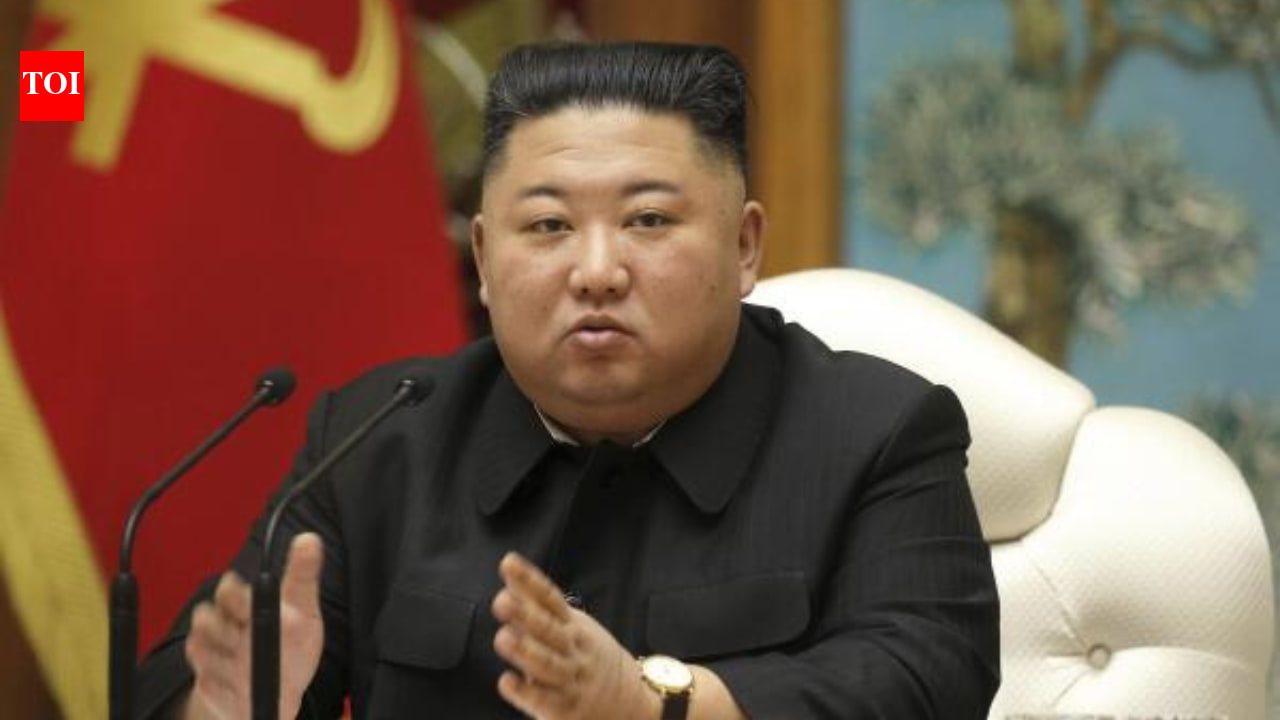
North Korean leader Kim Jong Un has dismissed Defense Minister No Kwang Chol, replacing him with Kim Song Gi in a significant military reshuffle. This leadership shake-up, which also involves key promotions for senior officials, coincides with rapid advancements in the nation's weapons systems and heightened regional tensions.
North Korean Military Leadership Undergoes Strategic Restructuring
North Korea has initiated a significant overhaul of its top military hierarchy, as confirmed by state media reports citing a recent leadership meeting chaired by Kim Jong Un. The dismissal of Defense Minister No Kwang Chol marks a pivotal shift in the country's defense apparatus. No Kwang Chol’s transition—from his cabinet position to the role of first vice-director of the Munitions Industry Department—suggests a strategic redeployment of leadership rather than a complete political purge, indicating that his expertise may be redirected toward the regime's prioritized weapons production goals.
The Rise of Kim Song Gi and Internal Power Shifts
Replacing No Kwang Chol is Kim Song Gi, formerly the director of the General Political Bureau of the Korean People's Army. This appointment is complemented by the elevation of defense advisor Pak Jong Chon to vice-chairman of the Central Military Commission. These appointments within the ruling party’s Political Bureau signify an effort by Kim Jong Un to consolidate control over both the operational military and the administrative backbone of the state's security infrastructure.
Alignment with Weapons Development
This leadership reshuffle is not happening in a vacuum; it directly mirrors recent advancements at North Korea’s weapons research centers. By placing individuals with specific administrative and political experience into key defense roles, the regime is likely attempting to synchronize its military command structure with the deployment of new, sophisticated combat weapon systems. The shift toward the Munitions Industry Department for former leaders highlights the regime’s fixation on sustaining its nuclear and missile development programs.
Regional Tensions and Trilateral Dynamics
These domestic changes occur against a backdrop of deteriorating security in the Korean Peninsula. The ongoing development of North Korea's arsenal has prompted South Korea, the United States, and Japan to maintain a robust posture of trilateral military drills. These exercises serve as a direct response to North Korea's continued provocations, creating a feedback loop where North Korean internal restructuring often precedes or follows cycles of regional missile tests and military posturing.
Future Implications for Regional Stability
Looking ahead, the appointment of Kim Song Gi and the reshuffling of high-ranking advisors suggest a regime preparing for a sustained period of technological competition and geopolitical friction. As the leadership focuses on the synergy between defense policy and munitions production, regional neighbors remain on high alert. The integration of Pak Jong Chon into the Central Military Commission further underscores a tightening of the command structure, likely intended to ensure that military policy remains subservient to the supreme leader’s overarching strategic vision for national defense.