Iceland EU referendum on a knife edge as counting continues
Source Entity
BBC News
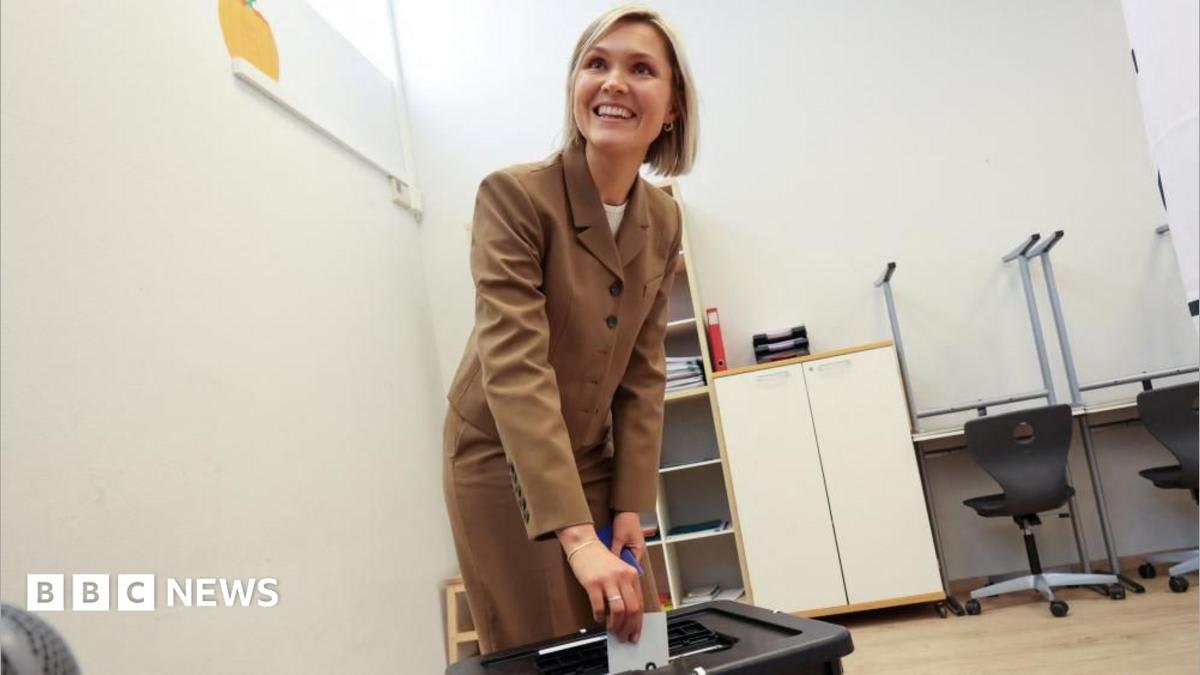
Icelanders have cast their votes in a pivotal referendum to decide on resuming EU accession talks. The outcome remains uncertain, with the national debate heavily centered on the future of the nation's critical fishing industry and sovereignty.
Iceland at a Crossroads: The EU Accession Referendum
Iceland is currently navigating a defining moment in its modern political history as citizens head to the polls to decide whether to resume negotiations for European Union membership. Thirteen years after talks were abruptly halted, this referendum serves as a critical test of the nation's geopolitical trajectory. The decision to bring the vote forward, championed by Prime Minister Kristrún Frostadóttir’s centre-left government, was spurred by the pressures of turbulent international affairs, reflecting a broader regional anxiety about security and economic stability.
The Economic and Sovereignty Debate
While the global climate might suggest a focus on security, the domestic discourse has remained firmly rooted in the protection of Iceland's vital fishing industry. For an island nation with a population under 400,000, the fishing sector is not merely an industry but a pillar of national identity and economic survival. Opponents of the move fear that EU membership would lead to the loss of control over these essential maritime resources, highlighting a persistent tension between international integration and national sovereignty.
Historical Context of the EU Bid
This referendum is deeply linked to the aftermath of the 2009 financial crisis, which devastated the Icelandic economy and prompted the initial application for EU membership. However, the subsequent rise of a eurosceptic government in 2013 led to the suspension of those negotiations. The current vote represents a potential reversal of that policy, though it is important to note that a 'Yes' result would not be a final decision to join the bloc. Instead, it would merely authorize the government to begin the complex process of negotiating an accession agreement.
The Procedural Road Ahead
Even if voters favor resuming talks, the path to membership is exceptionally arduous. Any prospective deal would face a rigorous multi-stage approval process. This includes a mandatory second referendum to ratify the final terms, parliamentary approval, constitutional amendments, and the unanimous consent of the EU’s 27 existing member states. This systemic complexity underscores why the current vote is so heavily contested; it is the first step in a multi-year, high-stakes diplomatic marathon.
Predicting the Future
As the nation awaits the final count, the extreme closeness of the polls—ranging from a narrow lead for the 'No' camp to a slight edge for 'Yes'—highlights a deeply divided electorate. Regardless of the outcome, the result will fundamentally reshape Iceland’s relationship with Europe. If the 'Yes' camp prevails, the government will face the daunting task of balancing public demands regarding fishing rights against the strict regulatory requirements of the European Union. Conversely, a 'No' vote would likely solidify Iceland’s current status as an independent partner outside the bloc for the foreseeable future.
Conclusion
The suspense surrounding the final tally reflects the gravity of the choice facing Iceland’s citizens. By moving to settle a debate that has simmered for over a decade, Iceland is attempting to reconcile its desire for economic security with its long-standing commitment to autonomy. The final outcome will serve as a bellwether for how small nations approach the trade-offs inherent in modern global integration.
Multiple Citing Sources