US lifts immigrant visa pause for 75 countries after court order; here's what applicants should know
Source Entity
Latest News: Todays Latest News Headlines from India & World | Hindustan Times | Hindustan Times
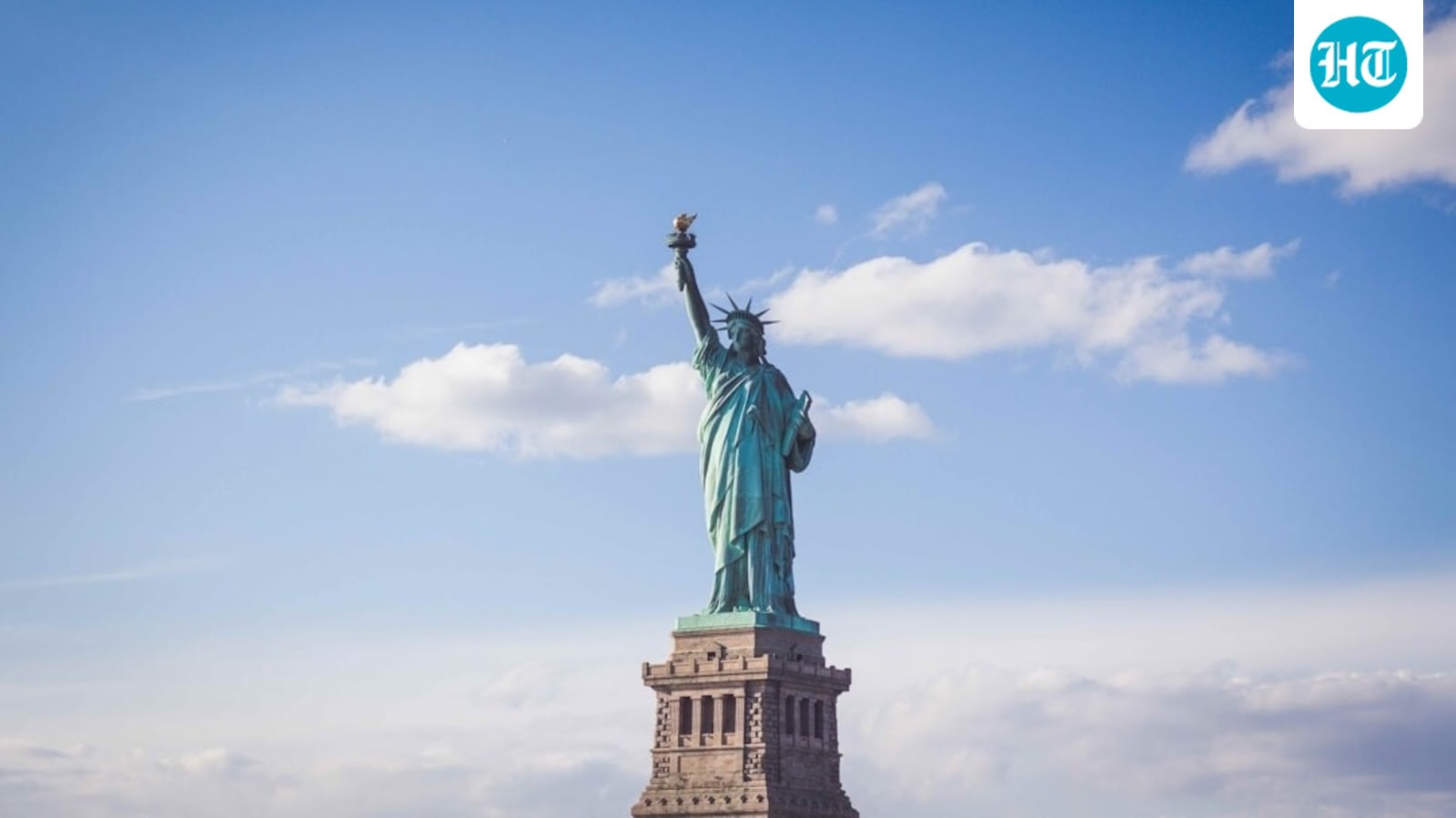
The U.S. State Department has lifted a controversial January 2026 pause on immigrant visas for 75 countries following a federal court order. While processing resumes, the agency continues to evaluate vetting procedures regarding public-benefits reliance.
U.S. Resumes Immigrant Visa Processing After Court Intervention
The United States Department of State has officially lifted a significant policy restriction that had temporarily halted the issuance of immigrant visas for nationals from 75 countries. This development follows a definitive court order in the legal challenge CLINIC et al. v. Rubio et al., which mandated the cessation of the policy that had been in effect since January 2026. The department updated its official guidance on August 28, confirming that the pause concluded on August 21, thereby clearing the way for affected applicants to resume their immigration processes.
Understanding the Legal Context
The litigation, CLINIC et al. v. Rubio et al., serves as a pivotal moment for international applicants who had been left in a state of uncertainty since the beginning of the year. By challenging the broad administrative pause, the plaintiffs successfully argued for the restoration of visa services for individuals from a diverse range of nations, including Bangladesh, Bhutan, Nepal, Pakistan, Nigeria, and Ghana. This court-ordered reversal highlights the ongoing tension between executive-branch immigration policy and the judicial review of administrative actions.
Addressing Public-Benefits Concerns
While the resumption of visa issuance is a major relief for thousands of families and professionals, the Department of State has signaled that it is not abandoning its focus on vetting protocols. The agency explicitly stated that it will continue to review its screening policies, particularly regarding concerns over 'public-benefits reliance.' This suggests that while the blanket pause has been removed, the underlying policy objective of ensuring that prospective immigrants do not become public charges remains a key priority for the federal government.
Broader Implications for Global Applicants
For the 75 countries affected by the initial January policy, this news represents a significant restoration of access to the U.S. immigration system. Many applicants had faced prolonged delays, resulting in administrative backlogs and personal hardships. The lifting of the pause allows embassies and consulates to resume the processing of immigrant visas, providing a pathway forward for those who had been caught in the crosshairs of the temporary administrative suspension.
Future Trends in Immigration Policy
This event underscores the volatile nature of immigration policy, where administrative directives are frequently tested in the courts. As the State Department continues to refine its vetting procedures, applicants should remain vigilant for future updates regarding documentation requirements and screening standards. The focus on public-benefits reliance indicates a long-term trend in U.S. immigration policy toward more rigorous financial vetting, which will likely remain a central theme in future diplomatic and administrative discourse.
Conclusion
The resolution of the CLINIC et al. v. Rubio et al. case brings a necessary end to a period of uncertainty for thousands of international applicants. While the immediate resumption of visa services is a positive development, the ongoing review of vetting policies reminds stakeholders that the immigration landscape remains highly regulated. Applicants are encouraged to monitor official State Department channels closely as the system transitions back to standard operational procedures.
Verification Required?