A WhatsApp group chat was used to send millions in cash around the world, funding crime and extremism
Source Entity
BBC News
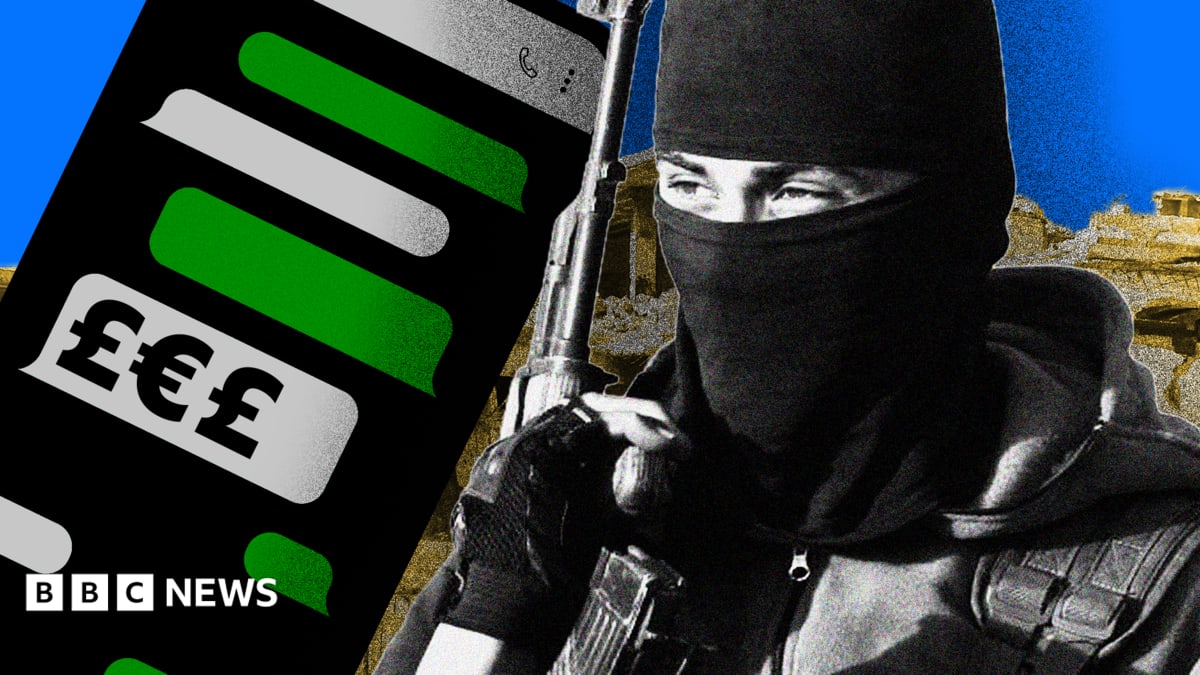
A 532-member WhatsApp group titled 'Traders of Greater Europe' facilitated the laundering of hundreds of millions of euros. The network supported organized crime and extremism, including payments linked to Islamic State militants in Syria.
The Digital Underground: How WhatsApp Facilitated Global Money Laundering
An extensive investigation by the European Broadcasting Union (EBU), including the BBC, has uncovered a sophisticated, illicit financial network operating within the encrypted confines of WhatsApp. The group, brazenly titled "Traders of Greater Europe," functioned as a hub for moving hundreds of millions of euros across international borders. By utilizing the privacy features of encrypted messaging, these actors bypassed traditional banking regulations, creating a shadow economy that operated entirely without a conventional paper trail.
The Mechanics of Shadow Finance
At the core of this operation was a 532-member network that coordinated the physical movement of cash. Unlike digital wire transfers that trigger anti-money laundering (AML) protocols, this system relied on human couriers and local brokers in cities such as London and Birmingham. By keeping the transactions off the books, the group effectively laundered proceeds from criminal enterprises, ensuring that the origins of the funds remained obscured from law enforcement agencies tasked with monitoring suspicious financial activity.
Extremism and Global Organized Crime
The implications of this discovery are profound, as the network did not merely serve common criminals; it acted as a conduit for severe global threats. Evidence confirms that the group facilitated payments from Brussels to militants associated with the Islamic State (IS) in Syria. This represents a dangerous intersection where private messaging platforms are exploited to bridge the gap between European criminal profits and international terrorism, complicating global counter-terrorism financing efforts.
Beyond Terrorism: Smuggling and Trafficking
The investigation further highlights that this WhatsApp-based system was not an isolated incident but part of a broader trend of illicit finance. The EBU found that similar methodologies—using encrypted group chats to coordinate cash handoffs—have become central to other high-stakes criminal activities, including human smuggling and large-scale drug trafficking. The ability to coordinate logistics for these crimes in real-time without institutional oversight makes such platforms highly attractive to organized criminal syndicates.
The Challenge of Encryption and Regulation
This case underscores the ongoing tension between digital privacy and public safety. While encryption is essential for the security of global communications, it also provides a "black box" for criminal actors to coordinate complex logistics. The fact that the "Traders of Greater Europe" group exchanged over 82,000 messages between late February and the conclusion of the investigation demonstrates the high volume of activity that can be masked by end-to-end encryption, posing a significant challenge to intelligence and law enforcement agencies.
Future Trends in Illicit Finance
As traditional banking systems become more robust in their detection of digital fraud, criminal organizations are increasingly pivoting back to "analog" methods of cash transfers, facilitated by modern digital coordination. Future trends suggest that we will see more "hybrid" criminal models that pair digital encryption for planning with physical cash for execution. Combatting this will require not only technological solutions but also increased international cooperation to monitor the physical logistics of cash movement that these digital groups rely upon to complete their illicit transactions.