The Bhotekoshi flood | A Himalayan tragedy
Source Entity
India Latest News: Top National Headlines Today & Breaking News | The Hindu
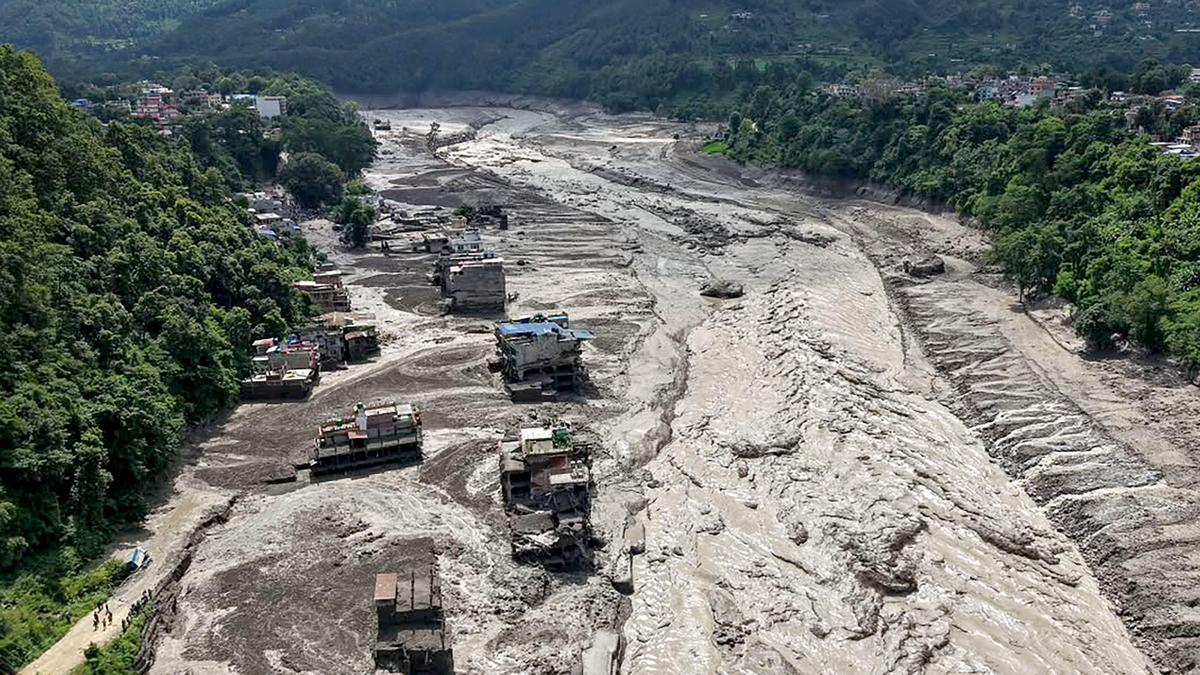
Catastrophic flash floods in Nepal, triggered by a glacial collapse, have claimed at least 682 lives with thousands missing. The disaster has prompted high-alert warnings for Indian border states as rising river levels threaten infrastructure and communities.
The Catastrophic Flash Floods in Nepal: A Multi-Regional Crisis
A devastating sequence of flash floods has gripped the Himalayan region, originating from a sudden glacial collapse near the Nepal-China border. While initial speculation considered seismic activity, the United States Geological Survey (USGS) has officially ruled out earthquakes, identifying the collapse of a glacier as the primary catalyst for the torrents. This event has resulted in a staggering humanitarian toll, with at least 682 confirmed deaths and nearly 3,000 individuals still reported as missing, necessitating a massive search and rescue operation.
The Scale of Destruction and Humanitarian Impact
The physical destruction caused by the surge is immense. Drone footage from the affected regions, particularly along the Trishuli River in the Nuwakot district, reveals a landscape scarred by mud, debris, and the total loss of critical infrastructure, including roads, bridges, and housing. UNICEF has issued a dire warning regarding the welfare of survivors, noting that at least 17,000 children are in urgent need of humanitarian assistance after the floods destroyed 18 schools and severely damaged countless others. With over 4,451 individuals rescued to date, the focus remains on providing shelter and emergency supplies to those displaced.
Cross-Border Implications for India
The hydrological impact of these floods extends far beyond Nepal’s borders, placing authorities in the Indian states of Uttar Pradesh, Bihar, and Uttarakhand on high alert. The surge of water is moving downstream through major river systems, including the Gandak, Ghaghara, Rapti, and Kosi. Because the Trishuli River—which absorbs flow from the Bhote Koshi originating in Tibet—feeds into the Gandak, the sudden influx of water from the mountain valleys poses a direct threat to downstream communities in Northern India.
Infrastructure and Environmental Vulnerabilities
The disaster highlights the growing vulnerability of the Himalayan region to climate-induced events. The combination of heavy rainfall and the necessary opening of barrage gates to manage water pressure in Nepal creates a compounding risk for Indian districts. As these rivers swell, the potential for widespread flooding in low-lying areas of North Bihar and Uttar Pradesh increases significantly. The destruction of roads and bridges in the mountain regions has further complicated relief efforts, making it difficult for aid to reach isolated communities.
International Response and Future Outlook
In response to the tragedy, Prime Minister Narendra Modi has offered assistance, signaling the importance of regional cooperation in disaster management. As international aid begins to reach temporary camps, the focus will eventually shift toward long-term recovery and the necessity of bolstering early-warning systems. The increasing frequency of glacial events in the Himalayas underscores the need for robust environmental monitoring to mitigate future risks to both Nepal and its neighbors. The current crisis serves as a grim reminder of the interconnected nature of Himalayan geography and the urgent need for transboundary flood management strategies.
Multiple Citing Sources
Verification Required?