Tea break & an alert driver: How Kailash pilgrims narrowly escaped Nepal floods
Source Entity
SANDEEP RAGHAVAN
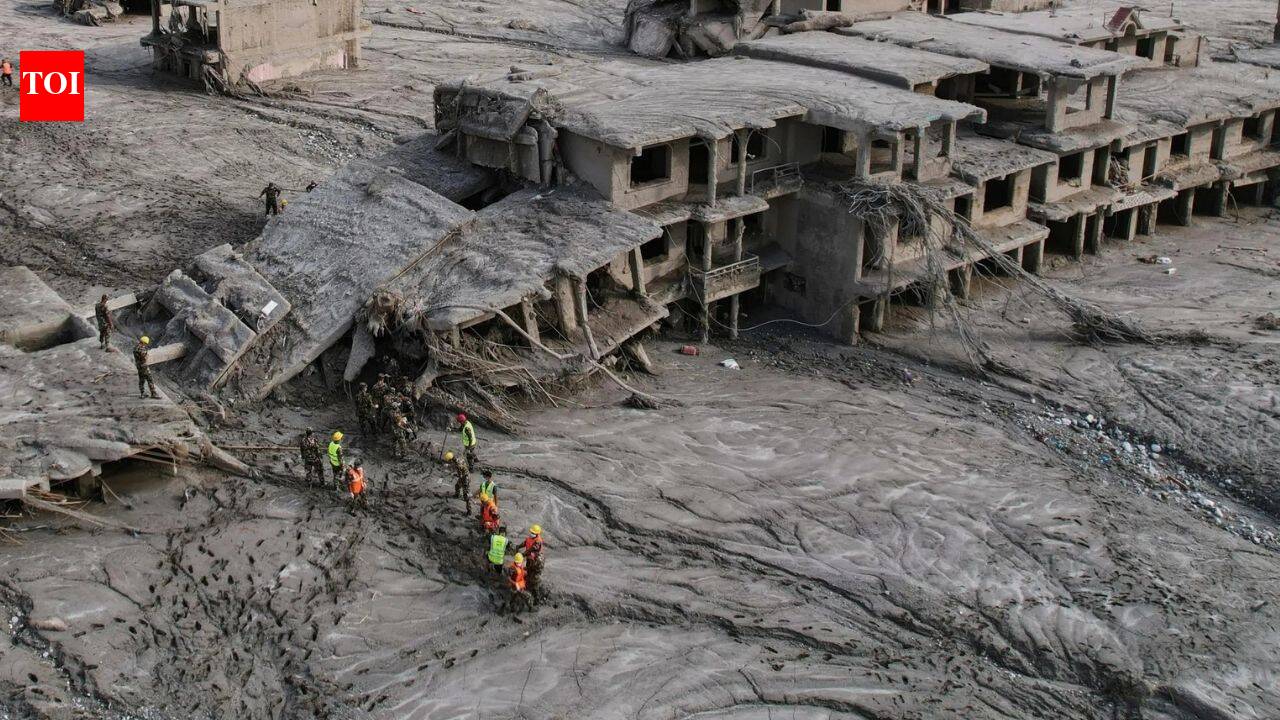
Devastating flash floods in Nepal have left hundreds missing, including a US-based Indian couple on a pilgrimage. Rescue operations are ongoing at critical infrastructure sites like the Upper Trishuli-3A hydropower project as the death toll continues to rise.
The Human Cost of Nepal’s Catastrophic Flash Floods
The recent flash floods in Nepal have transformed a spiritual pilgrimage into a desperate search for missing persons. Among the individuals caught in this tragedy are Deepak Ahuja, 60, and his wife Madhu Ahuja, 57, a US-based couple of Indian origin. The pair, who were part of the 'Isha Sacred Walks' group, were returning from the Kailash Mansarovar Yatra when they went missing near an immigration center on the Nepal-China border. Their family in Lucknow remains in a state of anxious uncertainty as communication and transit routes are severely compromised by the natural disaster.
Infrastructure and Human Toll
The scale of the disaster extends far beyond individual pilgrims. Reports indicate that over 900 individuals remain missing, with a confirmed death toll reaching 810 across Nepal and Tibet. The impact on critical infrastructure has been particularly severe, with the Upper Trishuli-3A hydropower project becoming a focal point for rescue efforts. Officials are currently working to locate survivors trapped within the tunnel systems of various hydroelectric projects, where hundreds of workers were stationed when the floods struck.
The Challenge of Rescue Operations
Rescue operations, spearheaded by the Nepalese Army, are facing extreme logistical hurdles. At the Upper Trishuli-3A site, teams have successfully located the tunnel's crown head and are working to create openings to supply oxygen to potential survivors. However, the sheer volume of debris and the instability of the terrain make these efforts precarious. The Independent Power Producers' Association Nepal has reported that over 500 workers across nine different projects remain unaccounted for, highlighting the vulnerability of industrial sites situated in high-altitude, flood-prone regions.
Regional Cooperation and Assistance
The crisis has prompted a swift response from neighboring India, which has stepped in to provide essential technical and relief assistance. This cooperation underscores the shared vulnerability of the Himalayan region to extreme weather events. The Indian Ministry of External Affairs has urged caution regarding the rapid fluctuation of casualty figures, noting the difficulty in verifying information amidst ongoing search and rescue missions.
Broader Implications and Future Trends
This disaster serves as a grim reminder of the intensifying climate risks facing the Himalayan belt. The intersection of mass tourism—such as the Kailash Mansarovar Yatra—and large-scale industrial development in seismically and hydrologically sensitive zones presents a multifaceted challenge for regional authorities. As climate change increases the frequency of glacial lake outburst floods and extreme monsoon events, Nepal and its neighbors will likely need to re-evaluate infrastructure safety protocols and early warning systems to prevent such massive loss of life in the future.
Conclusion
While the focus remains on the immediate survival of those trapped in hydropower tunnels and the recovery of missing individuals like the Ahuja couple, the long-term recovery for the region will be extensive. The tragedy highlights the need for robust disaster management frameworks that can account for both the high volume of international pilgrims and the significant number of industrial workers operating in high-risk zones.
Multiple Citing Sources