'Will our home still be standing tomorrow?' The Northeast relives its annual flood heartbreak
Source Entity
KANCHAN YADAV
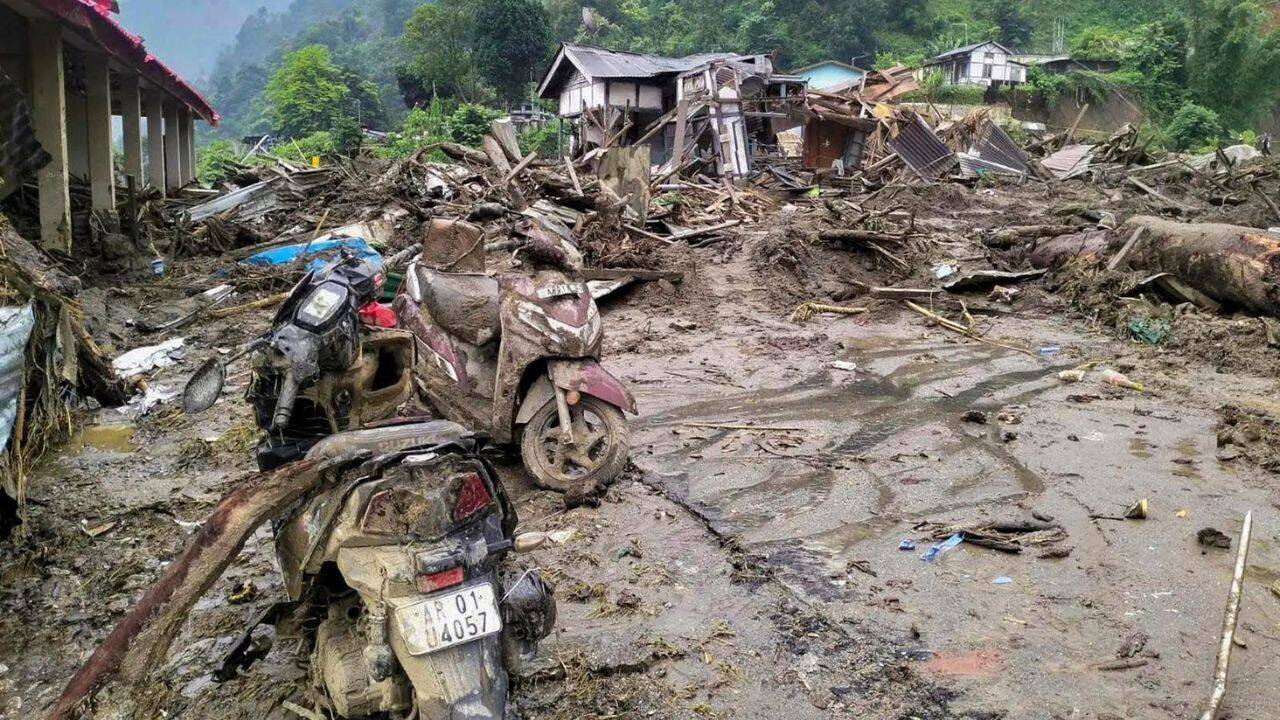
Northeast India faces severe monsoon floods and landslides, affecting nearly 50,000 people in Assam. Rising waters have submerged villages and damaged agricultural land, impacting livelihoods. Across the region, homes and infrastructure have suffered extensive damage from heavy rainfall. Thousands have been displaced and are seeking refuge in the relief camps.
The Cycle of Devastation: Analyzing the Monsoon Crisis in Northeast India
The recurring nightmare of monsoon flooding has once again descended upon Northeast India, leaving a trail of destruction and psychological trauma in its wake. With nearly 50,000 people affected in Assam alone, the current crisis is not merely a weather event but a systemic humanitarian disaster. The poignant question asked by residents—"Will our home still be standing tomorrow?"—underscores the profound instability and fear that define life in this region during the rainy season. The immediate impact is characterized by submerged villages and the collapse of critical infrastructure, forcing thousands to abandon their ancestral lands for the precarious safety of government-run relief camps.
The Geographical Vulnerability of the Brahmaputra Basin
To understand why Assam and its neighbors suffer this "annual heartbreak," one must look at the unique geography of the region. The Brahmaputra river, one of the largest in the world, flows through a narrow valley characterized by high sediment loads and a fragile ecosystem. During the monsoon, the combination of heavy rainfall and the river's tendency to shift its course leads to catastrophic breaches in embankments. This geographical volatility ensures that when the waters rise, they do not simply flood the land but often erase entire settlements, making the recovery process an uphill battle against nature itself.
Socio-Economic Erosion and Agricultural Collapse
Beyond the immediate loss of shelter, the floods have dealt a crushing blow to the region's agricultural backbone. In Assam, where a significant portion of the population relies on farming for survival, the submergence of agricultural land leads to total crop failure. This creates a devastating economic ripple effect: farmers lose their primary source of income, food security is compromised, and many are pushed further into debt cycles to recover their losses. The destruction of livestock and the loss of stored seeds further exacerbate the long-term economic instability of the rural poor.
Infrastructure Fragility and Displacement
The reports highlight extensive damage to infrastructure, which severely hampers rescue and relief operations. Roads and bridges, often the only lifelines for remote villages, are frequently washed away by landslides or submerged under several feet of water. This isolation turns villages into islands, delaying the arrival of food, medicine, and emergency services. The displacement of thousands into relief camps brings its own set of challenges, including overcrowding and sanitation issues, reflecting a recurring pattern where the state's reactive measures struggle to keep pace with the scale of the disaster.
The Shadow of Climate Change and Future Trends
While these floods are seasonal, the intensity and unpredictability of the rainfall patterns suggest a deeper connection to global climate change. Increasing temperatures in the Himalayas are leading to erratic glacial melts and more intense cloudbursts, which feed the Brahmaputra and its tributaries with unprecedented volumes of water. If the current trend continues, the "annual heartbreak" may become more frequent and more severe. The transition from temporary relief to long-term resilience—such as the construction of climate-resilient housing and advanced early-warning systems—is no longer optional but a necessity for the survival of the region.
Conclusion: A Call for Sustainable Resilience
In summary, the current flood crisis in Northeast India is a stark reminder of the region's vulnerability. The loss of homes and livelihoods for 50,000 people in Assam is a tragedy that repeats with clockwork precision, yet the solutions remain largely superficial. Moving forward, the focus must shift from mere disaster management to comprehensive disaster risk reduction. Until there is a fundamental shift in how infrastructure is built and how the river basins are managed, the people of the Northeast will continue to live in fear of the very rains that are supposed to sustain their land.