Nepal Flood Raises Questions On Constructions Close To Rivers, Says Expert
Source Entity
NDTV News Search Records Found 1000
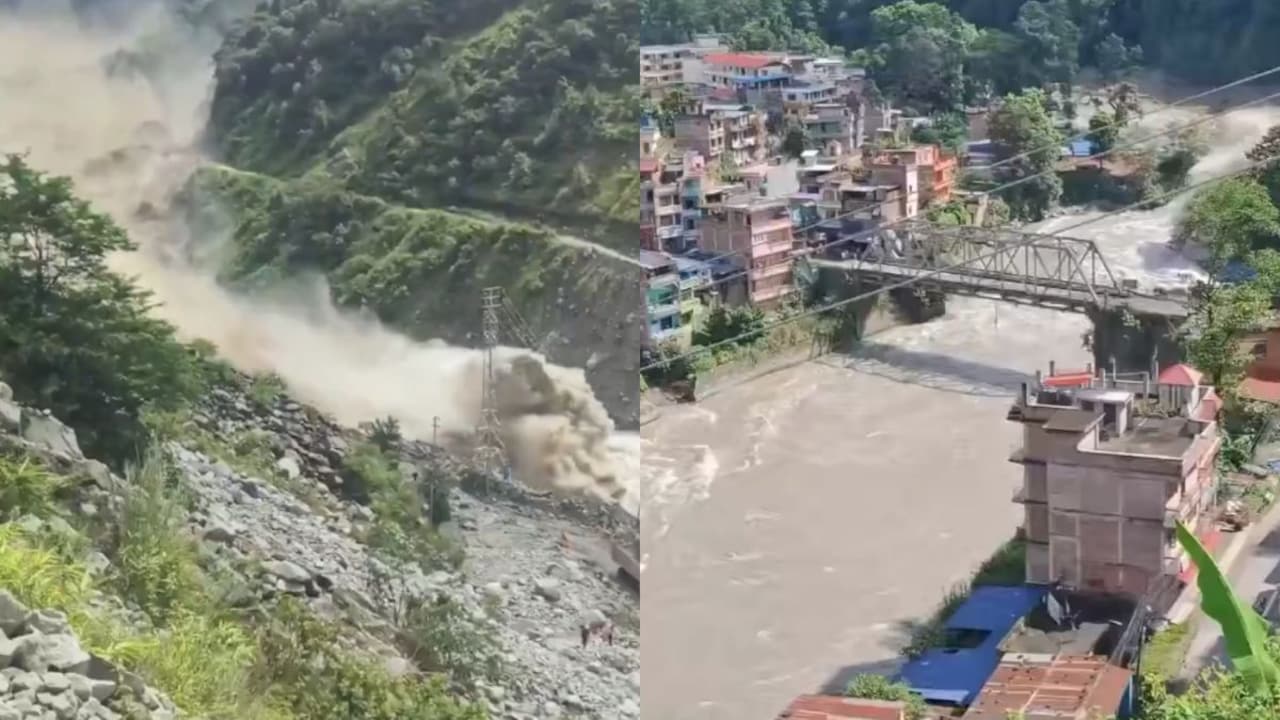
Northern Indian states are on high alert due to flash floods originating in Nepal, while tensions have flared in Uttar Pradesh's Raebareli district following the desecration of an Ambedkar statue. Local authorities are managing both the environmental disaster and potential civil unrest through deployments and investigations.
Crisis Management in Northern India: Environmental and Social Challenges
Flash Floods Threaten Border Regions
Northern India is currently facing a dual challenge involving both natural disasters and social unrest. Authorities in Uttar Pradesh, Bihar, and Uttarakhand have been placed on high alert following devastating flash floods in neighboring Nepal. These floods, occurring approximately 200 kilometers north of the Indian border, have caused significant casualties and left hundreds of tourists, including 105 Indian nationals, missing. The hydrological connectivity between the two nations means that the disaster in Nepal is not isolated; the surge in water levels is expected to impact the Ghaghara, Rapti, Gandak, and Kosi rivers.
The Mechanics of the Flood Risk
The threat to Indian border districts is compounded by the geography of the Himalayan river systems. The Trishuli river, which feeds into the Gandak and receives significant volume from the Bhote Koshi originating in Tibet, serves as a critical artery for water flow. The combination of heavy monsoon rainfall and the necessary opening of barrage gates in Nepal creates a high-pressure scenario for downstream regions. As these rivers traverse the plains of Uttar Pradesh and Bihar, the sudden influx of water poses a severe risk of inundation, requiring constant monitoring by disaster management agencies.
Social Unrest in Raebareli
Simultaneously, the district of Raebareli in Uttar Pradesh is grappling with internal social tensions. In Baburiha village, located under the Gadganj police station, a statue of Dr. B.R. Ambedkar was found smeared with mud and soot on the morning of August 25, 2026. This act of vandalism has sparked significant public anger, with local residents demanding immediate accountability. The incident represents a flashpoint for communal and social sentiment, as the desecration of such symbols often carries profound political and cultural weight in the region.
Law Enforcement Response and De-escalation
In response to the tension in Baburiha, local law enforcement has moved swiftly to maintain order. The Additional Superintendent of Police (ASP) of Raebareli and the Circle Officer (CO) of Unchahar arrived at the scene to engage with the aggrieved villagers. By providing public assurances of a fair and thorough investigation, authorities managed to temporarily calm the situation. As a precautionary measure, police forces have been deployed within the village to prevent further escalation and ensure that the investigation into the unidentified culprits can proceed without interference.
Broader Implications and Future Trends
These two events highlight the complexity of governance in Northern India. The flood situation underscores the necessity for robust cross-border cooperation in water management and disaster communication between India and Nepal. Failure to coordinate on barrage operations can lead to preventable catastrophes in the Indo-Gangetic plains. Meanwhile, the incident in Raebareli serves as a reminder of the fragility of local social harmony and the critical role of proactive policing in preventing minor grievances from spiraling into wider unrest. Moving forward, both environmental resilience and the protection of public order will remain top priorities for the state administration.
Multiple Citing Sources
Verification Required?