States step up efforts to trace missing, stranded people after Nepal disaster
Source Entity
India Latest News: Top National Headlines Today & Breaking News | The Hindu
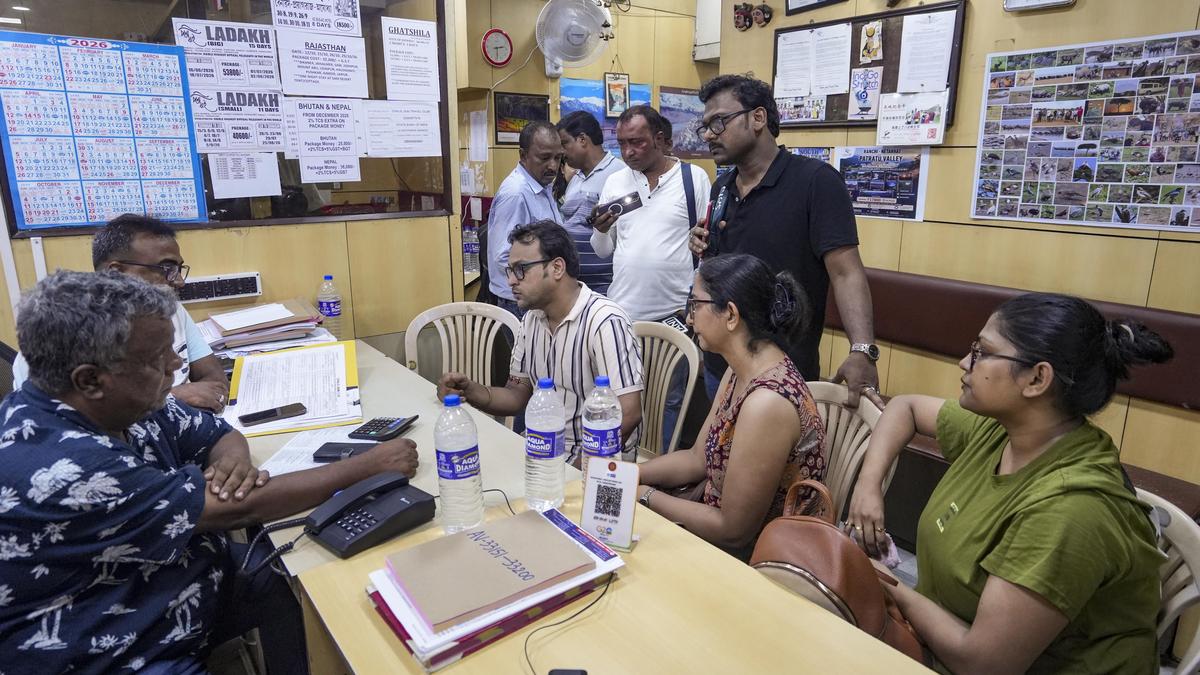
Northern India is bracing for potential flooding from Nepal's flash floods, while Rae Bareli remains tense following the defacement of a Dr. B.R. Ambedkar statue. Authorities are actively managing both the disaster response and local law and order.
Crisis Management: Floods and Social Unrest in Northern India
Border Alert: The Transboundary Flood Threat
Northern India is currently facing a dual challenge involving environmental hazards and social tensions. Authorities in the states of Uttar Pradesh, Bihar, and Uttarakhand have been placed on high alert following devastating flash floods in neighboring Nepal. The disaster, which occurred approximately 200 km north of the Indian border, has resulted in significant loss of life and left hundreds missing, including over 100 Indian tourists. The situation is exacerbated by heavy rains and the necessary opening of barrage gates in Nepal, which threatens to swell the Ghaghara, Rapti, Kosi, and Gandak rivers.
Hydrological Implications for North India
The hydrological connection between the Himalayan region and the Indo-Gangetic plains is a critical factor in this emergency. The Trishuli river, which incorporates flows from the Bhote Koshi originating in Tibet, feeds directly into the Gandak river system. As water levels rise in these mountain valleys, the downstream impact on Uttar Pradesh and North Bihar is inevitable. The opening of barrage gates is a standard but high-stakes procedure designed to prevent structural failure of dams, yet it places immense pressure on the river embankments in Indian territory.
Social Instability in Rae Bareli
Concurrently, social stability in the Baburiha village of the Rae Bareli district has been compromised. On August 25, 2026, the community discovered that the statue of Dr. B.R. Ambedkar had been desecrated with mud and soot. This act of vandalism has sparked significant public anger, as the statue serves as a vital symbol of social justice and identity for many local residents. The incident highlights the vulnerability of public monuments and the potential for such acts to trigger community-wide unrest.
Law Enforcement and Community Response
In response to the tension in Baburiha, local law enforcement—led by the Additional Superintendent of Police and the Circle Officer of Unchahar—acted swiftly to contain the situation. By engaging directly with the villagers and promising a rigorous investigation, officials have managed to maintain order. The deployment of police forces serves as a necessary precautionary measure to prevent the escalation of local grievances into broader civil disobedience.
Analyzing the Intersection of Crises
While these events—one a natural disaster and the other a localized act of vandalism—are distinct in origin, they share a common thread: the necessity of rapid state intervention to maintain public security. The flood alert requires coordinated interstate and international cooperation to mitigate infrastructure damage, while the Rae Bareli incident demands a judicial and social resolution to ensure the protection of cultural and political symbols. Both situations test the responsiveness of the state machinery in ensuring the safety and peace of its citizens during periods of heightened stress.
Multiple Citing Sources
Verification Required?