India hopes to build domestic smartphone brands. Nothing’s CMF wants a share of that
Source Entity
Soumyarendra Barik
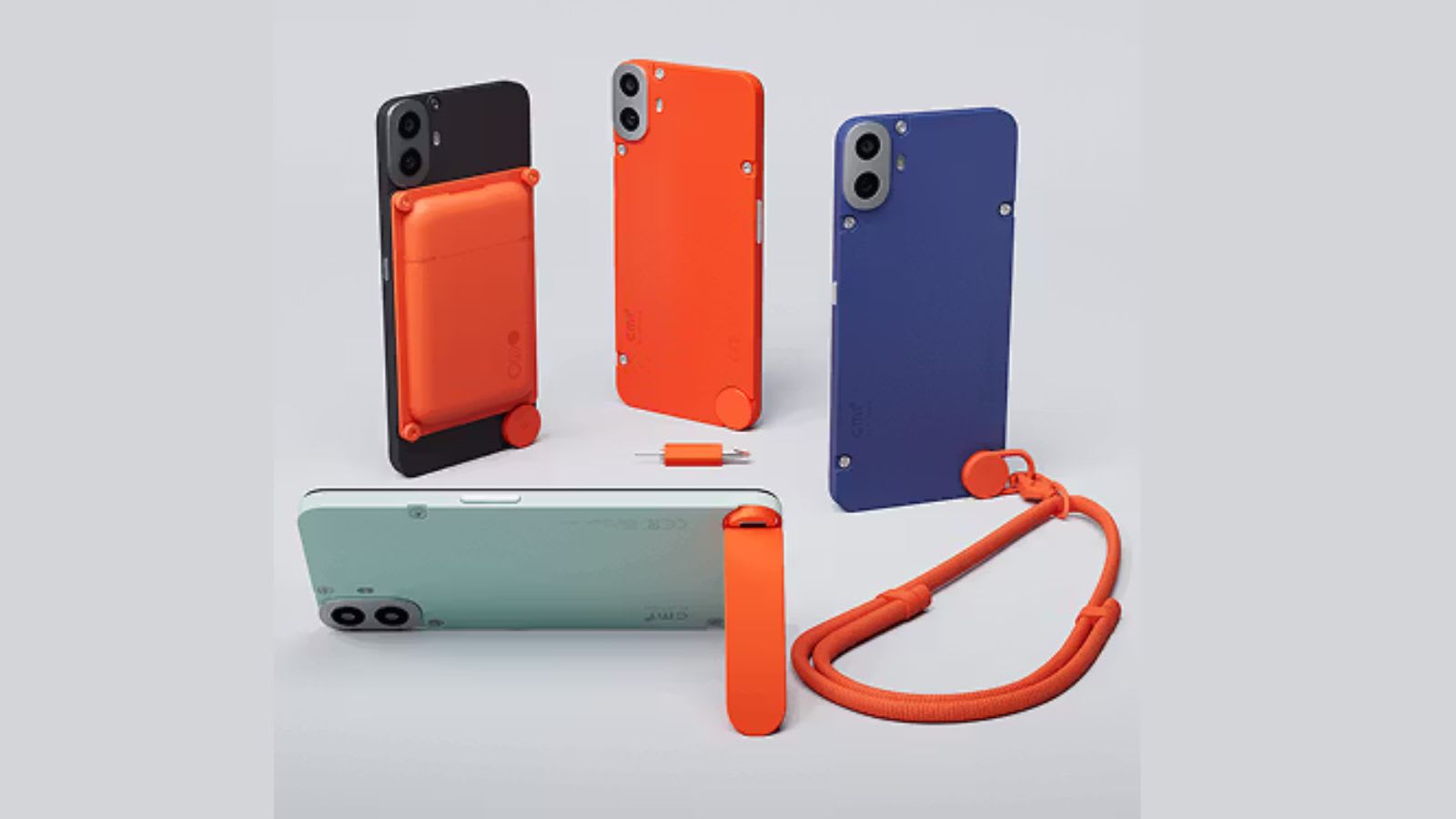
Nothing is spinning off its CMF sub-brand into a standalone, majority Indian-owned company. This strategic shift aims to transition India from a manufacturing hub to a center for product engineering and R&D.
The Strategic Evolution of Nothing’s CMF in India
Smartphone manufacturer Nothing, led by CEO Carl Pei, has announced a significant structural shift: the spinoff of its sub-brand, CMF, into a standalone, majority Indian-owned entity. This transition marks a departure from traditional outsourcing models, positioning CMF to be headquartered in India with its own dedicated team and domestic research and development (R&D) operations. While Nothing will retain a minority stake and serve as a strategic partner, the core operational control and intellectual property development will shift to the new Indian entity.
Beyond Assembly: A Shift to Intellectual Property
For years, India’s involvement in the global electronics supply chain has been primarily defined by assembly and low-end manufacturing. Carl Pei’s decision reflects an acknowledgment that the next phase of India’s technological maturation requires a pivot toward high-value activities. By localizing R&D and product engineering, the new CMF entity is designed to cultivate home-grown intellectual property, moving beyond the 'Made in India' assembly label toward 'Designed in India' innovation.
Impact on the Domestic Ecosystem
This move aligns with India's broader ambitions to foster a self-reliant electronics ecosystem. By mandating that the new entity be majority-owned by Indian shareholders, the initiative encourages local capital investment and the cultivation of local engineering talent. This is a critical development, as the localization of R&D operations typically leads to a deeper talent pool and a more robust supply chain, which can eventually lower costs and increase the speed of product iteration for the Indian market.
Challenges and Market Implications
Transitioning a sub-brand into a standalone company is fraught with operational hurdles, particularly concerning brand identity and market positioning. CMF must maintain the design-centric ethos that Nothing is known for while simultaneously establishing itself as a distinct, localized powerhouse. The success of this move will hinge on the company's ability to balance its international design heritage with the specific demands and price sensitivities of the Indian consumer base.
Future Trends in Electronics Manufacturing
If successful, the CMF model could serve as a blueprint for other global electronics firms operating in India. As global supply chains continue to diversify away from traditional hubs, companies that invest in local R&D and ownership structures are likely to gain a competitive edge. This shift signals a broader trend in which India is no longer just a destination for cheap labor, but a strategic site for comprehensive product development and brand ownership.
Conclusion
The transformation of CMF into an Indian-headquartered, majority-owned company is a landmark moment for the nation’s tech sector. By prioritizing R&D and domestic ownership, Nothing is attempting to bridge the gap between global consumer electronics standards and local innovation capabilities. As the entity begins its journey as an independent firm, the outcome will likely influence how multinational corporations structure their operations in India for years to come.