Novo shares slide as drugmaker lays out post-Wegovy growth strategy
Source Entity
US Top News and Analysis
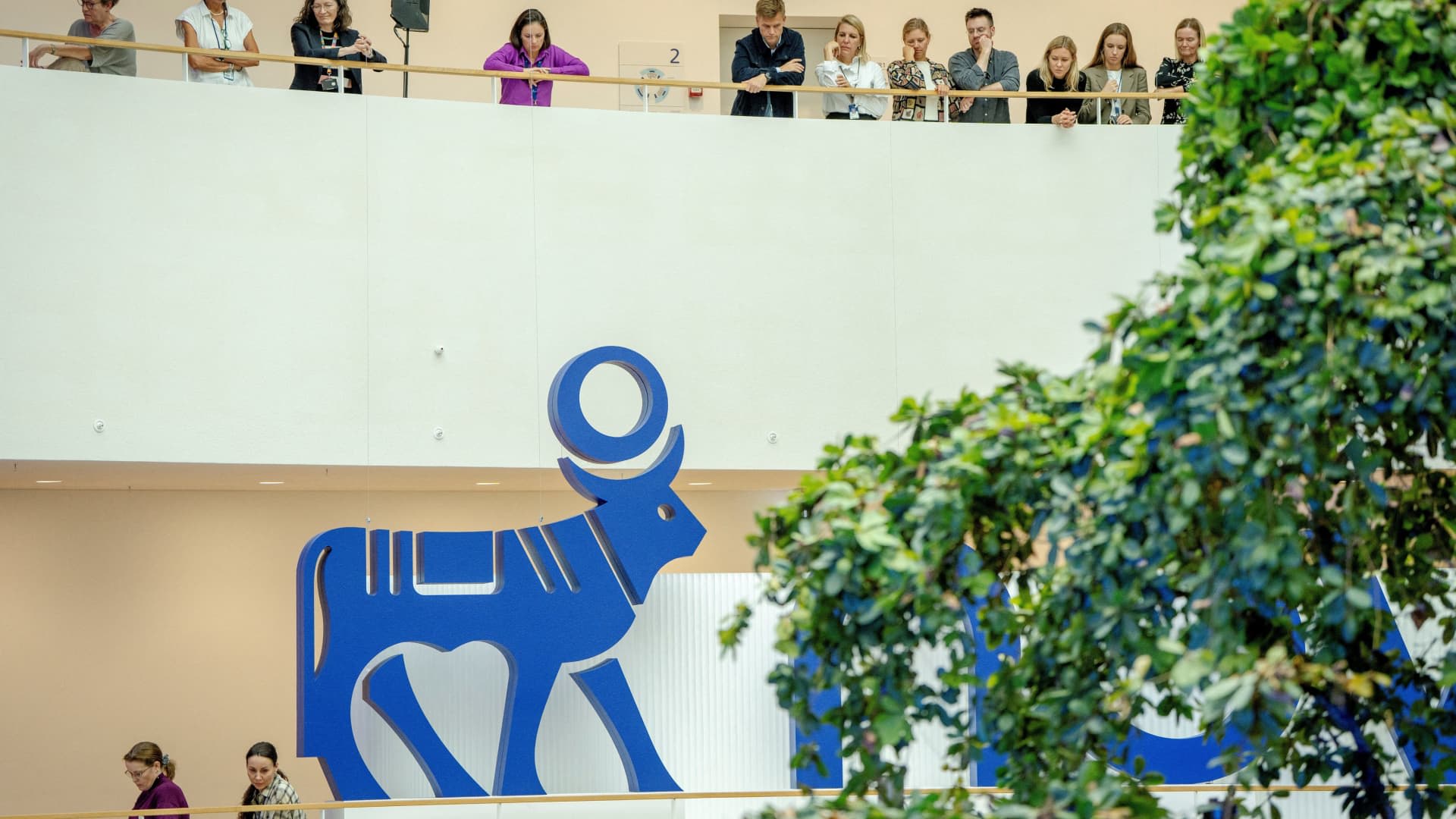
Novo Nordisk shares dropped 7% after the company announced long-term growth targets that failed to satisfy investor expectations for immediate momentum. Meanwhile, rival Eli Lilly reported strong gains in the senior market following the expansion of Medicare coverage for GLP-1 drugs.
Novo Nordisk Faces Market Skepticism Amidst Rising Competition
Novo Nordisk, the pioneering force in the global obesity drug market, experienced a significant share price decline of up to 7% on Monday. This market reaction underscores a growing disconnect between investor expectations for immediate, short-term performance and the company’s long-term strategic roadmap. While Novo Nordisk remains a dominant entity, the market appears to be reacting to the realization that the initial explosive growth phase of products like Wegovy is transitioning into a more competitive, mature phase of the industry.
Strategic Ambitions vs. Investor Sentiment
In an attempt to reassure stakeholders, Novo Nordisk outlined a vision to launch more than five drugs with "multi-blockbuster" potential by 2030. Furthermore, the company projected generating over 150 billion Danish kroner ($23 billion) in pipeline sales by 2035. Despite these long-term targets, the immediate market response was tepid. As noted by industry observers, investors were likely seeking a "miracle" or a more immediate catalyst to reverse current downward momentum, rather than the steady, industry-standard growth rates anticipated between 2026 and 2030.
The Competitive Landscape and Eli Lilly’s Surge
The pressure on Novo Nordisk is amplified by the aggressive expansion of its primary rival, Eli Lilly. Recent data provided by Eli Lilly CEO Dave Ricks highlights a pivotal development in the sector: the impact of Medicare coverage. Since the federal program began covering obesity drugs in July—specifically through the "Bridge" program—approximately 700,000 new seniors have initiated GLP-1 treatments. Notably, 70% of these patients have opted for Eli Lilly’s medications, signaling a potential shift in market share.
Implications of Medicare Policy
The introduction of Medicare coverage for GLP-1 drugs represents a transformative shift in patient access. By allowing eligible beneficiaries to obtain these treatments for a $50 monthly co-pay, the "Bridge" program has effectively unlocked a massive demographic. Eli Lilly’s ability to capture a significant portion of this initial cohort suggests that the race for dominance in the obesity drug space is no longer just about drug efficacy, but about commercial execution and securing a foothold in government-funded healthcare programs.
Future Trends in the Obesity Drug Market
As the field becomes increasingly crowded, the competitive landscape will likely be defined by a company's ability to maintain a robust pipeline while navigating the complexities of healthcare policy. Novo Nordisk’s reliance on its existing assets, coupled with its ambitious 2035 revenue goals, suggests a pivot toward long-term sustainability. However, the current volatility in its stock price serves as a reminder that the market is watching the immediate battle for patient acquisition closely, particularly as Eli Lilly continues to leverage its gains in the senior population segment.
Multiple Citing Sources