NPCIL denies nuclear systems breach after Kudankulam data leak report
Source Entity
TOI NEWS DESK
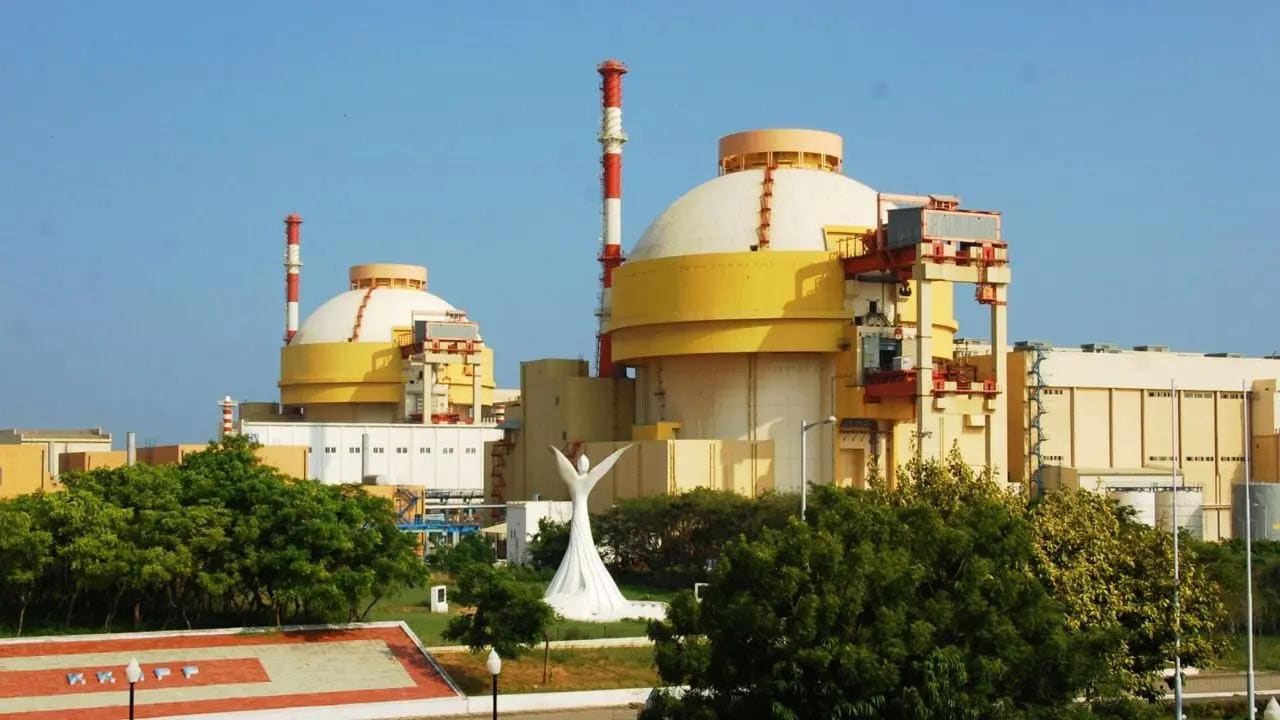
The Nuclear Power Corporation of India (NPCIL) has clarified that a reported data leak at the Kudankulam nuclear plant only affected non-nuclear safety systems and conventional facilities. The leaked documents, prepared by Reliance Infrastructure Ltd., do not compromise the reactor core or nuclear security.
NPCIL Addresses Data Leak Concerns at Kudankulam Nuclear Power Plant
In a swift response to reports of a potential security breach, the Nuclear Power Corporation of India Limited (NPCIL) has issued a critical clarification regarding a data leak associated with the Kudankulam Nuclear Power Plant. The organization has categorically denied that any nuclear systems or reactor core controls were compromised. Instead, NPCIL specified that the leaked information is restricted to conventional plant facilities and non-nuclear safety systems, effectively drawing a sharp line between the plant's administrative/support infrastructure and its critical nuclear operations.
The Role of Third-Party Contractors and Supply Chain Vulnerabilities
A pivotal detail in this incident is the revelation that the leaked documents were prepared by Reliance Infrastructure Ltd., a third-party entity contracted for "common services." This highlights a recurring vulnerability in critical infrastructure management: the supply chain. While the core nuclear systems are typically isolated—often utilizing "air-gapping" to prevent external network access—the administrative and conventional service layers are more frequently integrated with external vendors. The fact that the breach occurred within documents managed by a contractor suggests that the vulnerability lay not in the plant's internal security protocols, but in the data handling practices of a partner organization.
Distinguishing Between Conventional and Nuclear Safety Systems
To understand the gravity of this event, it is essential to distinguish between "conventional plant facilities" and "nuclear security systems." Conventional facilities include the general infrastructure, power distribution for non-critical areas, and auxiliary support systems that do not directly interact with the nuclear fuel or the reactor's cooling and control mechanisms. By confirming that the leak only pertains to these areas and specifically to units still under construction, NPCIL is signaling that the operational integrity of the existing active reactors remains intact. This distinction is vital for maintaining public confidence and preventing panic regarding the safety of one of India's largest energy hubs.
Strategic Importance of the Kudankulam Facility
The Kudankulam Nuclear Power Plant is a cornerstone of India's strategic goal to increase its carbon-free energy capacity. Given its scale and the technology involved, any report of a "data breach" can have geopolitical and domestic ramifications. The sensitivity of nuclear data is paramount, as technical specifications can theoretically be used by adversarial actors to identify structural weaknesses. However, because the leak is confined to non-nuclear safety systems and construction-phase documents, the immediate risk to national security is significantly mitigated, though the incident serves as a wake-up call for stricter data governance.
Broader Implications for Critical Infrastructure Cybersecurity
This incident mirrors a global trend where critical infrastructure is increasingly targeted not through direct attacks on the "core," but through the periphery. From the Colonial Pipeline incident to various attacks on power grids worldwide, the trend shows that attackers often exploit the weakest link—usually a third-party vendor or a non-critical system—to gain a foothold. For India, as it expands its nuclear fleet, the Kudankulam leak underscores the necessity of implementing a "Zero Trust" architecture, where no entity, internal or external, is trusted by default, and every access request to any system (conventional or nuclear) is strictly verified.
Conclusion and Future Outlook
In summary, while the NPCIL has successfully contained the narrative by clarifying that the reactor cores are secure, the leak of documents from Reliance Infrastructure Ltd. reveals a gap in the oversight of contractor data security. Moving forward, it is likely that the Indian government will mandate more rigorous cybersecurity audits for all private firms contracted by the Department of Atomic Energy (DAE). The focus will likely shift toward encrypting all documentation related to plant construction and ensuring that third-party vendors adhere to the same stringent security standards as the nuclear facilities they serve.