NRI shares why returning to India feels like ‘massive headache’: ‘Egos are out of control’
Source Entity
Latest News: Today's Latest News Headlines from India & World | Hindustan Times | Hindustan Times
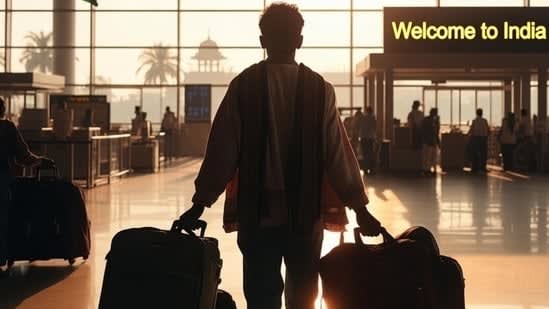
An NRI travelling back to India took to Reddit to share their experience, calling it a ‘massive headache’. The post received mixed reactions.
Analysis of NRI's Experience Returning to India
Social Media as a Mirror for Cultural Friction
This report highlights a recurring modern phenomenon where Non-Resident Indians (NRIs) utilize anonymous platforms like Reddit to voice frustrations and observations upon returning to their home country. By describing the experience as a "massive headache," the individual captures a sentiment often associated with the jarring transition between different societal norms and operational paces. The use of social media to vent these feelings indicates a growing trend of digital discourse surrounding the NRI identity and the perceived disconnect between the diaspora and the mainland.
The Challenge of Reverse Culture Shock
At the core of this narrative is the concept of reverse culture shock. The specific mention that "egos are out of control" suggests a perceived friction in social hierarchies or interpersonal communication styles. When individuals live abroad for extended periods, they often adapt to different cultural expectations regarding humility, professional conduct, and social interaction. Upon returning, the clash between these adopted values and the existing social dynamics in India can lead to significant psychological stress and frustration.
Analyzing the Polarized Public Response
The report notes that the post received "mixed reactions," which is typical for discussions involving the NRI experience. These reactions generally split into two camps: those who empathize with the struggle of reintegrating into a rapidly evolving society, and those who view such complaints as a sign of detachment or a lack of grounding. This polarization reflects a broader societal tension regarding how the Indian diaspora is perceived—ranging from being seen as successful global ambassadors to being viewed as disconnected from the grassroots reality of the country.
Conclusion
While the provided information is anecdotal and based on a single social media post, it serves as a snapshot of the complex emotional landscape navigated by millions of NRIs. The experience described highlights that the "headache" of returning home is often less about physical logistics and more about the emotional and social navigation of a changing cultural identity.
Verification Required?