‘Second chance’: Videos show scandal-hit Jensen Huang getting hero’s welcome at Nvidia
Source Entity
The Indian Express
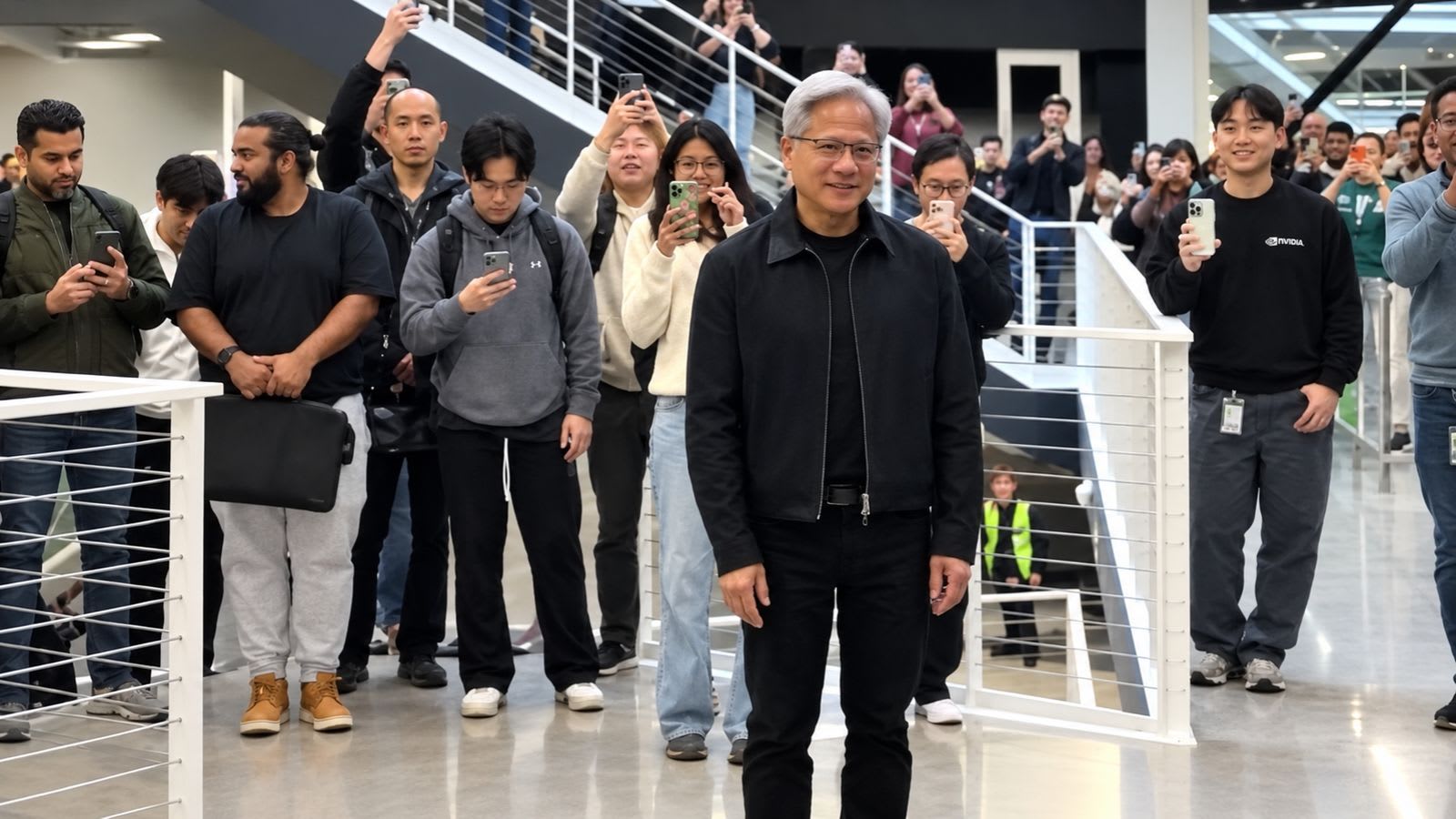
Nvidia has reinstated Jensen Huang as CEO just 11 days after his resignation, sparking bipartisan backlash in Congress. While President Trump and internal staff support the move, lawmakers are demanding investigations into potential national security risks and chip diversion concerns.
The Rapid Reinstatement of Jensen Huang: A Corporate and Political Firestorm
In a move that has sent shockwaves through both the technology sector and the halls of Congress, Nvidia has officially reinstated Jensen Huang as its president and CEO. This development comes just 11 days after Huang’s initial resignation from the artificial intelligence behemoth, a period marked by intense corporate uncertainty and external pressure. The sudden reversal has prompted a swift and sharp reaction from Capitol Hill, where lawmakers from both parties are questioning the company’s internal governance and the broader implications for national security.
Congressional Scrutiny and National Security Concerns
Members of Congress have reacted with profound skepticism, characterizing the decision as a "failure of character" and an "outrageous" development. Lawmakers are particularly concerned that the rapid return of Huang undermines the credibility of the company’s leadership transition. Beyond internal corporate ethics, there is a deep-seated anxiety regarding the potential diversion of Nvidia’s advanced AI chips to China. Legislators are now doubling down on calls for formal investigations, seeking to understand how the company plans to address these strategic risks under Huang’s renewed leadership.
The Role of Executive Intervention
Adding a layer of political complexity to this situation is the active involvement of the Trump administration. President Donald Trump has publicly advocated for Huang’s return, utilizing his Truth Social platform to state that such a move would be beneficial for both Nvidia and the United States. This intervention has created friction with legislative oversight, as members of Congress suggest that the administration’s dismissal of national security risks regarding Huang is premature and potentially misguided. The situation is further complicated by shifting narratives from within the executive branch, including Treasury Secretary Scott Bessent’s evolving stance on the necessity of a "dramatic shake-up" at the firm.
Corporate Culture vs. External Pressure
Internally, the narrative at Nvidia’s Santa Clara headquarters stands in stark contrast to the political climate in Washington. Videos circulating on social media depict a "hero’s welcome" for Huang, with employees cheering and chanting his name. Huang, in an emotional address to his staff, pledged to become a "better CEO the second time around," framing his return as a grateful opportunity for a second chance. This internal support suggests that the board’s decision was heavily influenced by a desire to maintain continuity and employee morale, despite the looming threat of regulatory and legislative inquiry.
Broader Implications and Future Trends
This episode signals a potential shift in how the U.S. government interacts with major technology companies. By inserting itself into the leadership decisions of a private corporation, the administration is blurring the lines between corporate governance and national security policy. Moving forward, we can expect a continued tug-of-war between the administration’s desire to preserve American technological dominance and Congressional efforts to ensure strict export controls and corporate accountability. The saga of Jensen Huang’s return is likely to serve as a litmus test for the future of AI regulation and the extent of political influence over the semiconductor industry.
Multiple Citing Sources