A brief history of Nvidia’s recent stock fluctuations
Source Entity
Ellen Thomas
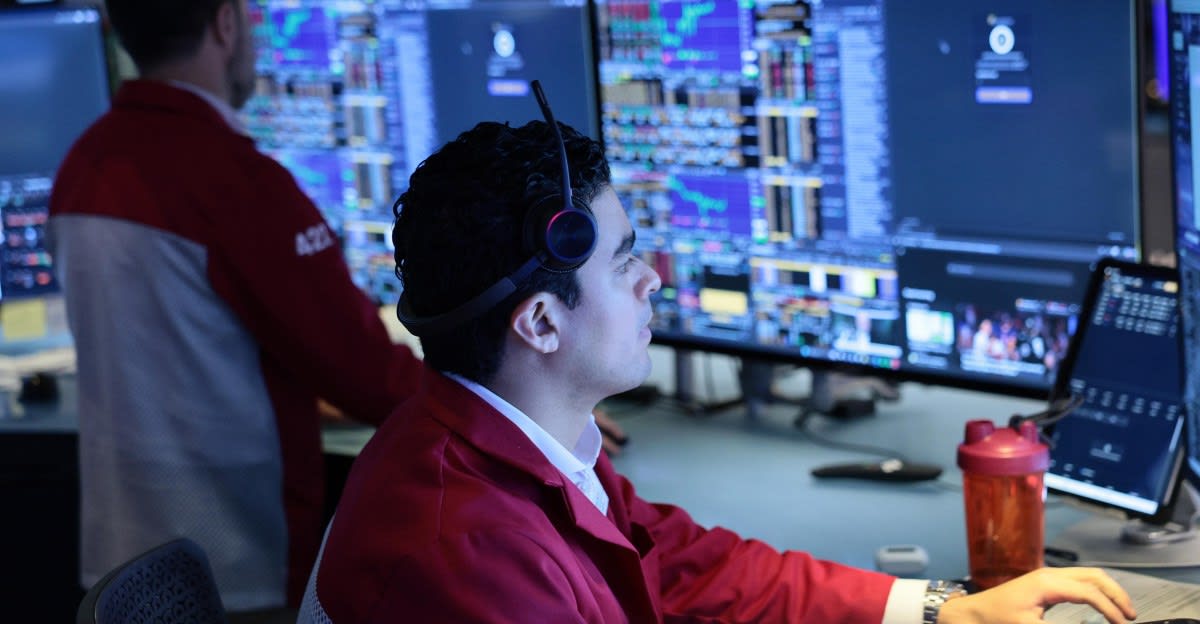
Nvidia faces significant stock volatility, with shares dropping 40% from their October high following a turbulent third-quarter earnings call. Conversely, AI partner Anthropic saw a successful Nasdaq debut, highlighting a shifting landscape in investor confidence toward AI-focused entities.
The Volatility of AI-Driven Markets: A Deep Dive into Nvidia
Nvidia, once the undisputed darling of the artificial intelligence revolution, is currently navigating a period of profound market instability. Following a third-quarter earnings call that failed to soothe investor anxieties, the company witnessed its stock price plummet to approximately $150 per share. This represents a staggering 40 percent decline from the all-time high achieved on October 6th, marking a significant correction for a firm that had previously been the primary engine of the AI hardware boom.
The Failure of Corporate Messaging
During the earnings call, interim CEO Colette Kress attempted to project confidence with the phrase, "We've got this." However, the market’s immediate reaction—which saw a brief post-earnings pop quickly erased by Thursday’s trading—suggests that investors are no longer satisfied with optimistic rhetoric. The disconnect between executive reassurance and market performance signals a growing skepticism regarding the sustainability of current growth trajectories in the chip sector.
Analyzing the Market Divergence
While Nvidia struggles, the broader AI ecosystem continues to attract capital, albeit in different directions. The contrast between Nvidia's decline and the successful Nasdaq debut of Anthropic is particularly striking. Anthropic opened at $111.50 per share, outperforming expectations by 34 percent. This divergence suggests that while investors are punishing hardware manufacturers for failing to meet high-growth expectations, they remain eager to bet on the next generation of AI application providers.
Broader Implications for the Tech Sector
This shift in market sentiment reflects a maturation phase for the AI industry. Investors are moving away from the "blind growth" phase, where any company associated with AI hardware saw inflated valuations, and toward a more discerning model based on concrete performance metrics. Nvidia’s current volatility is a byproduct of this transition; the company is being held to an exceptionally high standard that leaves little room for operational error.
Historical Context and Future Trends
Historically, the semiconductor industry has been subject to cyclical booms and busts. Nvidia’s recent performance is a reminder that even dominant players in a transformative technology cycle are not immune to market corrections. Looking ahead, the company’s ability to stabilize its stock will depend on its capacity to sustain demand for its high-end chips amidst increasing competition and a cooling enthusiasm for excessive capital expenditure on data center infrastructure.
Conclusive Summary
In summary, Nvidia’s current financial turbulence serves as a barometer for the broader AI market. By failing to meet the market's aggressive expectations, the company has seen its valuation significantly eroded. As the industry pivots toward companies like Anthropic, Nvidia must prove that its underlying business model remains robust enough to withstand the scrutiny of a market that is increasingly prioritizing tangible results over future-looking projections.