Oil prices climb ahead of potential US-Iran talks
Source Entity
Yahoo Finance
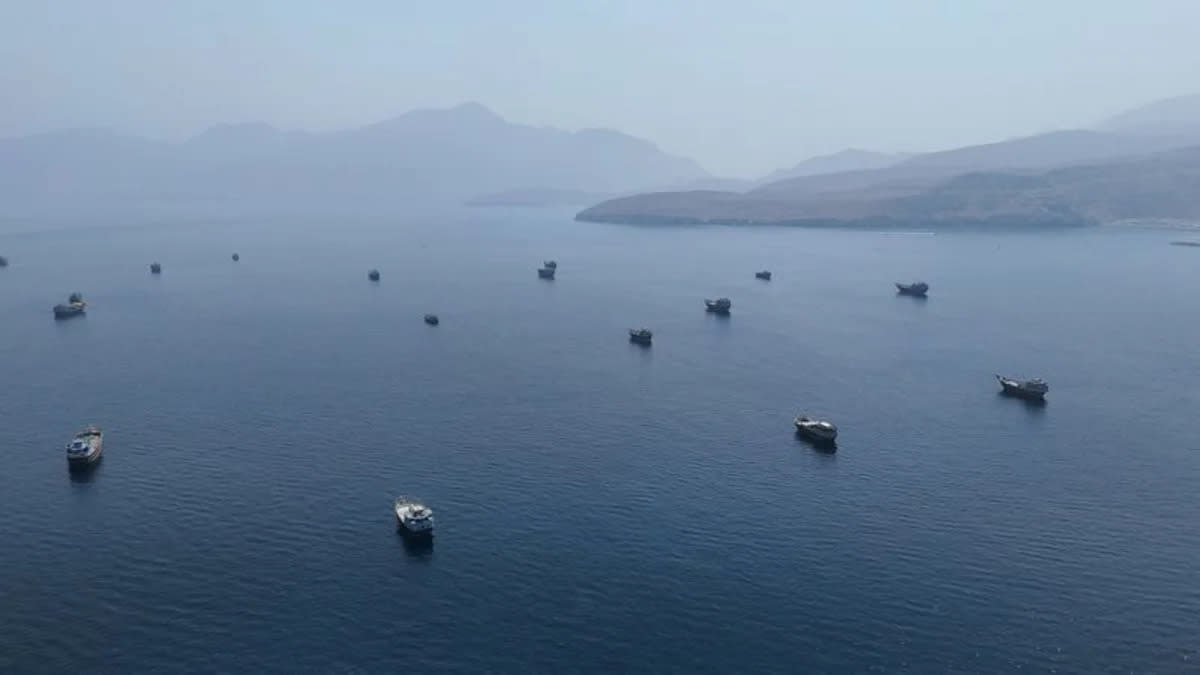
Oil prices rebounded following four days of decline as markets react to potential high-stakes diplomatic talks between the US and Iran at the UN General Assembly. Investors remain cautious, balancing geopolitical tensions against recent supply increases through the Strait of Hormuz.
Market Rebound Amid Geopolitical Uncertainty
Oil prices witnessed a notable recovery on Tuesday, halting a four-session slide that had weighed heavily on energy markets. Brent crude futures for November delivery climbed 1.29% to reach $101.63 per barrel, while the West Texas Intermediate (WTI) October contract saw a 0.96% increase to $96.70. This upward momentum reflects a market attempting to price in the complex interplay between supply-side realities and high-stakes international diplomacy.
The Diplomatic Catalyst
The primary driver for this market volatility is the anticipation surrounding potential diplomatic engagements at the United Nations General Assembly in New York. With both Washington and Tehran exchanging rhetoric, President Donald Trump’s stated openness to meeting Iranian President Masoud Pezeshkian has introduced a new variable into energy trading. Markets are closely monitoring these developments, as any thaw in US-Iran relations could theoretically lead to a shift in sanctions policy and, by extension, global oil supply dynamics.
Supply Chain Pressures and the Strait of Hormuz
The price recovery occurs against a backdrop of recent supply fluctuations. Over the preceding weekend, reports indicated an increase in oil supplies moving through the Strait of Hormuz, a critical maritime chokepoint for global energy transit. While the market has historically treated any increase in flow through the Strait as a bearish signal, the immediate price reaction suggests that the geopolitical uncertainty surrounding the UN General Assembly currently holds more weight for traders than the immediate supply surplus.
Analyzing Market Volatility
Energy markets are inherently sensitive to the intersection of physical supply and political instability. The four-day decline leading up to this rally suggests that the market was previously oversold or overly pessimistic. By rebounding, investors are signaling a 'wait-and-see' approach, hedging against the possibility that the diplomatic meetings in New York could either escalate regional tensions or provide a pathway toward stabilization.
Broader Economic Implications
The fluctuation in Brent and WTI prices underscores the vulnerability of the global energy supply chain to regional conflicts. As the WTI October contract nears its expiration, traders are shifting focus to the more actively traded November contract, which also saw gains, indicating a sustained interest in maintaining long positions despite the recent instability. The ongoing dialogue between the US and Iran will likely continue to dictate the short-term trajectory of oil prices as the international community watches the UN proceedings.
Future Outlook
Looking ahead, the energy sector is likely to remain in a state of flux until the outcome of the UN General Assembly discussions becomes clearer. If the anticipated meetings lead to substantive dialogue, we may see a dampening of the risk premium currently baked into oil prices. Conversely, a failure to engage or a further escalation in rhetoric could trigger renewed volatility, keeping prices elevated as traders adjust to the evolving geopolitical risk landscape.