Black Tesla employees accuse company of fostering racial discrimination in major trial
Source Entity
Dara Kerr in Oakland, California
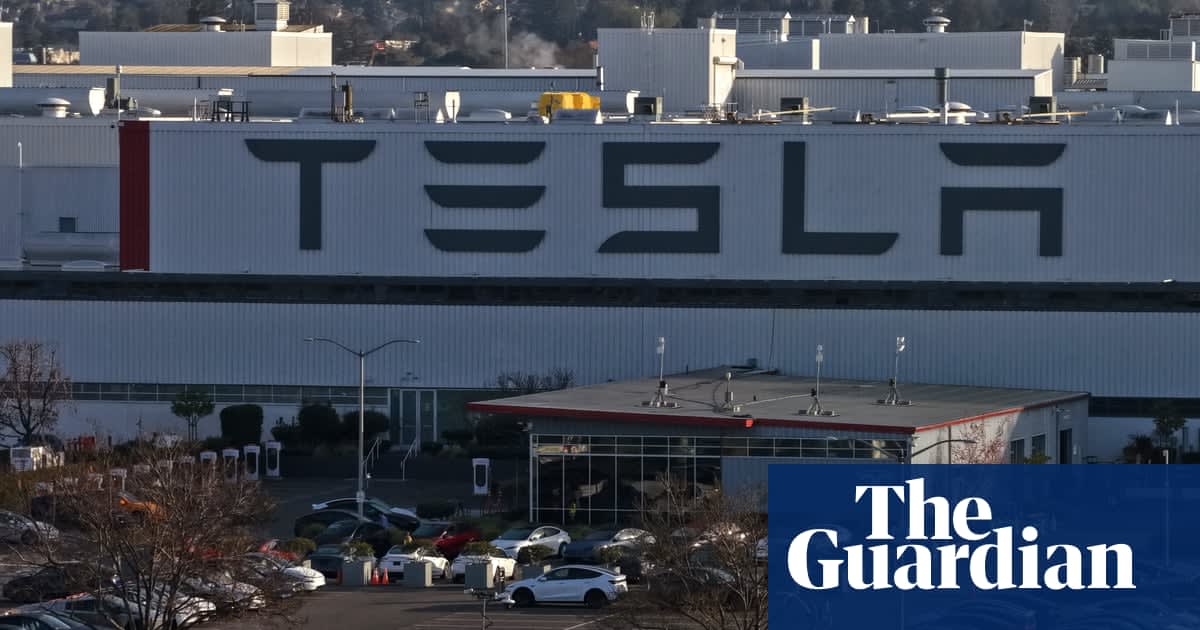
Tesla is facing a significant trial in California following allegations from dozens of Black employees regarding systemic racial discrimination. The lawsuit highlights claims of a hostile work environment, including racist graffiti, slurs, and inequitable treatment.
Systemic Allegations at Tesla’s Fremont Facility
A major legal confrontation has begun in California as the state’s Civil Rights Department brings a landmark lawsuit against Tesla, the electric vehicle giant led by Elon Musk. The trial, which commenced with opening statements this past Monday, centers on allegations that Black employees at the company’s flagship Fremont factory were subjected to a pervasive culture of racial hostility, unequal pay, and discriminatory promotion practices.
The Evidence of a Hostile Work Environment
During opening statements, lawyer Brett Watson, representing the California Civil Rights Department, presented harrowing visual evidence of the conditions reported by workers. Photographs taken within the factory walls revealed instances of the N-word, swastikas, the Confederate flag, and white supremacist symbols, such as the 'KKK' acronym, scrawled on metal surfaces and walls. These markings, combined with reports of supervisors engaging in bullying and the use of racial slurs, paint a picture of a workplace environment that allegedly failed to protect its minority staff.
Corporate Responsibility and Management Failures
Central to the plaintiffs' case is the assertion that Tesla management was largely unresponsive to these repeated complaints. The lawsuit argues that despite the daily nature of the harassment, the company did little to nothing to rectify the situation or foster an inclusive environment. This failure to act, if proven in court, could set a significant precedent regarding corporate accountability for workplace culture, particularly in high-pressure manufacturing environments where rapid production targets often take precedence over human resource oversight.
Broader Implications for the Tech and Auto Sectors
This trial serves as a flashpoint for the broader technology and automotive industries, which have long faced scrutiny over diversity, equity, and inclusion (DEI). As Tesla continues to scale its global operations, the outcome of this case will likely force a industry-wide reckoning regarding how large corporations handle internal reports of racial discrimination. The legal proceedings highlight the tension between rapid industrial growth and the fundamental rights of employees to a safe and respectful workspace.
Historical Context and Legal Precedent
The California Civil Rights Department’s involvement underscores the state's aggressive stance on labor protections and civil rights in the workplace. By taking a high-profile company like Tesla to trial, the state is signaling that industrial success does not grant immunity from anti-discrimination laws. Historically, such cases have served as catalysts for mandatory corporate policy shifts, increased sensitivity training, and more rigorous oversight of management practices.
Future Trends and Potential Outcomes
Looking forward, the verdict in this trial could influence future employment litigation across the United States. If the court finds in favor of the employees, Tesla may be forced to implement court-monitored changes to its factory floor culture. Conversely, the case will likely inspire other employees in the manufacturing sector to come forward with their own experiences, potentially leading to a wave of similar litigation. Regardless of the outcome, the trial has already succeeded in bringing the dark realities of workplace discrimination at one of the world's most valuable companies into the public spotlight.