Oil hits four-week high as US-Iran conflict escalates
Source Entity
Yahoo Finance
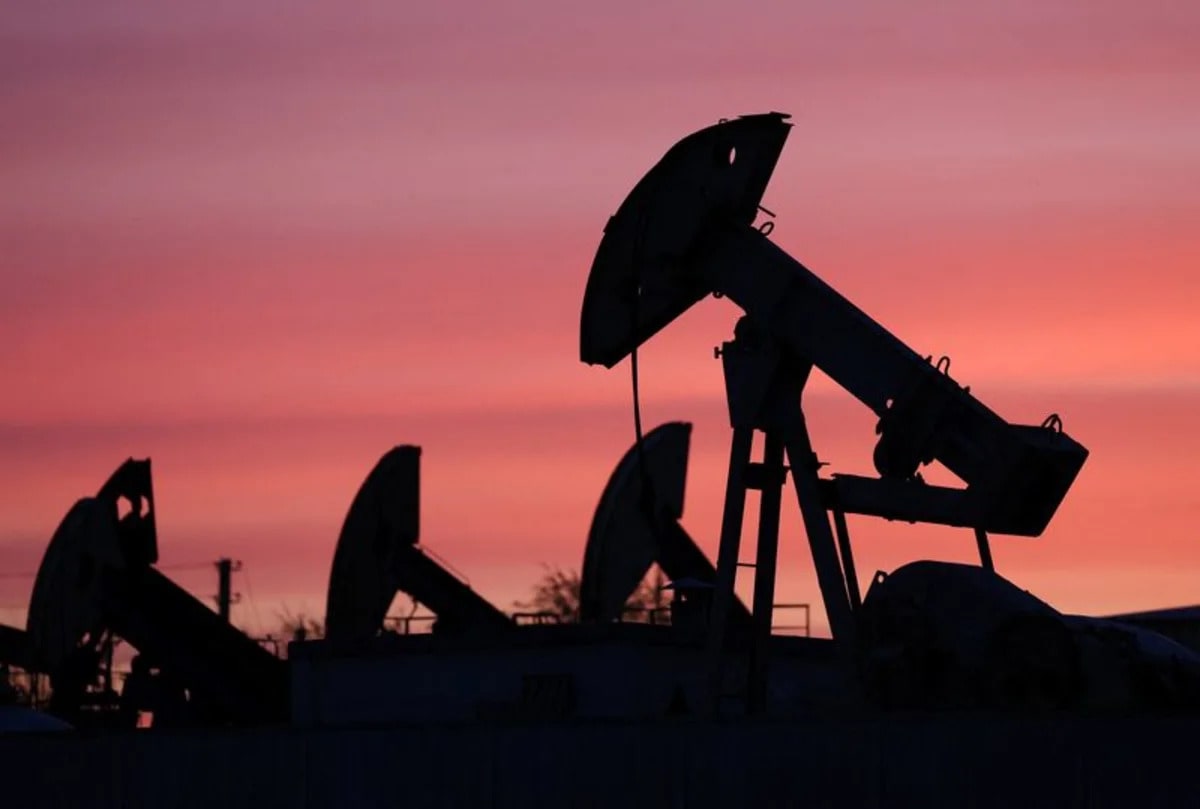
By Anushree Mukherjee July 14 (Reuters) - Oil prices rose on Tuesday to their highest in four weeks, as the U.S. reimposed a naval blockade of Iran and renewed attacks between Washington and Tehran h...
Market Volatility Amid Geopolitical Escalation
The global energy market has reacted sharply to the intensifying conflict between the United States and Iran, with oil prices climbing to their highest levels in four weeks. According to reports from Reuters, the primary catalyst for this price surge is the U.S. decision to reimpose a naval blockade on Iran. In the world of commodity trading, oil is not merely a raw material but a geopolitical barometer; any threat to the stability of major producing regions almost instantaneously translates into higher prices as traders hedge against potential supply shortages.
The Strategic Impact of Naval Blockades
A naval blockade is one of the most aggressive tools of economic warfare, designed to stifle a nation's ability to export its primary revenue source. By restricting Iranian oil exports, the U.S. aims to exert "maximum pressure" on the Iranian government. However, the market's reaction is rarely limited to the volume of oil lost from a single country. The mere presence of increased naval activity and the threat of kinetic conflict in the Persian Gulf—specifically near the Strait of Hormuz—creates a "risk premium." Because such a significant portion of the world's seaborne oil passes through this narrow chokepoint, any escalation in the US-Iran conflict threatens the global supply chain at large.
Economic Ripples and Global Inflation
The rise in crude oil prices has implications that extend far beyond the energy sector. Because oil is a foundational input for transportation and petrochemicals, a sustained increase in prices typically leads to higher costs for shipping and logistics. This often triggers a ripple effect across the global economy, contributing to inflationary pressures on consumer goods and food prices. For nations heavily dependent on energy imports, the escalation between Washington and Tehran could lead to widened trade deficits and increased pressure on domestic currencies, making the geopolitical stability of the Middle East a critical concern for global central banks.
Historical Context of Energy Weaponization
This current escalation is part of a long-standing historical pattern where energy resources are weaponized or used as leverage in diplomatic disputes. From the oil shocks of the 1970s to more recent sanctions regimes, the intersection of oil and diplomacy has frequently led to market instability. The current cycle of "renewed attacks" mentioned in the reports suggests a breakdown in diplomatic channels, pushing both superpowers toward a strategy of attrition. This historical volatility underscores why markets are so reactive to news of blockades; the precedent for sudden, drastic supply cuts is well-established in the annals of 20th and 21st-century geopolitics.
Future Outlook and Market Predictions
Looking ahead, the trajectory of oil prices will likely depend on whether the naval blockade leads to a total cessation of Iranian exports or if it remains a targeted pressure tactic. If the conflict escalates into direct military engagements, we could see a parabolic spike in prices as insurance premiums for tankers in the Gulf skyrocket. Conversely, any signal of a diplomatic off-ramp or a negotiated settlement would likely lead to a rapid correction in prices. Market analysts will be closely monitoring OPEC+ responses, as the group may decide to increase production to stabilize prices and prevent a global economic slowdown caused by energy shocks.
Conclusion
In summary, the recent spike in oil prices is a direct manifestation of the heightened security risks associated with the US-Iran conflict. The reimposition of a naval blockade has introduced significant uncertainty into the energy market, reminding global stakeholders of the fragility of oil supply chains. While the immediate impact is seen in the four-week price high, the long-term consequences will depend on the balance between military escalation and diplomatic resolution in one of the world's most volatile regions.