Oil's roundtrip back to $100. Why China could determine what happens next
Source Entity
US Top News and Analysis
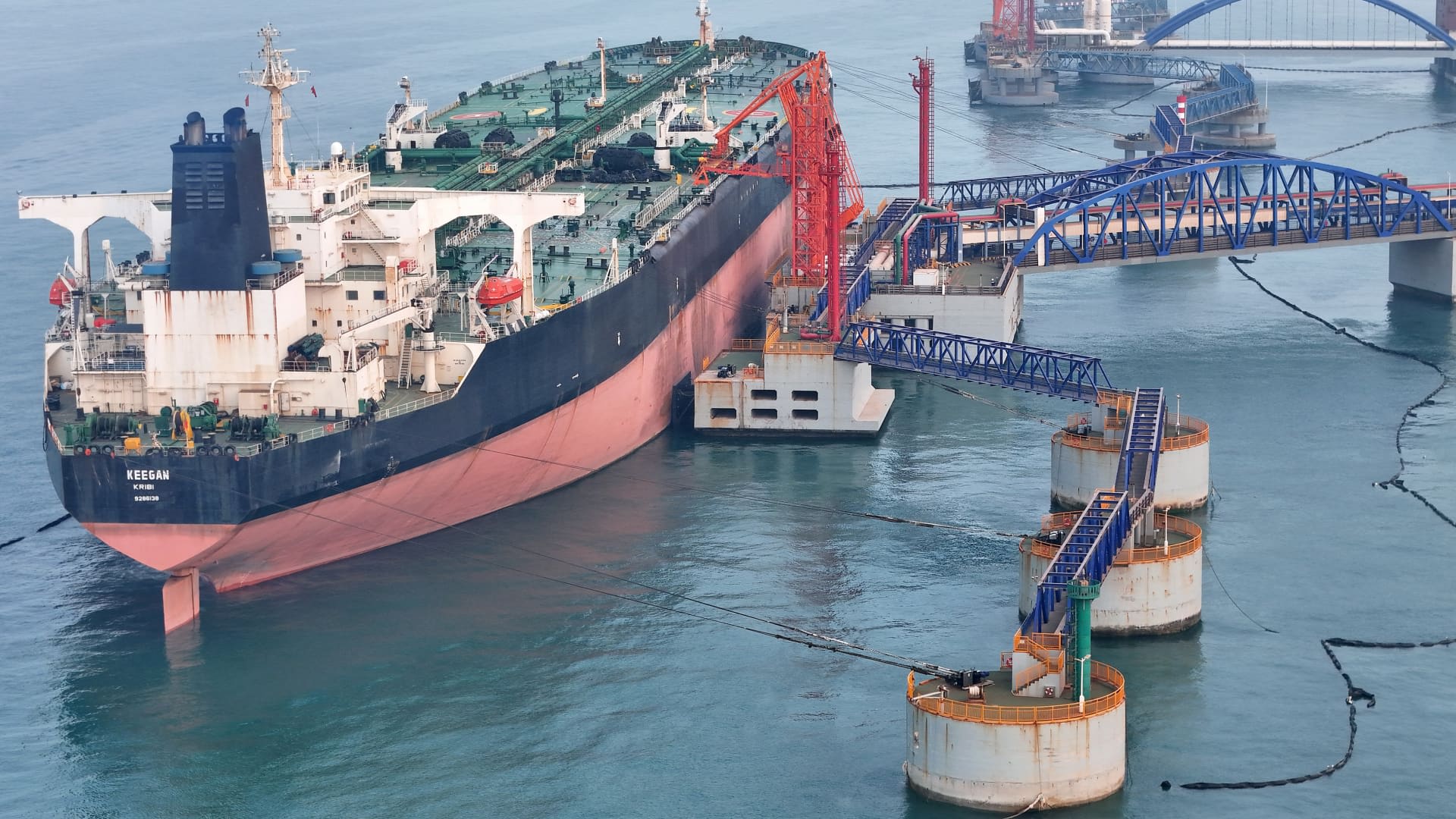
Oil prices have surged past $102 per barrel following escalating Middle East tensions and the collapse of key diplomatic agreements. China's economic trajectory will now be the critical factor in determining if prices sustain this rally or approach record highs.
The Return to $100: Oil Market Volatility Explained
The global energy landscape is currently navigating a period of intense volatility, marked by the U.S. crude oil price breaching the $102 per barrel threshold—the highest closing level seen since May. This dramatic climb represents a staggering 50% recovery from the summer lows of $68.55, a period that now seems like a distant memory of market stability. The current price action is not merely a technical movement but a reflection of a fundamental shift in geopolitical risk.
The Geopolitical Catalyst
The primary driver of this rally is the rapid escalation of conflict in the Middle East. The recent shutdown of Saudi Arabia’s critical East-West oil pipeline, following multiple direct attacks, has sent shockwaves through energy markets. This infrastructure is a vital artery for global supply, and its disruption forces traders to price in significant supply chain vulnerabilities. When combined with the collapse of the June 17 memorandum of understanding between Washington and Tehran, the market has been forced to re-evaluate its risk profile.
The Iran Factor and the Naval Blockade
Market experts like Bob McNally of Rapidan Energy have noted that the reimposition of the U.S. naval blockade of Iran in July served as a definitive turning point. The collapse of the diplomatic framework removed the hope for increased Iranian supply, effectively ending the period of relative price suppression. As the risk premium is aggressively restored, the market is no longer pricing for peace but for a sustained, high-tension environment that threatens to disrupt maritime trade routes.
China: The Global Economic Variable
While supply-side shocks provide the fuel for this rally, demand-side dynamics will determine its ceiling. China remains the world’s largest importer of crude oil, and its industrial output and consumer demand are the primary variables in the current equation. If the Chinese economy demonstrates resilience and continues to expand, the demand for energy will likely push prices higher, potentially testing wartime historical highs. Conversely, any cooling in Chinese economic activity could act as a structural cap on this rally.
Future Trends and Market Outlook
Looking ahead, the market is bracing for a tug-of-war between supply constraints and macroeconomic headwinds. The failure of the June MOU has created a vacuum of predictability, leaving traders to rely on real-time news regarding pipeline security and naval movements. Investors should anticipate continued high-frequency trading and sensitivity to any diplomatic signals emerging from the Middle East. The transition from $100 per barrel to higher levels will depend heavily on whether global markets can absorb these supply disruptions without triggering a broader demand-side collapse in major industrial hubs like China.