This maneuver is boosting oil shipments through the Strait of Hormuz
Source Entity
Claudia Assis
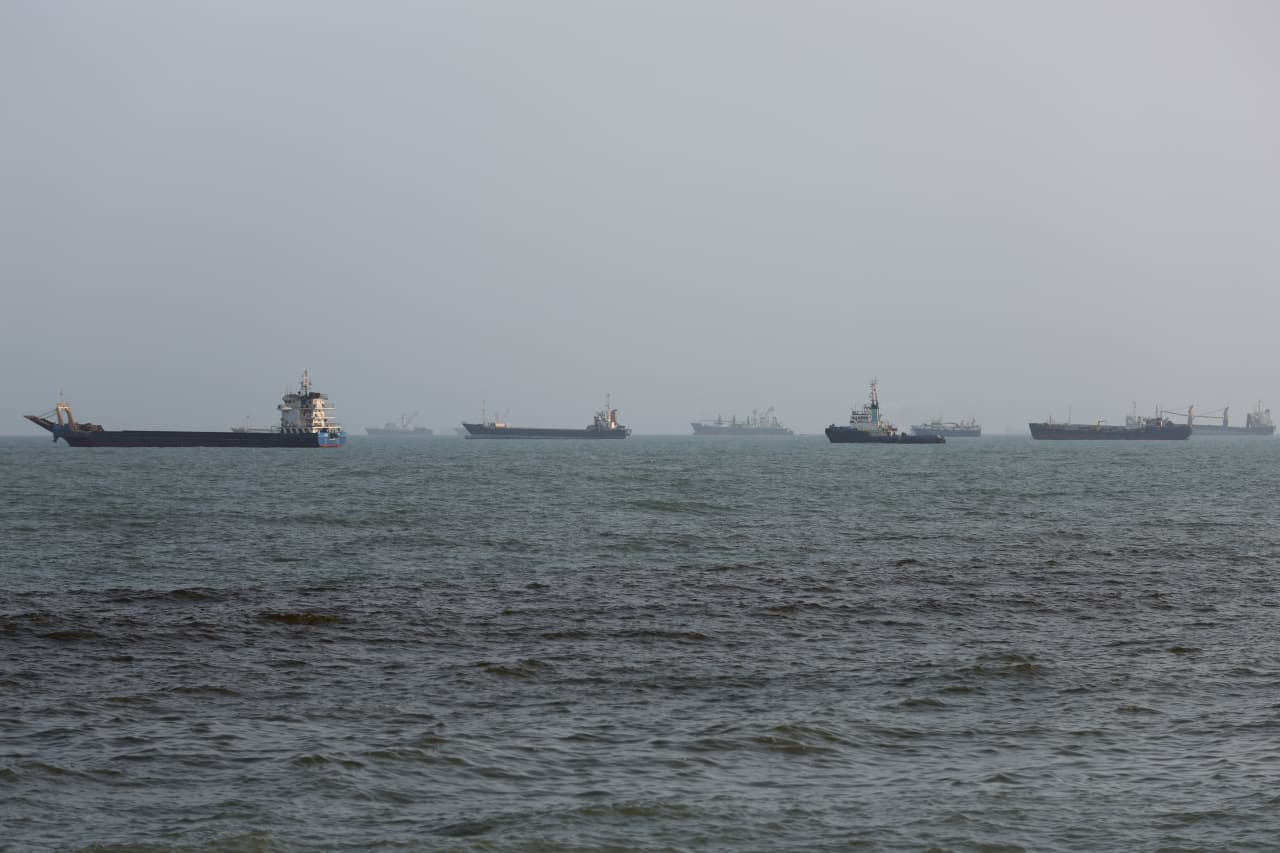
Middle East oil producers are successfully navigating regional tensions to maintain consistent energy exports. By bypassing Iranian threats in the Strait of Hormuz, these nations are ensuring global market supply stability.
Strategic Maneuvers in the Strait of Hormuz
Recent reports indicate that Middle East oil producers are actively developing and implementing new logistical strategies to bypass security threats linked to the Strait of Hormuz. As one of the world's most critical maritime chokepoints, the Strait serves as a vital artery for global energy markets, and any disruption—whether through direct conflict or geopolitical posturing—threatens the stability of international oil prices.
The Geopolitical Context
The Strait of Hormuz has long been a focal point of regional tension, with Iran frequently leveraging its geographic proximity to threaten the flow of maritime traffic. Producers in the region have historically been vulnerable to these threats, as a significant portion of their exports must pass through this narrow passage. The current shift in strategy suggests a coordinated effort to insulate global supply chains from regional volatility by diversifying export routes and hardening logistics against potential blockades.
Operational Resilience
To counter these threats, producers are increasingly utilizing alternative infrastructure and maritime maneuvers that reduce dependence on the Strait's most vulnerable sectors. This involves not only the utilization of existing bypass pipelines but also the deployment of advanced monitoring and escort protocols. These measures are designed to ensure that even in a climate of heightened regional instability, the volume of crude oil reaching global markets remains consistent.
Economic Implications
The ability of Middle East producers to successfully evade interference is critical for global economic health. By maintaining the flow of oil, these producers prevent the sharp price spikes that typically follow regional maritime disruptions. This stability is essential for energy-importing nations, particularly in Asia and Europe, which rely heavily on the consistent arrival of tankers from the Persian Gulf.
Future Trends in Energy Security
Looking ahead, it is likely that the focus on 'evasion maneuvers' will lead to further investment in regional pipeline infrastructure that avoids the Strait entirely. Producers are moving toward a model of 'strategic autonomy,' where the physical security of their exports is no longer held hostage by the geographic bottleneck of the Strait. This evolution will likely redefine the risk assessment models used by global energy markets for years to come.
Conclusion
The adaptability shown by Middle East oil producers highlights a significant shift in regional energy security. By prioritizing the continuity of shipments over passive reliance on traditional maritime routes, these nations are successfully neutralizing potential threats. This proactive posture remains a cornerstone of global energy supply chain resilience in an increasingly unpredictable geopolitical environment.
Verification Required?