Oil Tanker On Fire After Being Hit By "Unknown Projectile" In Hormuz Strait
Source Entity
NDTV News Search Records Found 1000
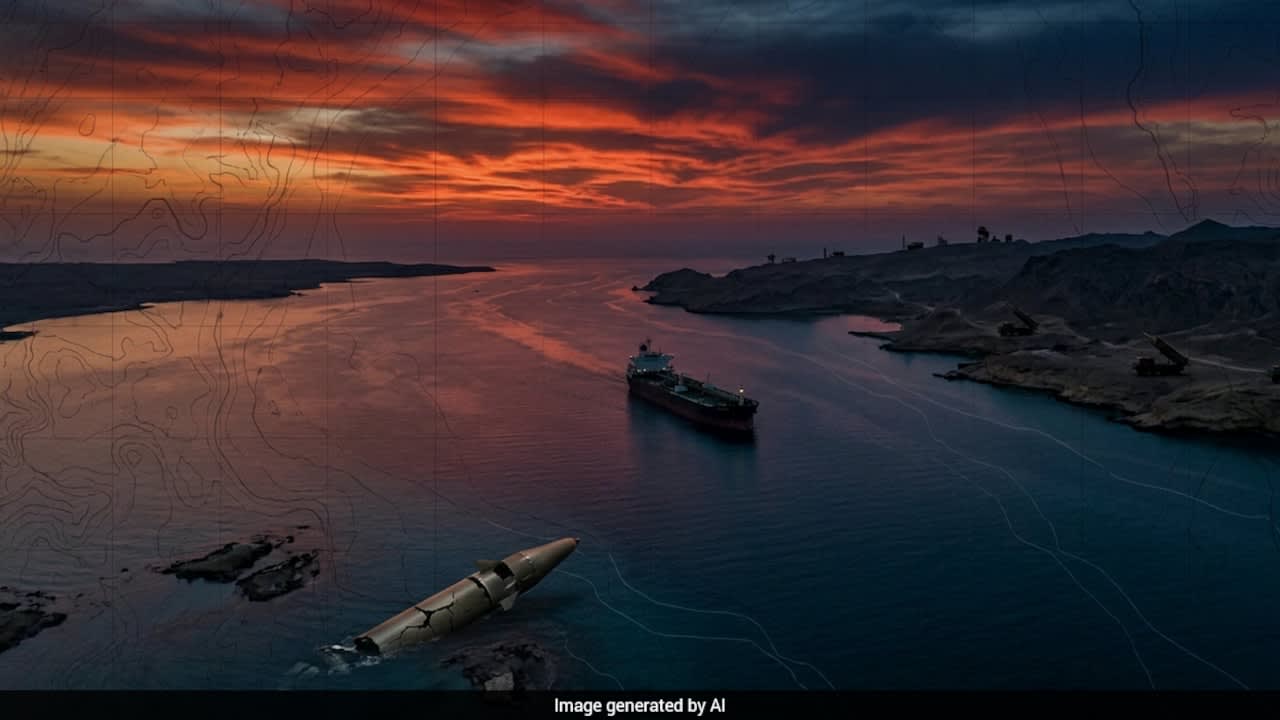
An oil tanker was struck by an unknown projectile in the Strait of Hormuz, prompting Iran to heavily restrict maritime traffic. This incident raises significant concerns regarding regional stability and the security of global energy supply chains.
Maritime Security Crisis in the Strait of Hormuz
The Incident and Immediate Impact
Recent reports confirm that an oil tanker has been struck by an "unknown projectile" while transiting the critical Strait of Hormuz. This event marks a dangerous escalation in one of the world’s most vital maritime chokepoints. In response to the attack, Iranian authorities have moved to heavily restrict traffic through the strait, creating an immediate bottleneck for international shipping and energy logistics.
Strategic Importance of the Strait
The Strait of Hormuz serves as the primary artery for global oil markets, with a significant percentage of the world’s daily petroleum consumption passing through its narrow waters. Any disruption, whether through direct military action or administrative restriction, poses an existential threat to global energy stability. The current restriction of traffic by Iranian forces highlights how quickly localized violence can transform into a systemic economic crisis.
Escalation and Regional Tensions
This incident does not occur in a vacuum; it follows a long history of maritime friction within the Persian Gulf. The use of an unidentified projectile suggests a sophisticated level of threat, moving beyond mere posturing to active kinetic engagement. By restricting traffic, Iran is exerting its leverage over regional maritime corridors, a move that is likely to invite intense scrutiny and potential countermeasures from global naval powers tasked with maintaining freedom of navigation.
Global Economic Implications
For global markets, the immediate aftermath involves rising insurance premiums for tankers and potential delays in crude delivery. If the restriction of traffic persists, the volatility in oil futures will likely increase, placing inflationary pressure on global economies already grappling with energy supply uncertainties. The uncertainty surrounding the identity of the projectile further complicates the diplomatic landscape, as international actors struggle to assign responsibility and formulate a measured response.
Future Trends and Security Outlook
Looking ahead, this event underscores the vulnerability of maritime trade to asymmetric warfare. The ability of a single projectile to necessitate the shutdown of a major shipping lane suggests that future security frameworks will need to prioritize enhanced surveillance and rapid-response capabilities. As nations assess the security of their energy imports, we can expect increased military presence in the region and a renewed focus on diversifying global energy transit routes to mitigate the risks posed by such volatile chokepoints.
Verification Required?